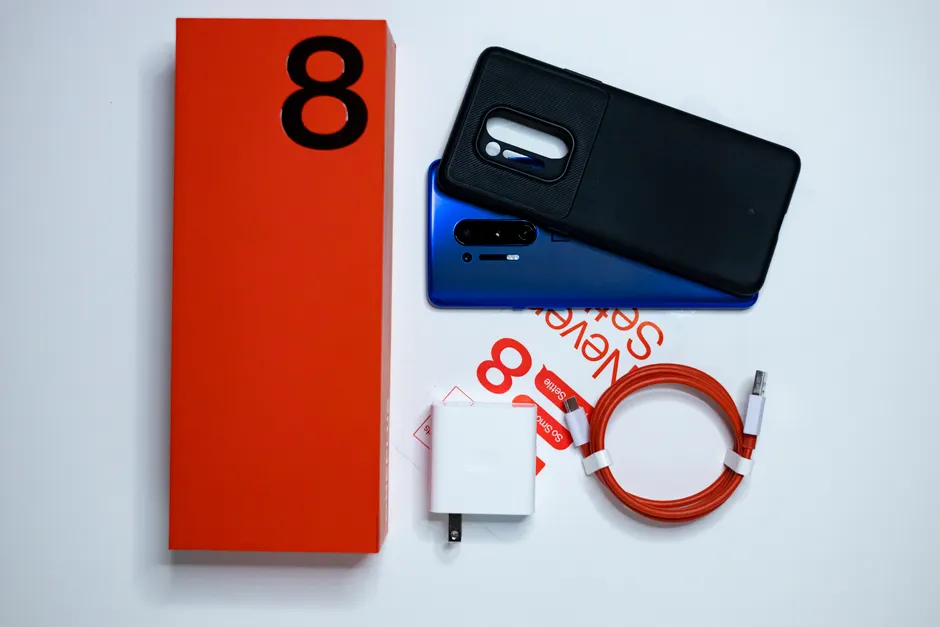
OnePlus Pulls Out of US, Europe, and Eventually All Markets Outside China
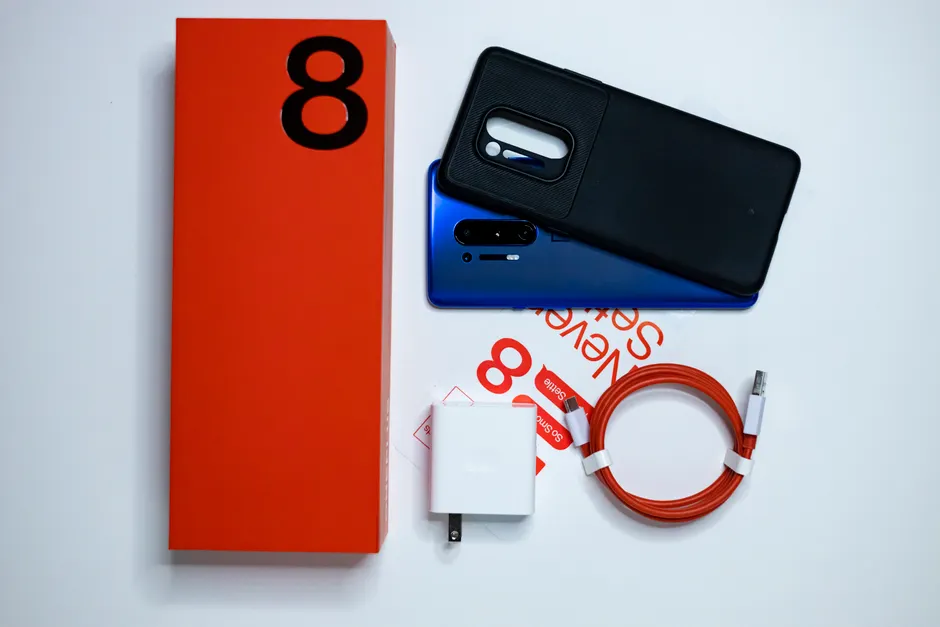
OnePlus confirmed on July 16, 2026 that it is withdrawing from the US and European markets and will no longer launch new products in either region. Parent company Oppo stated it will honor existing support and warranty agreements for OnePlus devices in both markets, though specifics for the US remain unresolved given that Oppo itself will have no direct presence there. (The Verge)
The withdrawal extends further than the West. According to Bloomberg reporting cited by The Verge, OnePlus will leave India and every other remaining market outside China by next year. Oppo PR representative Nicole Okpokiri confirmed that OnePlus's product roadmap within China remains unchanged. Elvis Zhou, CEO of Oppo Europe, repeatedly declined to specify which markets OnePlus continues to operate in beyond China.
Oppo, by contrast, will continue selling phones and other products in Europe. Its next flagship line will be the Find X10 series. The company's sub-brand Realme is also undergoing a geographic realignment: Realme will no longer launch new products in China and will concentrate on overseas markets instead. The net effect is a reshuffling of Oppo's brand portfolio, with OnePlus retreating to China while Realme pivots outward.
OnePlus characterized the changes as a "proactive global strategy adjustment" in an official community announcement, which stated the company will "conclude new product rollouts in Europe and North America." (OnePlus Community) Oppo's senior PR manager in Europe, James Paterson, and CEO Elvis Zhou are the named corporate voices behind the transition.
For existing OnePlus device owners, the software transition is immediate. OnePlus devices will move from OxygenOS to Oppo's ColorOS for future updates. Both are custom interfaces built on top of Android, but they differ significantly in design and feel. OxygenOS built a following among enthusiasts for its clean, near-stock Android experience and fast updates. ColorOS, while capable, carries different design conventions and has historically been tuned for Chinese-market expectations. Users will have the option to roll back to OxygenOS, but doing so means forfeiting all future updates. This is a consequential trade-off: users who reject ColorOS effectively freeze their devices at the current OxygenOS version indefinitely.
Oppo's commitment to honoring warranties in the US is complicated by the fact that Oppo has no retail or corporate footprint there. The company would not confirm how it intends to service devices, handle returns, or provide ongoing technical support in a market where it maintains no physical presence. Elvis Zhou would not elaborate on the operational mechanics of US warranty fulfillment.
The human cost is real but lightly detailed. Zhou confirmed that job losses tied to OnePlus's contraction were handled "in full accordance with relevant laws and regulations." Some OnePlus employees were offered the choice to move to positions within Oppo. Zhou declined to comment on how many were offered that option or how many departed.
OnePlus is still preparing the release of its next flagship phone, the OnePlus 16. Whether that device will launch outside China is unclear. Given the scope of the withdrawal, a China-only release for the OnePlus 16 appears plausible, but no official confirmation has been given either way.
The broader context here is a portfolio consolidation that mirrors patterns seen across consumer electronics conglomerates managing multiple brands. Oppo now has OnePlus contracting inward toward China, Realme pushing outward toward international markets, and Oppo itself maintaining a European footprint. This is not an exit from the global stage; it is a repositioning of which brand carries which territory. The question is whether consolidation enables focus or simply removes optionality from consumers who benefited from brand differentiation.
OnePlus built its early identity on direct-to-consumer sales, community engagement, and enthusiast-spec'd hardware at aggressive prices. The community forum announcement, sourced from OnePlus's own site, is the company's chosen channel for communicating a market exit to its user base. That is a quiet end for a brand that once framed itself as a challenger built by and for its community.
The software rollback option, the warranty commitment without confirmed US logistics, and the unclear launch footprint of the OnePlus 16 are all live variables. For technology professionals who specified, deployed, or recommended OnePlus devices in bring-your-own-device contexts, the practical question is straightforward: assess the ColorOS migration timeline, evaluate whether rollback is viable for your fleet, and factor the warranty support uncertainty into any remaining device lifecycle planning. In my view, the OxygenOS-to-ColorOS transition is the most immediately tangible issue for the installed base. Users who chose OnePlus devices specifically for the software experience now face a platform swap they did not opt into, with rollback as a dead-end alternative. The US warranty gap is the second unresolved problem. A commitment to "honor" warranties is only as meaningful as the logistics behind it. Without a US presence, Oppo will need to rely on third-party repair networks, mail-in programs, or some arrangement not yet disclosed. For owners of OnePlus devices still under warranty, the specifics matter, and they are currently absent.