Democrats Plan Investigations and AI Legislation Aimed at Big Tech

Democrats are preparing a wave of investigations into the actions of America's largest corporations over the past two years, according to The Washington Post. Technology and financial firms are at the center of the effort.
Democratic lawmakers are preparing congressional investigations into Apple, Meta, and Elon Musk's SpaceX Super Intelligence, according to Mashable and Yahoo News. The Yahoo report notes that SpaceX Super Intelligence was formerly known as xAI. The three companies span consumer hardware, social platforms, and frontier model development, the largest and most capable AI systems, which is a broad set of exposures for a single inquiry.
Silicon Valley and Wall Street executives who courted the Trump administration are bracing for the investigations, which the Post describes as a reckoning. The executives in question come from two sectors that rarely share a regulatory agenda, and the Post's framing suggests the inquiries will reach across both.
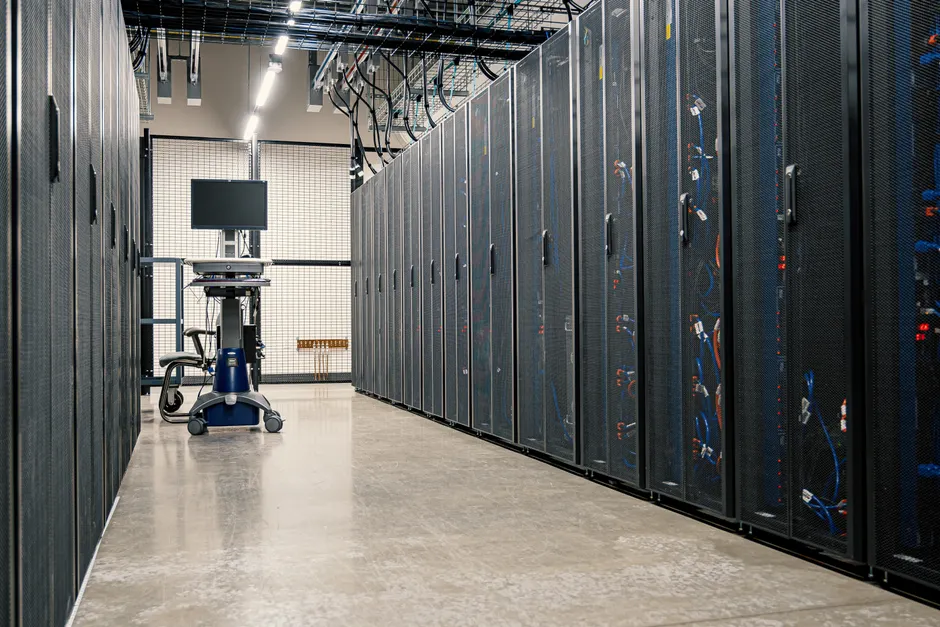
On the legislative side, Reuters reports that Democrats are planning a flood of new legislation targeting artificial intelligence systems and data-center development. That legislation is planned for when Democrats take control of Congress.
The two tracks operate on different clocks. An investigation looks backward, asking what a company did and what it knew during a defined period. Legislation looks forward, defining what can be built, trained, deployed, or powered. Both are aimed at areas engineering teams work in every day, from model training pipelines, the workflows that feed data into a model so it learns, to the power and cooling capacity behind AI workloads.
In my view, the distinction matters most for the people who build and operate these systems. A subpoena produces a record and a set of findings. A statute changes the design constraints, compliance overhead, and procurement criteria that follow. Companies can respond to the first with document production and testimony. The second typically requires architectural and operational change, often with a lead time measured in quarters rather than weeks.
The broader context here is that both tracks remain at the planning stage. Readers should weigh the scope of what is planned against what has actually been filed.
There is also a constructive reading. Clear rules for AI systems and data-center development, if they arrive in workable form, could give infrastructure planners and enterprise buyers firmer ground for long-range decisions than the current patchwork of expectations offers. Whether the eventual legislation delivers that clarity will depend on the specifics.