The UK's Voluntary Social Media Curfew for 16- and 17-Year-Olds: What It Does and Where It Falls Short
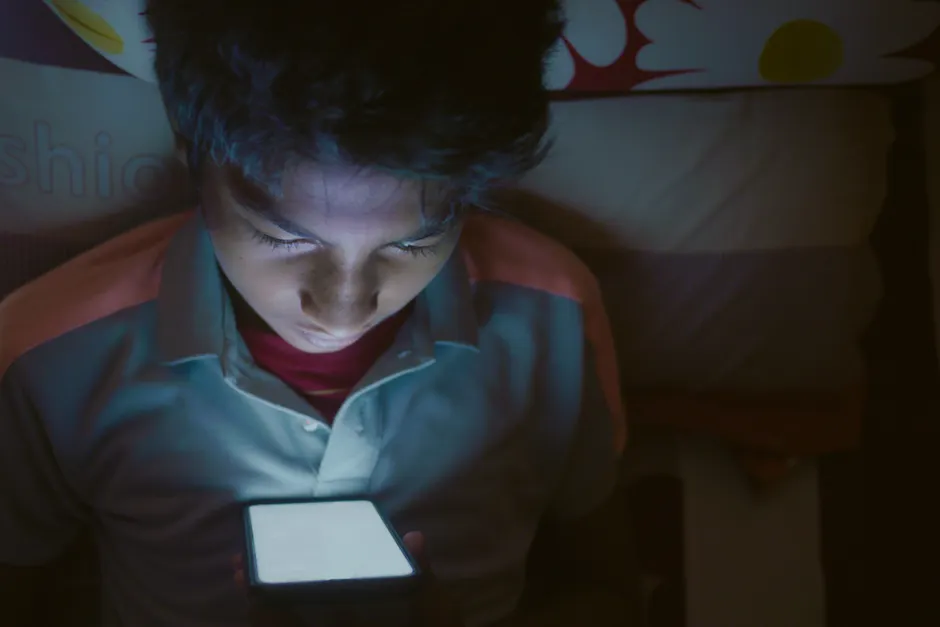
On 15 July 2026, the UK Labour government announced a voluntary overnight social media curfew for 16- and 17-year-olds. The plan proposes a default six-hour lockout from midnight to 6am across Instagram, TikTok, YouTube, and Snapchat. Secretary for Online Safety Kanishka Narayan unveiled the proposal, which would also turn off autoplay videos and infinite scrolling by default for the same age group (Al Jazeera; Euronews; GOV.UK).
Infinite scrolling is a design feature that loads content endlessly so users never reach a natural stopping point, making it harder to put the phone down. Autoplay similarly keeps users watching by automatically playing the next video. Turning both off by default is meant to reduce the kind of passive, extended use that these features encourage.
The proposal follows outgoing Prime Minister Keir Starmer's 15 June 2026 announcement of a blanket social media ban for children under 16, set to take effect in 2027. Together, the two measures form a tiered approach: a hard prohibition for younger children and a graduated, opt-in restriction for older teens. Narayan told Sky News the government aimed for a "smooth slope" into adulthood rather than outright bans for 16- and 17-year-olds (Al Jazeera).
Central to the government's case is pilot data. Narayan cited findings from restriction trials in which more than 90% of teenagers kept restrictive default settings active rather than overriding them. The government published the underlying qualitative research on 14 July 2026, covering interventions tested with 13-to-17-year-olds across three models (GOV.UK research). One of the three tested interventions limited usage to 15 minutes per day. Another imposed overnight-only restrictions.
The pilot research, however, surfaced a consequential limitation. Because overnight-only restrictions did not affect daytime or evening use, overall social media consumption was left largely unchanged. This finding directly undercuts the overnight curfew model's potential to reduce total screen time, even as the government cites the same pilot programme's high opt-in retention rate as evidence of the approach's viability (GOV.UK research).
The voluntary mechanism has drawn immediate criticism. Conservative Party education spokesperson Laura Trott dismissed the curfew plans as illogical and ineffective because the settings can be switched off by users. The National Society for the Prevention of Cruelty to Children (NSPCC) welcomed the proposal but its CEO Chris Sherwood warned it was a "sticking plaster" requiring further, stronger measures. The Children's Commissioner also issued a public statement on 15 July 2026 addressing the midnight curfew (Children's Commissioner).
The broader regulatory context extends beyond UK borders. Australia enacted a social media ban for under-16s that came into force on 10 December 2025, establishing an early precedent for age-based platform access restrictions at the national level. The UK's under-16 ban, announced in its landmark policy document published 14 July 2026, follows the Australian model, while the curfew proposal for 16- and 17-year-olds attempts a middle path between prohibition and unrestricted access (GOV.UK policy document).
The policy's design raises a structural tension worth examining. Narayan's "smooth slope" framing presupposes that graduated restrictions will ease teenagers into healthier digital habits. Yet the government's own pilot evidence indicates that overnight-only limits, which form the core of the curfew proposal, leave overall usage essentially intact. The high default-retention rate, while encouraging for compliance, does not address whether the intervention meaningfully changes behaviour. If teenagers keep the midnight-to-6am lockout enabled but shift their usage to daytime hours, the curfew's impact on sleep, wellbeing, or screen dependency may be marginal.
The gap between compliance and efficacy is the proposal's central vulnerability. The government is betting that default-on design, combined with the removal of addictive engagement features like autoplay and infinite scroll, will compound to produce healthier outcomes even if overnight restrictions alone show limited effect. Whether that wager holds depends on implementation details that remain unspecified, including how platforms will verify user ages, whether the voluntary framework will pressure holdouts into compliance, and what enforcement levers exist if platforms decline to participate.
The timeline also matters. With the under-16 ban not taking effect until 2027, the curfew for 16- and 17-year-olds enters a policy landscape still being shaped. If the voluntary model produces weak results, the political pressure for a mandatory curfew or broader restrictions on older teenagers could intensify, particularly if the NSPCC's call for "stronger measures" gains traction in Parliament. Conversely, if engagement with platforms is robust and opt-out rates remain low, the government may point to the curfew as proof that nudges, meaning subtle design choices that steer behaviour without forbidding it, can substitute for bans.
The reaction from platforms themselves is the variable to watch. The four named services, Instagram, TikTok, YouTube, and Snapchat, operate under differing regulatory regimes across jurisdictions and have made varying commitments to age-appropriate design. Their willingness to implement a voluntary overnight lockout in a major market like the UK, absent a legal mandate, will signal whether industry self-regulation can meet government expectations or whether legislation will be needed to force compliance.


