US Strikes Qeshm Island as Trump Cites Iran Talks
US forces carried out strikes on Iranian air defence systems and on Qeshm Island on Friday, and President Donald Trump confirmed them. He described the action against the air defences as "minor strikes." Qeshm is an Iranian island in the Strait of Hormuz, the narrow waterway through which much of the world's seaborne oil passes. Iran's IRNA news agency reported that two missiles had again struck the island.
An unnamed US official told AP that the strikes on Qeshm were meant to stop Iranians from using surface-to-air missiles against US assets. Iran's army said its air defence forces had intercepted and destroyed a US MQ-9 drone over the island, according to the state broadcaster IRIB. US Central Command, the American military headquarters for the region, said the situation on Qeshm Island was "relatively calm" after reports of explosions.
Trump's statements came against a volatile backdrop. On Thursday, after the midterm elections, he told reporters that the US may have to "destroy" the rest of Iran and that people would "know soon enough" if he acts. Al Jazeera reported that Trump also acknowledged the war on Iran was partly to blame for the Republican defeat in the midterms.
Alongside the strikes, Trump said on Friday that the administration is talking to Iranian representatives. "We've made a lot of progress with Iran," he said, adding, "They want to make a deal." On Saturday, Qatar's Foreign Ministry spokesperson, Majed al-Ansari, dismissed claims circulating on X that the US-Iran negotiations had failed. A senior Iranian official told Reuters that Iran had sent a nuclear proposal to the US through Qatar. Earlier, Trump told the Financial Times that the US had no immediate plan to strike Iran, and Reuters reported that he had raised doubts about whether he would follow through on a threatened resumption of attacks.
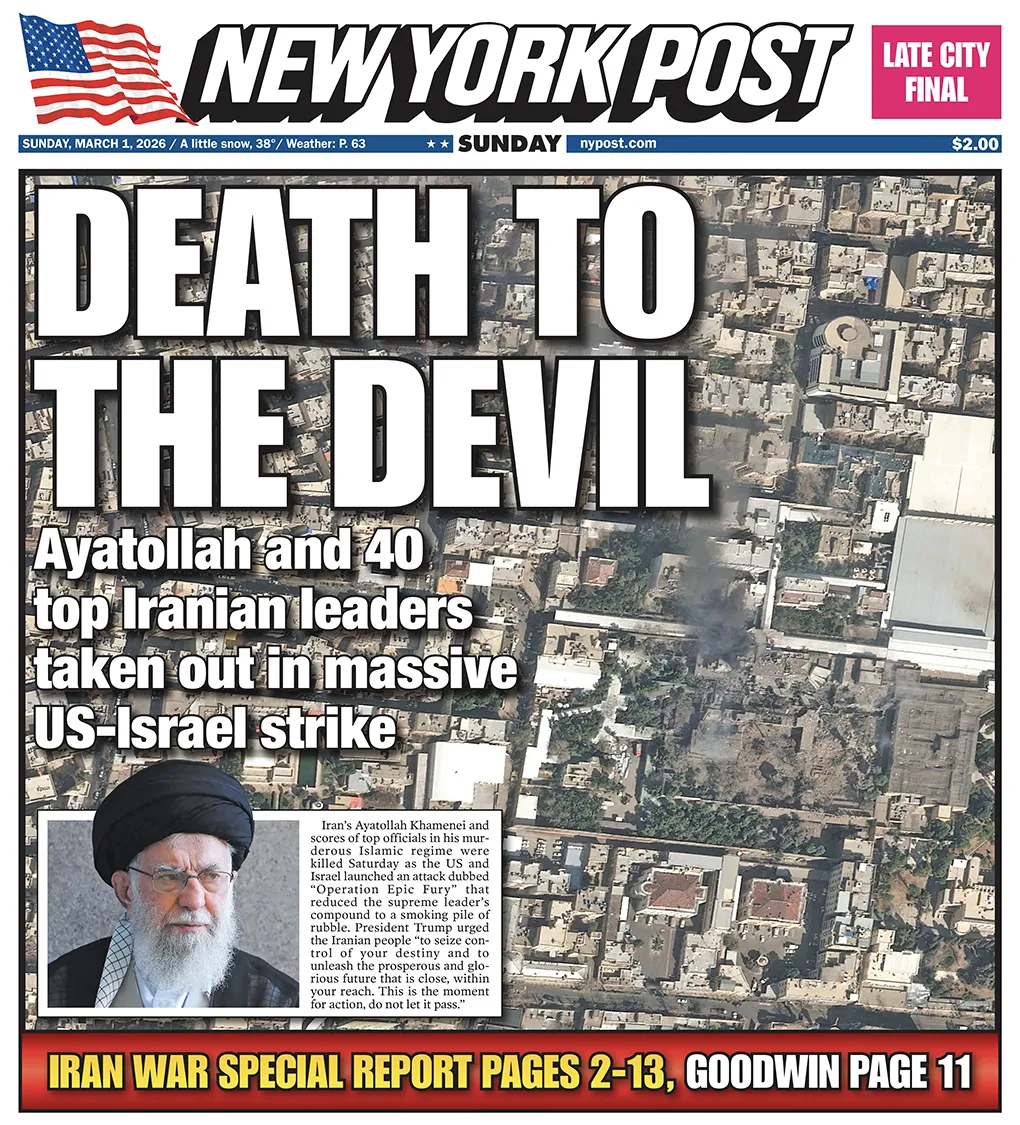
The White House said on November 2 that Trump has made clear Iran will never have a nuclear weapon. Earlier this year, the administration described Operation Epic Fury, which Trump authorised in March, as a precise and overwhelming campaign to eliminate what it called the imminent nuclear threat posed by Iran. The White House has also said that Operation Midnight Hammer obliterated Iran's nuclear facilities, and that US precision airstrikes hit three sites: Fordow, Natanz and Isfahan.
The renewed threat has unsettled Gulf states. Reuters reported that Trump's warnings had revived fears in the Gulf of being pulled into a war they did not choose, since US bases built to protect Gulf allies were expected to draw Iranian retaliation in any renewed fighting. An official from Iran-backed Hezbollah said the threat of war had not necessarily receded and that "reckless moves" remained possible.
Iranian officials have used the phrase "cognitive warfare" to describe a broader struggle. Iranian Deputy Parliament Speaker Hamidreza Haji Babaei said Iran is in "total war" with the US and Israel on several fronts, including cognitive warfare, a term for efforts to shape perceptions and beliefs. Iranian spokesperson Baqaei described a recent speech by US Secretary of State Marco Rubio in Athens as part of such a campaign.