Elvis and Eminem Rights Holders Sue Suno Over AI-Generated Voices and Lyrics

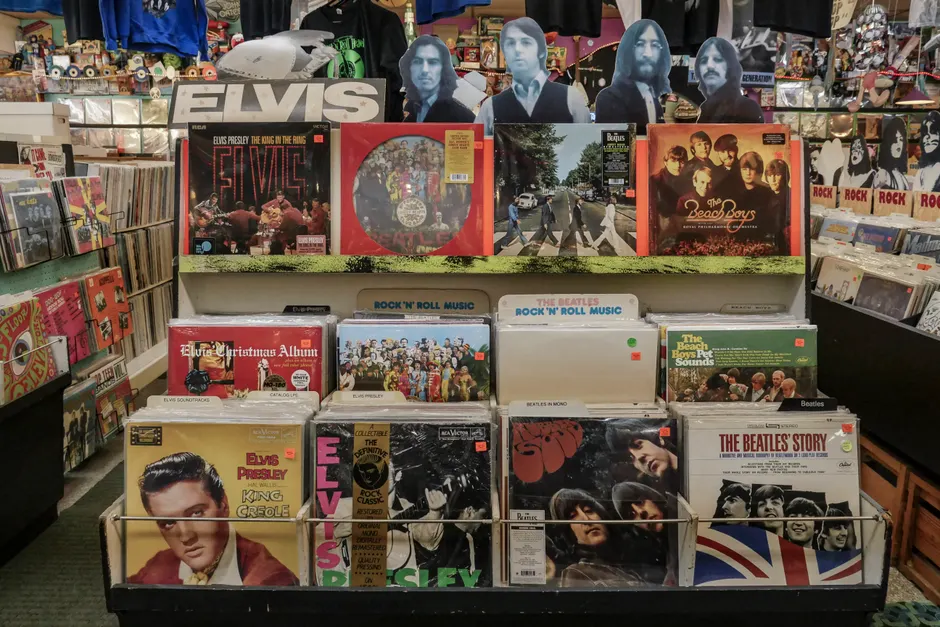
Rights holders of Elvis Presley's music have sued Suno, the AI music company, alleging that it illegally generates music and lyrics that mimic the singer. The 51-page complaint accuses Suno of violating Tennessee's Ensuring Likeness Voice and Image Security (ELVIS) Act (Variety).
The ELVIS Act, enacted in 2024, makes it illegal for an AI company to clone a singer's voice. The statute protects a musician's likeness, voice and images. The Presley filing therefore rests on state law governing identity and voice rather than on a conventional copyright theory. That gives it a different legal footing from the infringement claims already pending against the company.
Separately, the publisher of some of Eminem's biggest records has sued Suno, alleging that the company illegally generates music and lyrics mimicking the rapper (The Verge). That action is a copyright case. The publisher seeks $41 million and alleges that Suno used the rapper's copyrighted music to train its AI model (BND). Training here means feeding a model large volumes of existing recordings so it learns patterns it can later reproduce.
Suno spokesperson Cat McCormack said the company prohibits unauthorized use of an artist's work. McCormack also said Suno does not allow prompts that name specific artists or songs. A prompt is the text instruction a user types to request an output.
The new filings join an existing set of disputes. Suno is also facing lawsuits from Sony, UMG and Reservoir Media. In September, Jason Isbell and others sued Suno, claiming it created imitations of the plaintiffs without directly claiming copyright infringement.
The broader context here is that these cases test two different points in the generative audio pipeline. Copyright claims, like the Eminem publisher's, center on the training data and on whether outputs reproduce protected works. The ELVIS Act and the Isbell complaint focus on the output itself, specifically whether a generated voice or style resembles a particular performer. McCormack's description of prompt restrictions addresses one route to imitation, the user who types in an artist's name. It does not, on its face, address what a model learned during training, and that is the question the copyright plaintiffs are pressing.
In my view, the outcome matters well beyond this one company. Generative audio tools need clear boundaries to be commercially durable. If courts define how far voice and likeness protections reach, companies building licensed music generators would have a far better idea of what they must avoid and what they can license. Artists would gain a clearer basis for negotiating compensation. The risk runs the other way as well. A patchwork of state statutes, each with its own definition of a protected voice, would make compliance harder for any product that generates audio across state lines.
Every allegation here remains a claim, and the courts have not ruled on any of them. For engineers working on voice synthesis and music generation, the practical question is which safeguards a court will regard as meaningful: input filtering, output classifiers, training-data provenance, or licensing agreements. The answer will shape how these systems are built long before any single case concludes.