Italy's 'Free to Choose' Law: A State-Built Exit Door for Mafia Families
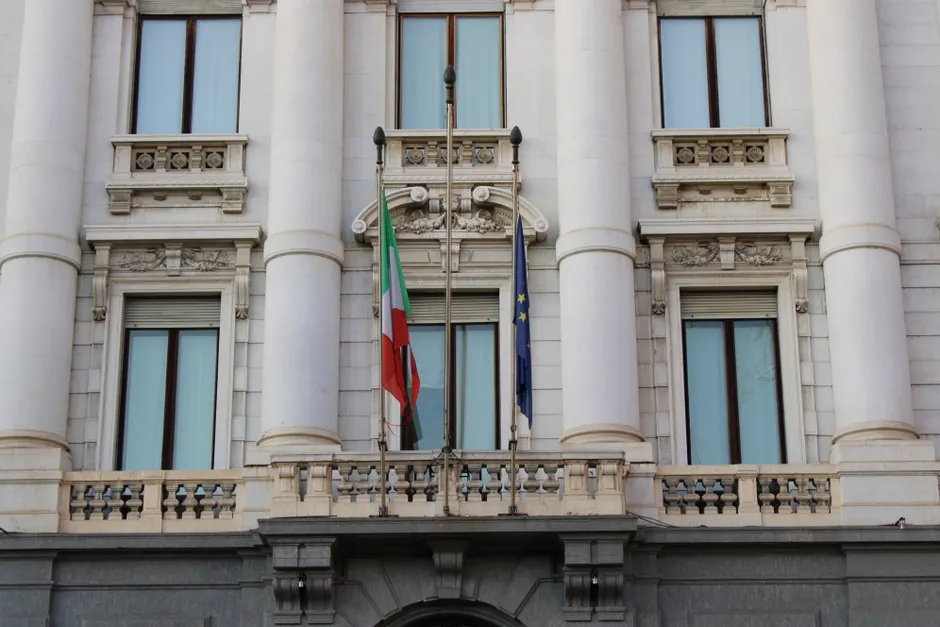
On July 15, 2026, the Italian Senate gave final approval to a bill called 'Liberi di Scegliere' ('Free to Choose'), which creates a national programme to help children under 25 and close relatives of mafia bosses leave organized crime behind. Participants can receive relocation to a new city, new schooling, and — in some cases — entirely new identities (The Guardian). The bill, formally designated Senate bill S. 1721 in the 19th Legislature, carries the full Italian title 'Liberi di scegliere. Misure per la protezione e l'assistenza dei soggetti minorenni e degli adulti di riferimento nei contesti di criminalità organizzata' — essentially, measures to protect and assist minors and their adult caregivers in organized crime settings (Senate of Italy). Chiara Colosimo, who heads the parliamentary anti-mafia commission, said roughly 400 children born into mafia families are expected to enter the programme each year (The Guardian).
The programme did not start from scratch. It grew out of a judicial practice created by Roberto Di Bella after he became president of the youth court in Reggio Calabria in 2011 (The Guardian). Before the new law, the initiative operated through a memorandum of understanding — a formal but non-binding agreement — signed in November 2019 between the Public Prosecutor's Office and the Juvenile Court (UNODC). Think of it as a pilot project that worked well enough in one region that lawmakers decided to make it permanent and nationwide.
The bill's path through Parliament was shepherded by rapporteur Ylenja Lucaselli in the II Commissione Giustizia (the Justice Committee) of the Chamber of Deputies, Italy's lower house. The committee examined the bill — designated C. 2696-A — in hearings on February 4, 2026, and continued deliberations on March 11, 2026. A scheduled round of amendment votes took place on May 27, 2026. The Chamber approved the bipartisan proposal on July 1, 2026, clearing the way for the Senate's final vote. A presentation event was held at the Sala della Regina of Montecitorio, the Chamber's historic hall, featuring a greeting from the President of the Chamber of Deputies. In the Senate, a summary record (Resoconto sommario n. 417) dated July 14, 2026, documented the bill's advancement to the final vote on July 15. A related bill, Senate bill S. 1951, remained under committee review as of July 14, 2026.
Civil society response has been notably favorable. Don Luigi Ciotti, founder of Libera, one of Italy's most prominent anti-mafia organizations, hailed the approval with 'enorme gioia' (great joy), calling the law a concrete tool for women and minors fleeing mafia families (La Via Libera).
The broader context here involves the institutionalization of a previously localized judicial mechanism into national statute. By legislating the provision of new homes, new educational placements, and identity protection, Italy has formalized what amounts to a state-backed exit infrastructure for relatives of organized crime figures. The programme's transition from a 2019 memorandum of understanding to a permanent law elevates its legal standing and ensures its survival beyond the tenure of any single judge or prosecutor. Colosimo's projection of 400 annual entrants establishes a baseline for state resource allocation toward social services and protection arrangements that are distinct from standard criminal justice pathways. The legislation takes aim at the generational perpetuation of mafia power by offering a structural alternative to remaining inside a crime family — an approach that works alongside traditional prosecution rather than replacing it.


