Dow Swings 1,000 Points Three Times in Four Days: What the Moves Mean

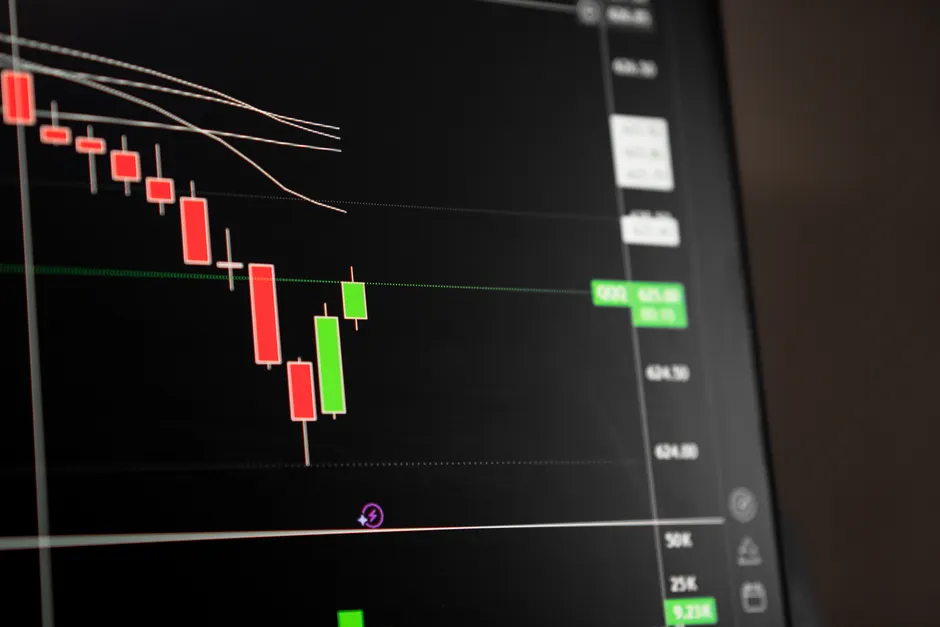
The Dow Jones Industrial Average has now swung 1,000 points or more three times in four days, MarketWatch reported on Nov. 9, 2026. If you hold index funds or pension money tied to the blue-chip average, that is a much noisier stretch than the index had been showing.
The sequence started with a large up day. On Nov. 4, the Dow gained 1,569 points as stocks soared, according to Investopedia. The move reversed in part two days later. In its Nov. 7 market recap, CNBC reported that Intel lost more than 10% and Nvidia lost more than 9%. Nvidia's decline matters for the index because of how the Dow is built and how heavily the large technology names weigh on overall market direction.
The rebound came on Nov. 8. The Dow gained 619 points, or 1.2%, shortly after 9:30 a.m. ET, and the S&P 500 advanced 0.9% in the same early window, per CNBC. Those were opening-period figures, meaning they capture the first stretch of trading after the bell, not where the session closed.
A strategist quoted in the MarketWatch piece said one election and a poor Nvidia headline shifted Washington from a tailwind for stocks, something that pushes prices along, to a potential headwind, something that slows them. Whether the swings persist is a forecast, not a fact yet.
Point moves can mislead. A 1,000-point swing represents a different percentage move depending on the index level, so the headline number tells you less than the percentage does. A 619-point gain at the Dow's current level works out to the 1.2% CNBC cited, and that is the figure to compare against historical daily ranges. Points are what the financial press reports, but percentages are what compound in a portfolio.
This is not the first time this year the Dow has reversed sharply within a session. On March 9, 2026, CNBC reported that the average was down nearly 900 points at its session low before adding 239.25 points, or 0.5%, to end at 47,740.80. Yahoo Finance described the same session as a jump of about 240 points after a loss of more than 800 points. The March episode showed how far intraday prices, the prices at any point during a trading day, can travel from the close.
Energy is another thread. In September, Reuters reported that oil topped $100 per barrel, a level that feeds into inflation expectations and corporate profit margins. That link remains background rather than a cause.
For savers, the practical question is less about any single session and more about how much daily movement a portfolio can absorb without forcing sales at the wrong time. For professionals, the useful question is whether the political and single-stock catalysts cited in the coverage keep feeding into index-level moves. Three 1,000-point swings in four days is the observable fact. What comes next is not yet in the record.