Canadian Wildfire Smoke Pushes Detroit, Minneapolis, and New York Among World's Most Polluted Cities
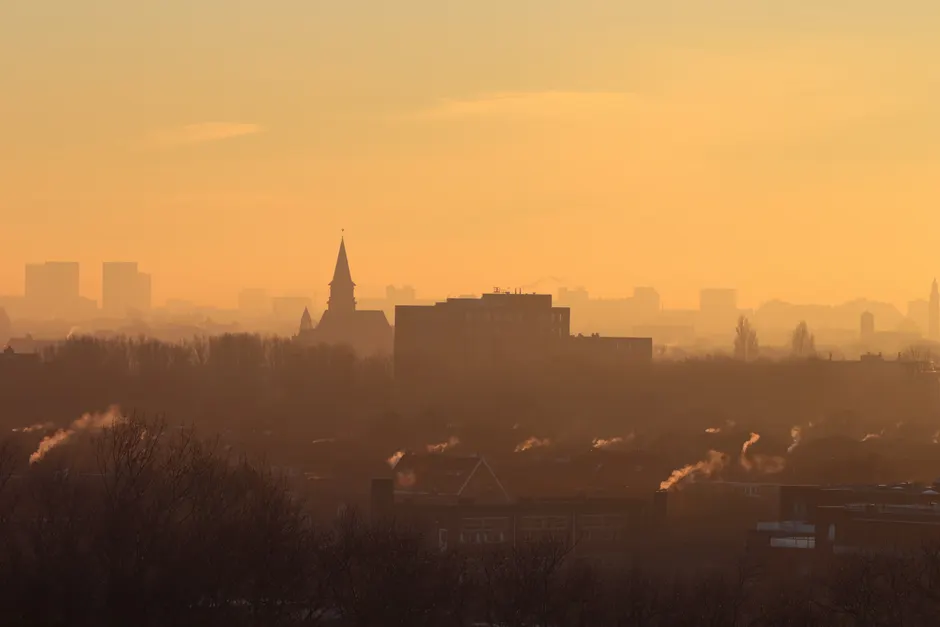
Detroit, Minneapolis, and New York ranked among the world's most polluted major cities as of 12:30 AM EST on July 16, 2026, as smoke from Canadian wildfires in Northern Ontario drifted across the Great Lakes and into the US Northeast and Midwest IQAir.
The pollution event traces directly to wildfires burning in Northern Ontario. Reuters reported on July 15, 2026 that smoke from those fires had already reached Toronto, driving the city's Air Quality Health Index (AQHI) to 10+, classified as very high risk, and threatening US cities downwind Reuters. Hazardous air quality spread to New York the same day and was expected to persist through Thursday night, July 16 Reuters.
IQAir's world air quality snapshot, timestamped July 16, 2026 at 04:00–05:00 GMT, captured the scope of the event across major cities globally IQAir. The organization's live ranking uses AQI categories that range from 0–50 (Good) through 51–100 (Moderate), 101–150 (Unhealthy for Sensitive Groups), 151–200 (Unhealthy), 201–300 (Very Unhealthy), and 301+ (Hazardous) IQAir. Detroit, Minneapolis, and New York placing among the most polluted major cities at the snapshot timestamp puts them in the upper tiers of that scale, though the specific AQI values at each city were not specified in the alert.
The National Weather Service reported that wildfire smoke was impacting air quality across much of the Great Lakes region, with the statement appearing on a weather.gov page dated July 16, 2026 NWS. AirNow.gov had previously displayed a notice on May 21, 2026 stating that wildfire smoke was impacting air quality in multiple states, and provides a Fire and Smoke map for users to monitor ongoing impacts AirNow.gov.
For context, IQAir's USA air quality page reports a US average annual AQI of 40, ranking the United States 84th out of 106 world cities IQAir. That baseline figure, while undated relative to the current event, helps convey the magnitude of the departure: three major American cities registering among the world's worst on a real-time basis is a sharp inversion of the country's typical air quality standing.
The mechanism here is straightforward from a meteorological standpoint. Wildfire smoke from Northern Ontario carries fine particulate matter (PM2.5) aloft — particles 2.5 micrometers or smaller, small enough to penetrate deep into the lungs — and prevailing wind patterns transported that plume southeast across the Great Lakes and into the densely populated Northeast corridor. Toronto, sitting closer to the source, registered the most acute reading with its AQHI at 10+. The same smoke mass then advected further south and west, degrading air quality in Detroit, Minneapolis, and New York in succession.
What sets this event apart from routine seasonal air quality fluctuations is the geographic breadth and the simultaneity. Having three major US metropolitan areas appear simultaneously among the world's most polluted cities is unusual. The May 21 AirNow.gov notice suggests wildfire smoke impacts on US air quality began weeks earlier, but the July 16 snapshot reflects an intensification, not an isolated incident.
The broader context here matters for anyone tracking environmental risk exposure. First, the duration: Reuters reported the New York impact was expected to persist through Thursday night, implying a multi-day degradation rather than a transient spike. Second, the recurrence pattern: the May 21 AirNow notice and the July event suggest a sustained wildfire season with episodic smoke transport events, each capable of triggering AQI category shifts large enough to affect sensitive populations, outdoor operations, and potentially short-term economic activity in affected metros.
The IQAir ranking itself is a real-time measure, not an annual average, and the positions of Detroit, Minneapolis, and New York among the world's most polluted cities reflect a point-in-time capture during active smoke transport. Whether these cities sustain those rankings beyond the current plume event depends on wildfire activity in Ontario and prevailing wind patterns in the days ahead.


