Roku Winds Down Smart Home Hardware to Focus on Streaming

Roku has confirmed it is exiting the smart home market and will wind down sales of its smart home hardware. The decision, reported on 11 November 2026, covers video doorbells, a home monitoring system and other connected devices, according to Engadget.
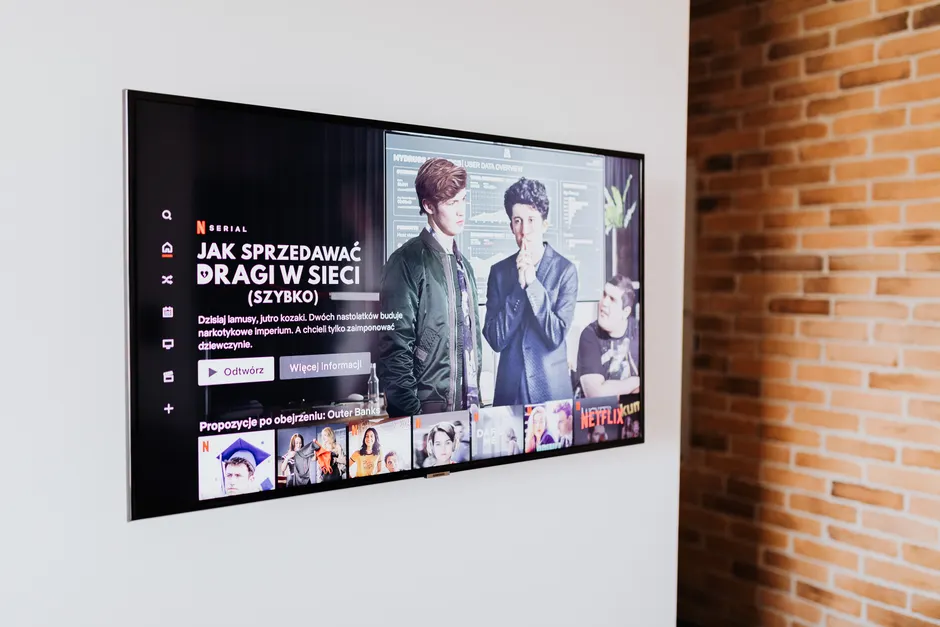
Roku said it is sharpening its focus on being the top streaming platform. The announcement is framed as a plan and an intent. Sales are being wound down, not yet ended, and the company has not presented the change as a completed exit from every product line at once.
Roku also said it will provide continued support and services for Roku Smart Home products. That commitment matters most to owners who already have cameras and doorbells installed. Those devices depend on app access, cloud connectivity (links to the company's remote servers) and firmware maintenance (updates to the software that runs inside the device), not on new sales. The company did not, in the reporting, tie that support to a specific end date.
At the time of reporting, only two Roku smart home devices remained in stock on Roku's web store: the Roku Indoor Camera 360° and the Video Doorbell & Chime. Shelf availability is a leading indicator of how far the wind-down has progressed, and it suggests the catalogue is already thin.
The smart home effort is a relatively recent one for Roku. The company began it in 2022 with rebadged versions of Wyze products, meaning hardware designed and manufactured by Wyze and sold under the Roku name. The line has therefore lasted roughly four years from launch to the current wind-down, a short run for a consumer hardware category that usually depends on long product cycles and regular firmware updates.
The broader context here is the operating model. A camera or doorbell sold through a streaming platform's storefront carries obligations that outlast the sale. Cloud video storage, account authentication, security patches and compatibility with third-party ecosystems all have to be maintained for years, much like a rented storage unit that must stay open for every tenant. Exiting new sales while promising continued support shifts the question from what Roku sells to how long it will keep the backend running for devices already in homes. The company's statement addresses that obligation, but the length and terms of that support will determine how the change is experienced by customers.
In my view, the decision reads as a focusing move rather than a retreat from connected home technology altogether. A company whose core business is the television interface and streaming distribution has a clear reason to concentrate engineering and marketing on that platform, particularly when its smart home lineup was built on another manufacturer's designs. For the wider market, the episode is a reminder that a device brand's ownership can change faster than the cameras on a shelf or the doorbell on a wall. Buyers may want to weigh support commitments as closely as specifications.
The practical outcome for the sector is still forming. Roku has set out its direction and its support pledge, and the remaining inventory is small. Owners of Roku Smart Home products will be most affected by how that support is delivered over the coming years, and the rest of the market will be watching how a streaming platform manages the long tail of a hardware line it has chosen to leave.