Two Brookfield Chiefs, Two TV Interviews: Fundraising, Infrastructure and What Gets Said On Air
Connor Teskey, chief executive of Brookfield Asset Management, joined Bloomberg TV's Dani Burger to discuss third-quarter fundraising momentum, investor demand for infrastructure and credit, and investment opportunities in AI infrastructure. The appearance is listed on Brookfield's news and insights page.
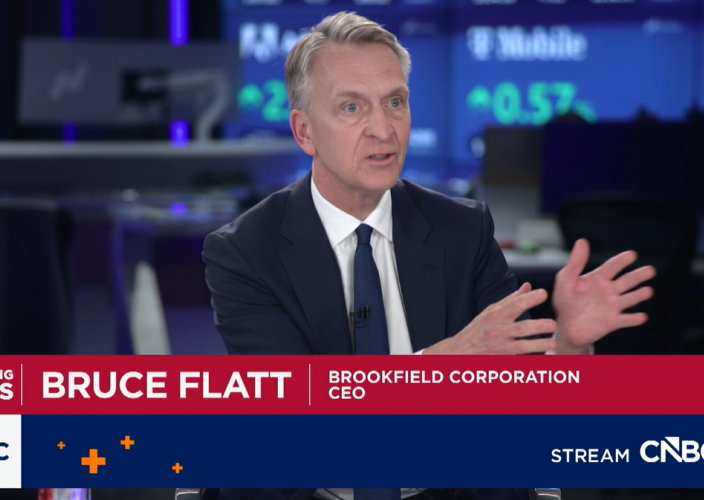
Bruce Flatt, chief executive of Brookfield Corporation, separately sat down with CNBC's Leslie Picker to discuss global market themes. The two companies are distinct entities with their own chief executives, and the interviews cover different ground. Teskey spoke about the flow of capital into a specific set of asset classes. Flatt spoke at the level of the broader market.
For readers new to the industry, fundraising matters because of what it pays for. An asset manager raises money from pension funds, insurers, sovereign wealth funds and wealthy individuals, then invests it on their behalf, typically in private assets such as toll roads, power grids, data centres and corporate loans. The amount raised sets how much can be deployed, and the fees the firm earns depend largely on the size of the pool it manages. When a chief executive says fundraising has momentum, the claim is about the direction of commitments, not returns. Interviews rarely separate those two questions cleanly.
Infrastructure and credit sit at different points in what analysts call the capital structure, the ranking of who gets paid first if things go wrong. Both attract investors seeking long-dated, contracted cash flows. Infrastructure equity is exposed to how the underlying assets perform. Private credit is a claim on borrowers' interest payments and principal repayments. Demand for one can run ahead of the other, so a manager raising for both is exposed to shifts in appetite across the whole structure.
The broader point is that Teskey's discussion of both asset classes suggests fundraising spread across the stack rather than tied to a single product. That is a reading of emphasis, not a figure.
The AI reference connects to the physical build-out of data centres, power generation and transmission lines needed to run compute-intensive workloads, a theme that has drawn a large share of private capital in recent years. Power is often the binding constraint, the bottleneck that limits everything else, so infrastructure investors have tended to treat electricity supply as central. Any claim about opportunity here depends on the timing of grid connections, permitting, and how quickly hyperscale customers sign long-term contracts. Those variables determine whether an investment earns its return on the schedule investors expect.
Flatt's remarks are harder to pin to specific claims. The phrase "global market themes" covers rates, currencies, geopolitics and the relative attractions of regions.
In my view, a chief executive who discusses the global picture on a major business channel is usually signalling how the parent frames risk and allocation. For a corporate parent whose balance sheet and listed vehicles are sensitive to the cost of capital, the level and path of interest rates tends to dominate that framing. Nothing in the interview points to a change in strategy.
Neither appearance contains a transaction, a new fund close, a price, or a forecast with a number attached. Television interviews are a form of investor communication, and their value lies in tone and emphasis: which themes come first, which asset classes get named, and how confidently the case is made.
The more useful test is the firm's own quarterly disclosures, where inflows, fund sizes and fee-earning capital are reported in a form that can be compared over time. Teskey and Flatt run two listed Brookfield businesses, and their remarks will be read against each other. The interviews show how management wants the firms understood. Whether that framing holds will show in the numbers that follow.