A $400 Million Loan Backed by AI Inference Chips, Not GPUs
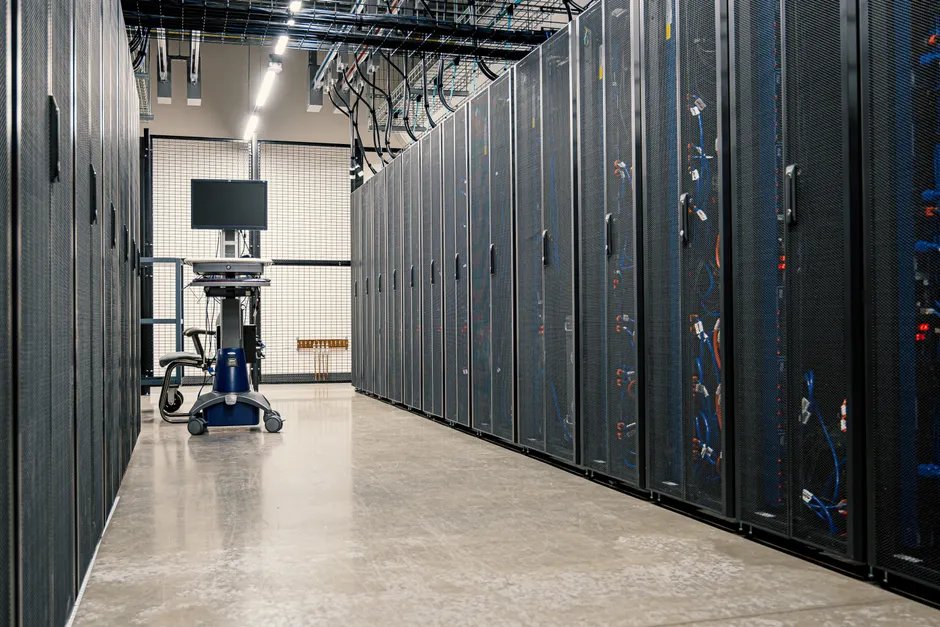
AI inference cloud startup General Compute has secured a $400 million loan from tech investment firm Upper90, using inference-specific silicon as collateral rather than the GPUs that have dominated AI infrastructure financing. The deal, reported by TechCrunch on July 17, 2026, is described as possibly the first financing arrangement to use inference chips as collateral.
General Compute, founded by CEO Finn Puklowski, raised a $15 million seed round in May 2026. The startup builds its inference neocloud — a specialized cloud service focused on running AI models rather than training them — around silicon from SambaNova, an Intel-backed chipmaker. The specific chips deployed are SambaNova's SN50, designed for inference and described as power-efficient enough to operate without expensive water-cooling infrastructure. General Compute claims the SN50 chips will deliver 16 times faster inference than GPU-based clouds.
Upper90 has a track record in chip-collateralized lending. The firm previously financed GPU purchases by Crusoe in 2021, in a transaction that Upper90 co-founder and CEO Billy Libby believes was the first loan ever made against the value of advanced chips. Libby is a former Goldman Sachs quantitative trader. TechCrunch's report includes on-the-record quotes from both Libby and Puklowski, indicating a journalistic scoop rather than a company-issued press release.
The shift from GPU collateral to inference-chip collateral makes sense in the context of how AI infrastructure is evolving. During the GPU buildout of 2021, Upper90's Crusoe loan was a bet that GPU compute would hold its value long enough to service debt. The General Compute deal applies the same lending logic to a different silicon category, one whose value proposition is not raw training throughput but inference cost per token and power efficiency. The SN50's air-cooled design matters here: data center capital expenditure drops substantially when you can skip liquid cooling loops, and that changes the unit economics a lender underwrites against.
The 16x inference speed claim is aggressive, and it deserves scrutiny. Inference benchmarks are notoriously workload-dependent, shaped by batch size, sequence length, model architecture, and quantization scheme — the technique of reducing a model's numerical precision to speed up computation. A 16x figure likely reflects a specific comparison configuration rather than a universal multiplier. Lenders, though, do not need the claim to hold across all workloads. They need it to hold for enough paying customers to generate the revenue that services a $400 million loan. The collateral is the physical silicon; the repayment is the cash flow that silicon produces. If the inference market grows and the SN50 captures a meaningful slice of it, the loan performs. If inference pricing compresses faster than deployment scales, the collateral's resale value becomes the backstop.
The broader context here is that inference is emerging as the commercially decisive layer of the AI stack. Training large models commands the headlines and the largest capital outlays, but inference is where the recurring revenue lives, where the cost curve determines who can actually ship AI products at scale, and where specialized silicon has its clearest opening against GPU incumbency. SambaNova's SN50 is one of several bets that purpose-built inference chips can outperform general-purpose GPUs on the metrics that matter for production inference: latency, throughput per watt, and total cost of ownership.
Upper90's willingness to write a $400 million check against inference chips, not GPUs, signals that at least one sophisticated tech lender sees inference silicon as an asset class with durable, underwritable value. That is a meaningful data point for the neocloud sector, where capital access has been the primary constraint on growth. Companies that can put specialized silicon on the balance sheet as collateralizable infrastructure gain a financing pathway that pure GPU renters have largely lacked outside of Upper90's own prior deals.
For General Compute, the gap between a $15 million seed and a $400 million debt facility is unusually wide. It suggests the startup's business model is asset-heavy from the outset, with capital going directly into chip procurement and data center capacity rather than headcount or software development. Whether that bet pays off depends on whether SambaNova's silicon delivers on its inference performance and efficiency promises at production scale, and whether enough customers migrate inference workloads from GPU-based clouds to make the capacity pay.
The deal also tightens the link between chip design and cloud financing. When the collateral is a specific chip, the lender is implicitly underwriting that chip's competitive position over the loan's term. That ties Upper90's risk not just to General Compute's operational execution but to SambaNova's roadmap, to the pace at which GPU vendors improve their own inference performance, and to the trajectory of model architectures that may favor or disfavor the SN50's design choices.
None of these risks are unusual in infrastructure finance. What is new is the asset class. Inference chips as collateral may become routine, or this may remain a narrow experiment. Either way, the deal establishes a precedent and a price point that other neocloud operators and lenders will reference.