Apple's Siri Remote Can Now Be Located, but Only If Your Setup Qualifies
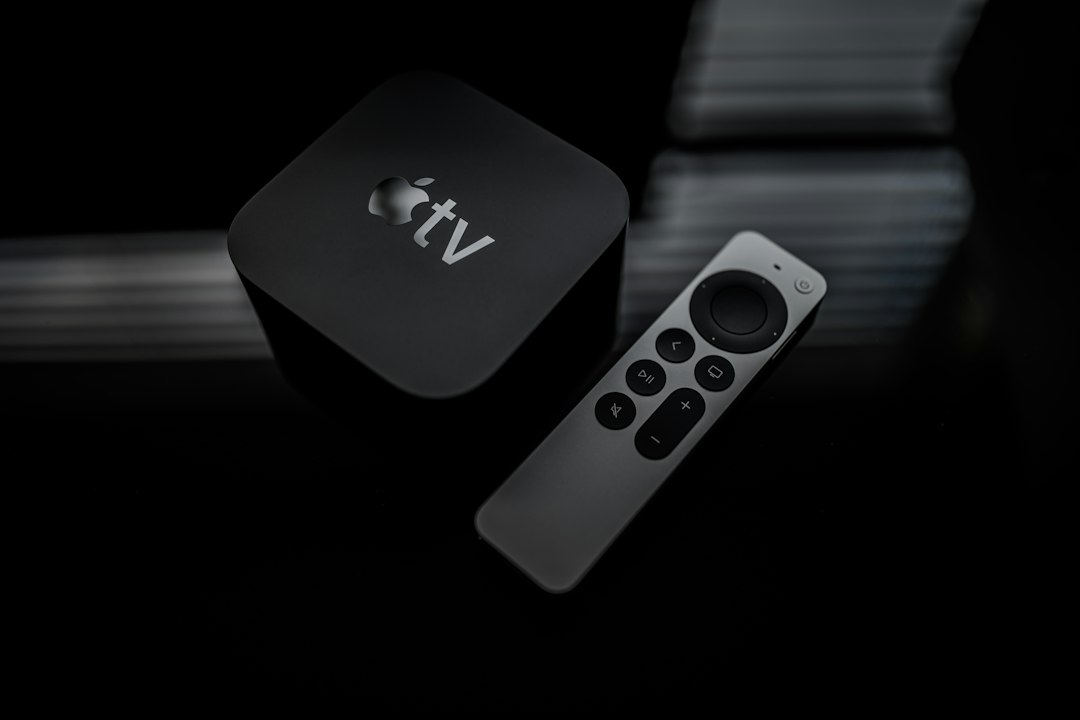
Apple released the Apple TV 4K (4th generation) on November 13, 2026, at $299, with the 4th generation Siri Remote included. The remote is also sold separately for $59. Its distinguishing addition is a locate function: the latest Siri Remote with Find My support is compatible with all four Apple TV 4K models and the Apple TV HD, according to Engadget.
The remote can play a sound to help you find it. Locating it by voice requires Siri AI, Apple's AI-powered assistant, to be turned on, and it depends on the Home app, which manages the smart home and TV settings. Saying "Where's my remote?" to the Apple TV 4K requires the Home app home owner to have an Apple Intelligence-enabled iPhone or iPad on the latest software, with Siri AI on in a supported language. The home owner's device, not the viewer's, is therefore the gating element for the voice path.
The Find My app offers a second route. It requires an iPhone updated to iOS 27.2 or later, and you must be signed in on the Apple TV 4K as the default profile or as a member of a family group connected to it. The remote is then located by tapping Devices, selecting the remote's name, and tapping Find. On an iPhone with Siri AI, saying "Siri, where's my remote?" triggers the remote's sound and Precision Finding.
Precision Finding is the directional mode that guides you toward the remote. It is limited to the iPhone Duo, iPhone Air, and iPhone 17 or later. The iPhone 17e is excluded. Owners of earlier iPhones still receive proximity information in Find My, which reports the remote as "near," "far," or "here." The gap between the two experiences is the gap between a guided search and a coarse status indicator.
The broader context here is the set of dependencies. The locate feature touches the Apple TV 4K's profile model, the Home app's ownership role, Apple Intelligence eligibility, a minimum iOS release, and a language configuration for Siri. Each condition is reasonable on its own. Together, they mean a household can own compatible hardware and still find that the feature works for one family member and not another. Anyone supporting a mixed-device household should check the home owner's device and the signed-in profile before assuming the function is available.
In my view, the more useful question for buyers is not whether the remote can be found, but whether the household's configuration meets the conditions. The $59 price for the remote matters mainly to those who need a spare. For a new setup, the $299 bundle is the simpler purchase.
In my view, the feature addresses a small, common problem: the remote that slides between the sofa cushions. A sound on demand, triggered by voice or by an app, is a modest improvement, and most users will meet the situation every week. Its practical value lies in working with devices already in the house, provided those devices meet the stated requirements.


