Invitation Homes (INVH): What the Ticker, Index Membership and Listing Tell You
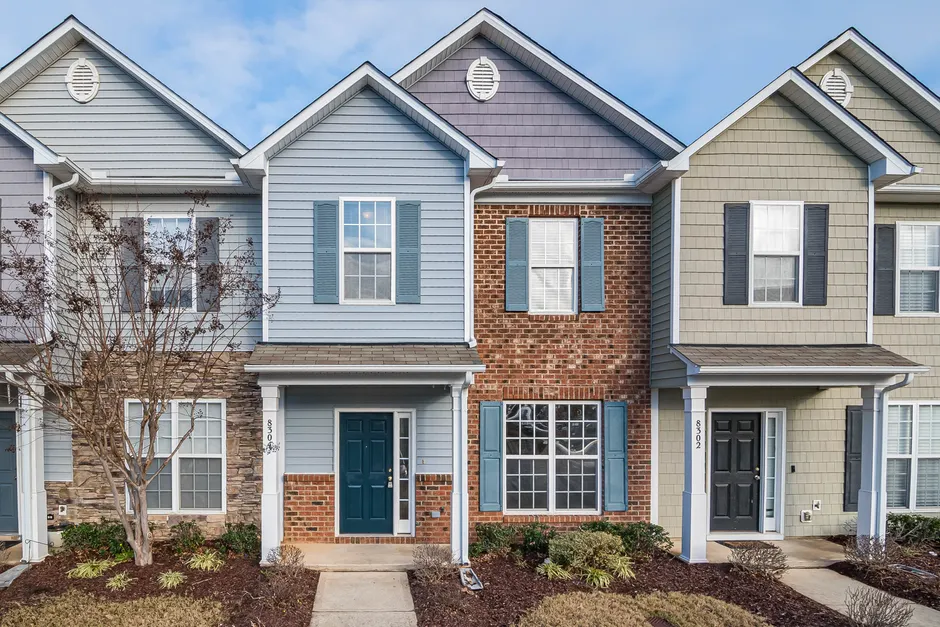
Invitation Homes, an S&P 500 company, describes itself as a single-family home leasing and management company. Its common stock trades under the ticker INVH, the short code used to identify the stock, on both the New York Stock Exchange and NYSE Texas, according to its investor relations news releases page.
The company states its purpose as "Unlock the Power of Home." That is a corporate mission line, not a financial metric. It says little about margins, occupancy, or how the company allocates capital, so those figures have to come from the company's own filings and releases.
The business model is simple to describe. A single-family leasing operator acquires or manages houses and rents them out, so its revenue is rent. Results depend on a handful of variables: how many homes are occupied, what rent each one commands, how often units turn over, and what it costs to maintain and insure a portfolio of detached houses.
Unlike multifamily apartment operators, which can keep many units in one building, a single-family platform spreads its assets across many individual properties and neighborhoods. That dispersion changes the cost of maintenance, the leasing process, and how exposed the portfolio is to local conditions. Analysts who cover the name typically focus on these operating drivers.
For anyone judging the company from the outside, the same drivers are the right place to start. A narrative about housing is a poor substitute for them.
The S&P 500 is a benchmark of 500 large U.S. companies, and a large share of institutional money is managed against it or through index-tracking products. Membership therefore tends to shape who owns the stock and how it moves relative to the market.
In my view, that matters for a different reason than the company's operations. A saver who holds an index fund may already own INVH without having chosen it, and the share price can move because of index flows as well as rents and occupancy.
Holding shares listed on two exchanges does not create two securities. The same common stock carries the same ticker and the same claim on the company, and the second venue is one more place those shares can trade.
Experts would frame the dual listing as a question of market structure and liquidity rather than corporate substance. For an investor, the practical question is whether the venue changes execution, fees, or settlement at their broker, and that depends on the broker, not the listing.
Taken together, the profile is short: a large-cap leasing company with a published purpose statement, a ticker that trades on two U.S. exchanges, and a business judged on rent and occupancy. Readers weighing the stock should check the company's quarterly and annual disclosures for the numbers, and be wary of commentary that stands in for them.
This piece makes no call on the shares. It describes the company as it presents itself and sets out the operating questions to put to the reported results.