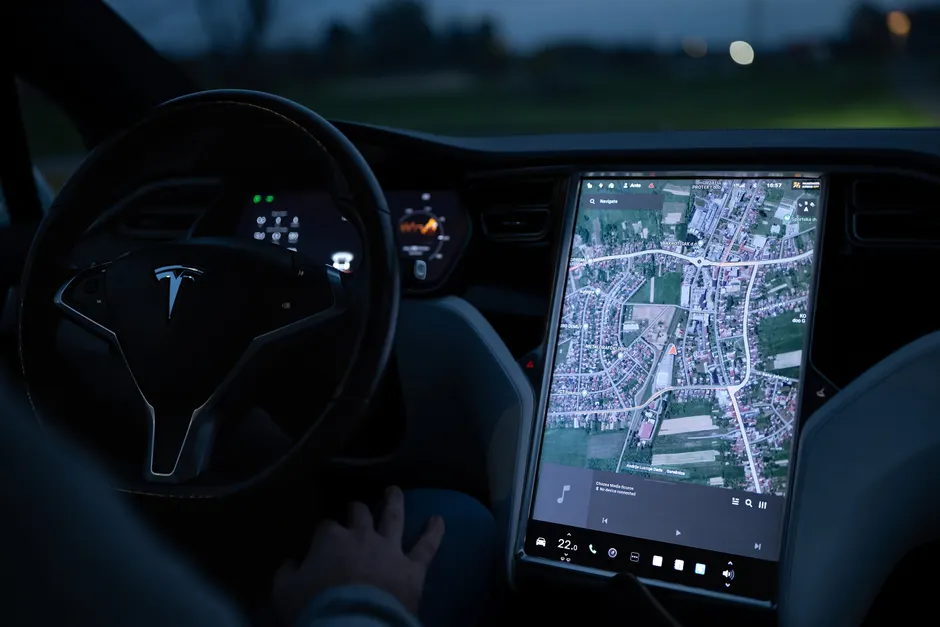
Tesla Commits €3 Billion to Berlin, Where Cybercab Production Is Planned for 2029
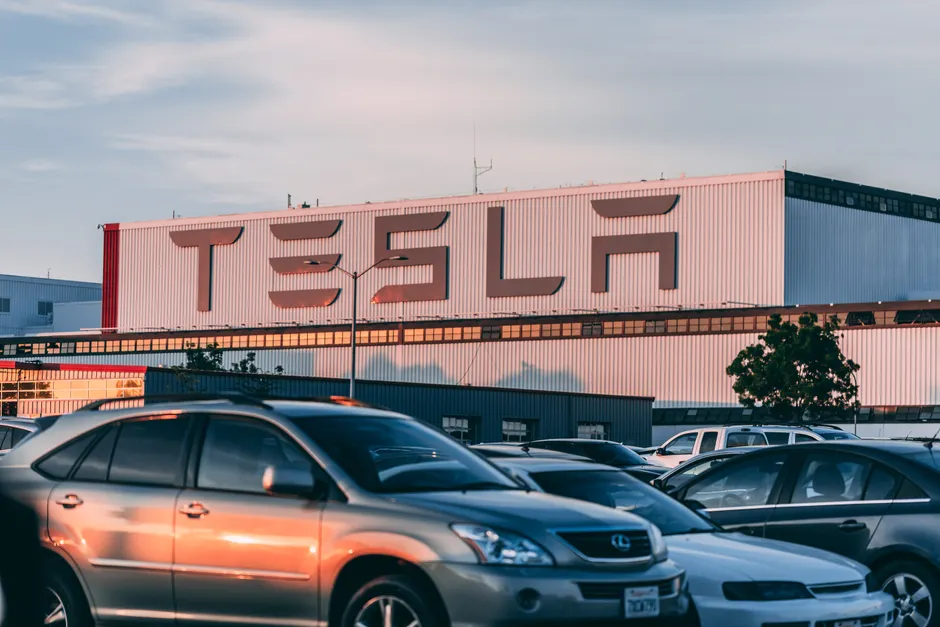
Tesla will spend €3 billion ($3.3 billion) to expand its Berlin gigafactory in Grünheide, just east of Berlin. The new building is planned to be capable of producing up to 1 million vehicles per year.
Construction on the expansion is expected to begin in the first half of 2027. Tesla plans to begin building Cybercabs at the Berlin site in 2029. Tesla senior director of manufacturing André Thierig said the expanded facility will be the most technologically advanced of all Tesla factories, according to TechCrunch.
The Cybercab is a vehicle without a steering wheel, so it has no manual driving controls and depends entirely on automated software. Tesla first revealed it in 2024 and launched it publicly in September 2026. About 573 Cybercabs are operating on roads in Austin, Texas, with service in Dallas planned soon. Tesla also has about 1,307 robotaxis registered in Texas, most of which are modified Model Y vehicles.
Tesla plans to stop making the Cybertruck in 2027, in part to free up space for Cybercab manufacturing at its Austin factory. The Berlin expansion therefore sits alongside a restructuring of Tesla's production footprint, with the Cybercab moving to the center of its manufacturing plans on two continents.
Tesla delivered more than 486,000 vehicles in the third quarter, about 6,000 more than in the second quarter. Those deliveries sit just under half of the annual capacity the Berlin building is planned to reach.
Federal regulators are investigating Tesla's self-certification of the Cybercab, the process in which a manufacturer declares on its own that a vehicle meets federal safety rules. The inquiry concerns how the vehicle has been certified as compliant, and it bears directly on the timeline for public deployment in the United States.
In my view, the Berlin announcement is best read as a statement of intent with a three-year runway. Construction has not started, the Cybercab production start is still roughly two and a half years away, and the 1 million vehicle figure describes the building's planned capability rather than output. Each of those dates depends on engineering, permitting and manufacturing ramp decisions that have yet to be made.
The broader context here is that Tesla is tying its manufacturing capacity to a vehicle whose regulatory status is under federal review. A steering wheel-free design removes the human driver from the control loop, so the certification question goes to the core of what the vehicle is allowed to do on public roads. The outcome of that investigation will shape how quickly the Austin fleet grows and whether the Berlin plan proceeds on the current schedule.
What the announcement makes possible, if the timeline holds, is a second high-volume production base for a purpose-built autonomous vehicle outside the United States. For a company that has run its robotaxi operations primarily in Texas, a European site would place the Cybercab inside a very different regulatory and labor environment. Those conditions will matter as much as the factory's automation level.