Altman Says Buyers Should Be Able to Get Far More RAM for Home Machines

Sam Altman said on Monday that he wants people to have a lot of memory in their own machines. "I want to be clear, I want people to have a lot of RAM, I think everybody should be able to buy a lot of RAM for their own computer," he said, according to The Verge.
The remarks were made on stage at Semafor's Silicon Valley & The World summit. Altman also said, "I think the home tinkering is great." These are his most recent comments on RAM.
The statement is short, but its framing is specific. Altman spoke about the individual buyer and the individual machine, not about data-center capacity or enterprise procurement. He used the word "able," which puts the emphasis on access and purchasing rather than on what hardware vendors or cloud operators build. The remarks should be read as a general statement of preference.
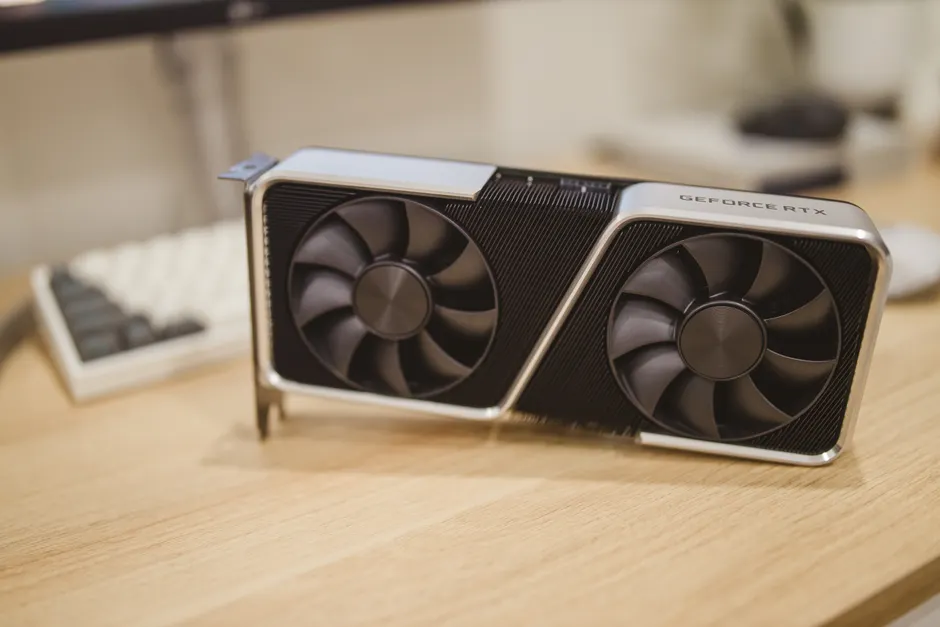
The broader context here is memory capacity itself, which matters more to local inference (running a model on your own hardware rather than on a remote service) than many buyers realise. System RAM, and VRAM (the memory on a graphics card) in discrete GPU systems, sets the ceiling on what can be loaded at all. The model's parameter count at a given quantization (how far its weights are compressed), the KV cache that grows with context length (the working memory a model uses to keep track of the conversation so far), and the headroom left for the operating system and tooling all draw on the same pool. A machine with modest memory forces trade-offs: a smaller model, a shorter context window, or offloading layers to slower storage, with a corresponding hit to throughput and latency. Developers who run open-weight models on their own hardware already know which of those constraints bites first.
In my view, the quote is more useful as an indicator of where the conversation sits than as a policy position. Owners of home machines have wanted more headroom for years, and a public statement that buyers should be able to get it is easy to make. Delivering it is a different matter. Whether ordinary purchasers can obtain large memory configurations at sensible prices depends on component supply, pricing and product decisions that a single speech does not determine. Readers who track DRAM and packaging supply will want to watch those variables rather than the rhetoric.
The second remark, that home tinkering is great, points in the same direction. Consumer access to capable hardware is what lets hobbyists, students and small teams experiment with models outside a hosted API, with the cost, latency and data-residency trade-offs that entails. Altman did not say what he expects tinkerers to build.
Taken on its own terms, the statement is straightforward. A senior figure in AI said that individuals should be able to buy substantial memory for their own computers, and that he values home experimentation. Whether memory becomes cheaper and easier to buy for people who want to run models locally is not yet visible. If it does, more people could run larger models on machines they own, a modest but real expansion of what a personal computer can do.