Leaked Pixel 11a Specs Point to Flaggrade Tensor G6 Chip and a MediaTek Modem Shift
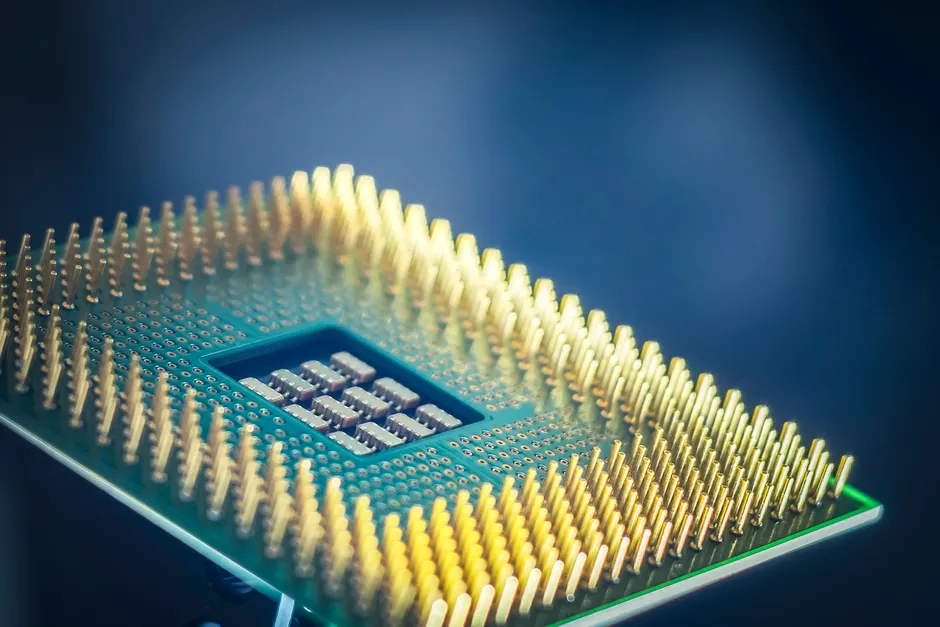
The Google Pixel 11a will use the same flagship Tensor G6 processor as the mainline Pixel 11, according to a leak from the account "Mystic Leaks" posted on Telegram (The Verge). The post, which surfaced on July 18, 2026, also detailed display, battery, and modem specifications for the mid-range device, codenamed "Formosan" (9to5Google).
If accurate, the Tensor G6 inclusion would mark a sharp departure from Google's recent mid-range strategy. The Pixel 10a shipped with the previous-generation Tensor G4 rather than a current-generation chip (The Verge). Putting a flagship SoC — the main application processor that runs a phone's computing tasks — in the 11a would narrow the performance gap between Google's budget and premium tiers to essentially zero, at least on the processing side.
The Tensor G6 itself is rumored to feature a PowerVR DXT-48-1536 GPU, the same graphics processor reportedly used in the Tensor G5 (The Verge). The leak also indicates the G6 will pair with a MediaTek M90 modem, moving away from the Samsung Exynos modems used in prior Tensor chips. NotebookCheck independently reported the MediaTek M90 detail (NotebookCheck), and Android Headlines corroborated both the Tensor G6 and new modem claims (Android Headlines).
On the display side, the Pixel 11a is expected to retain a 6.3-inch panel at 1080 x 2424 resolution with a variable 60 to 120Hz refresh rate. Peak brightness climbs to 3,350 nits, up from 3,000 nits on the Pixel 10a (The Verge; Android Headlines).
The battery is slightly smaller: 4,870mAh versus the Pixel 10a's 5,000mAh (The Verge; Android Headlines). The leak also reports 8 GB of RAM for the device (NotebookCheck).
The MediaTek modem shift is the detail most worth flagging. Google has been working to decouple its Tensor silicon pipeline from Samsung's foundry and modem stack for some time. A MediaTek M90 in the Tensor G6 would be a concrete step in that direction, and the fact that it appears in the mid-range 11a suggests the modem transition is far enough along that Google is willing to deploy it across the full product line, not just flagship models. The corroborating reports from multiple outlets, all pointing back to the same Mystic Leaks Telegram post as the origin, give the claims a degree of weight unusual for a single-source leak.
The GPU story is quieter but notable. If the G6 reuses the same PowerVR DXT-48-1536 as the G5, Google is signaling that the GPU architecture is in a refinement cycle rather than a redesign. For a mid-range device like the 11a, that fits with the tier's historical emphasis on adequate performance and battery efficiency over raw graphics throughput.
The battery reduction, while modest at roughly 2.6 percent, cuts against the assumption that a flagship chip would demand a larger power envelope. Google may be betting that the G6's manufacturing node improvements and thermal management compensate, or that the slightly smaller cell is a packaging constraint dictated by other internal components. Either way, 130mAh is unlikely to meaningfully change real-world endurance.
The broader context here is what a flagship SoC in the 11a does to the Pixel lineup's tier differentiation. If the 11a ships with the same application processor as the Pixel 11, the value gap between the two narrows considerably. Google has historically used chip generation, camera hardware, and build materials to justify the price difference between its A-series and mainline Pixel phones. A shared SoC removes one of those levers, leaving camera sensor quality, display technology, and materials to carry more of the burden.
For developers and Android enthusiasts, the Tensor G6 in the 11a would also mean broader device availability for whatever on-device AI and ML capabilities Google builds into the G6's NPU or TPU blocks — the dedicated silicon that accelerates machine learning tasks on-device. A larger installed base of devices running identical silicon simplifies optimization and testing, and could accelerate feature parity across the Pixel ecosystem.
All of these details originate from a single leaker's Telegram post, cross-referenced but not independently confirmed by Google. The company has not announced the Pixel 11a or the Tensor G6. The Pixel 10a's use of an older-generation chip is a factual precedent that lends the leak credibility by contrast, but the jump from a two-generation-old chip to a current flagship is a substantial leap, and one that may shift before the device reaches production.
What is clear is that Google's mid-range Pixel strategy is under active evolution. Whether the final shipping device matches every specification in this leak, the direction indicated is toward tighter silicon parity across the lineup and a continued move away from Samsung-sourced components in the Tensor stack.