Israeli Strikes Cross Ceasefire Lines in Gaza, Raising Questions About the Agreement's Survival

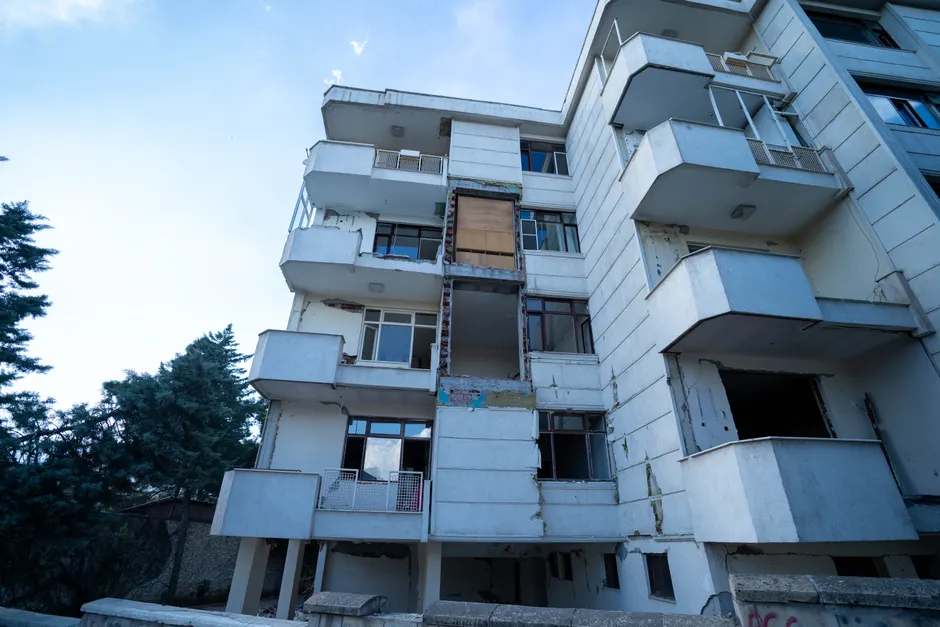
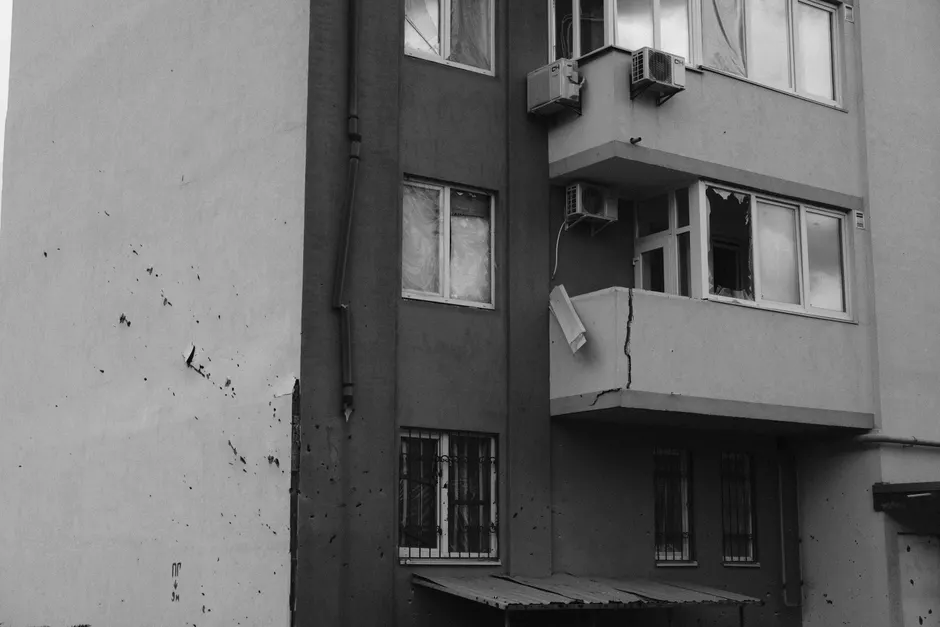
Israeli attacks on two residential neighborhoods in Gaza City killed at least eight Palestinians on July 18, 2026, according to medical sources cited by Al Jazeera. Five were killed when a warplane struck a second-floor apartment in the al-Nasr district, destroying the building and damaging a neighboring block. Three more died from artillery fire in al-Zeitoun. Casualty figures came from medical sources at Al Shifa hospital complex, and unnamed sources said rescue teams continued searching rubble in al-Nasr for trapped victims, warning the toll could rise.
Israel confirmed it carried out strikes across Gaza, according to an Associated Press report carried by Al Jazeera.
The July 18 attacks pushed beyond the so-called "Yellow Line" — a demarcation line that Israeli forces are meant to hold under the US-brokered ceasefire agreed in October 2025. That ceasefire framework established geographic boundaries intended to limit Israeli military positioning within Gaza. The strikes on al-Nasr and al-Zeitoun, both neighborhoods within Gaza City proper, moved offensive operations beyond those agreed parameters.
A day earlier, on July 17, Israeli attacks across Gaza killed 14 people, including eight mourners killed when a strike hit a funeral procession. The procession had been held for a Palestinian killed by Israel earlier that same day. Separately, on July 17, Gaza health officials reported that Israeli warplanes struck a gathering of civilians near the Al-Balata market area of the Nuseirat refugee camp, killing eight. These consecutive days of strikes follow a pattern of sustained operations through the spring and summer: on July 8, Israeli air strikes killed at least eight including two children aged 10 and 6; on June 27, eight were killed; on June 4, eight were killed and 15 injured in strikes on Gaza City; on March 15, an airstrike on a vehicle killed eight.
Gaza's Health Ministry, as cited by Al Jazeera, reports a cumulative death toll of at least 1,127 Palestinians killed since the ceasefire began. That figure includes at least 260 children. Earlier reporting by the BBC in April placed the toll at 792 killed and 2,200 injured, indicating a sharp acceleration in casualties over the subsequent three months.
Al Jazeera correspondent Hani Mahmoud, reporting from Gaza, stated that Israeli military expansion was shrinking and fragmenting Palestinian territory.
The broader context here is one of cumulative erosion. The October 2025 ceasefire was brokered by the United States with the stated aim of halting hostilities and establishing geographic constraints on Israeli force posture — meaning where troops and military assets are positioned. Gaza's Health Ministry figures, counting 1,127 deaths since that ceasefire took effect, suggest the agreement has not functioned as a true cessation of violence but rather as a restructuring of its tempo and geography. The Yellow Line was designed to prevent exactly the kind of forward movement now occurring. If the line is treated as advisory rather than binding, the ceasefire's core mechanism — its deconfliction architecture, or the system meant to keep opposing forces apart — loses its practical purpose.
One additional factor deserves attention. Medical sources at Al Shifa hospital complex, a facility that has itself been a focal point of Israeli military operations in previous phases of the conflict, remain the primary conduit for casualty figures reaching international wire services. When rescue operations are ongoing and rubble is still being cleared, initial counts almost invariably rise, as the unnamed sources in Al Jazeera's reporting explicitly warned.
For parties monitoring compliance with the ceasefire framework, the key metric to watch is whether any diplomatic mechanism responds to the Yellow Line crossing. The US, as the brokering party, has not been reported as commenting on the specific July 18 breach in the available sourcing. The absence of a documented enforcement response — whether from Washington, the UN, or any other monitoring body — would be consistent with the trajectory since October 2025, in which each successive round of strikes has been met with casualty counts but no documented change in the ceasefire's enforcement architecture.