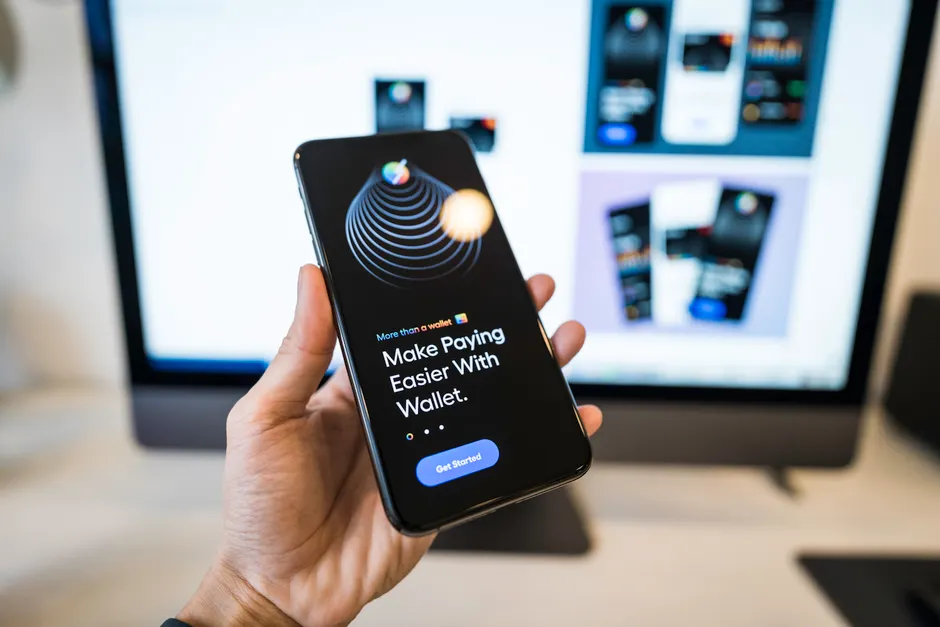
Google Wallet Launches on iOS in the US, Without Tap-to-Pay

Google has launched Google Wallet on iOS for users in the United States, according to Engadget, which reported the rollout on 17 November 2026. The iOS version does not support tap-to-pay, the contactless method that lets a phone authorise a payment at a point-of-sale terminal. That omission is the most immediate functional difference between the iOS build and the broader payments container Google describes Wallet as being.
Google is positioning the iOS app as a hub for agentic purchases made across Google tools. Agentic commerce refers to transactions in which software agents initiate or complete a purchase on a user's behalf, typically after the user has set the intent or approved the outcome. According to the same report, Google presents Wallet on iOS as the place where those purchases are managed, rather than as a card-present payment tool. The stated emphasis is on online and cross-product commerce, not in-store payment.
The launch is limited to the United States. The report gives no timetable for other markets, and nothing in the announcement indicates that tap-to-pay support is in development for the iOS build. Readers evaluating Wallet for iPhone should judge the feature set as it is described at launch.
The broader context here is a split that has shaped mobile wallets for years. Tap-to-pay has been the functional anchor of phone-based payments, while wallet apps have usually been judged on how many cards, passes and identity credentials they can hold. A wallet that handles purchases initiated inside Google's services, but not physical contactless payment on iOS, sits closer to a commerce front end than to a replacement for the card in a jacket pocket. Whether agentic checkout proves useful will depend on how merchants, payment networks and users adopt it.
In my view, the distinction matters for developers and businesses as much as for consumers. Anyone building payment flows or evaluating wallet integrations on iOS needs to separate agentic purchasing from card-present acceptance, because this launch addresses the first and not the second. Conflating the two would overstate what the iOS release does.
The optimistic reading is also the straightforward one. If a single wallet can hold purchase context and complete transactions across the tools a person already uses, checkout friction falls and the step from search to recommendation to payment gets shorter. That is a practical gain for people already living inside Google's ecosystem. The constraint is equally practical. Until tap-to-pay arrives on iOS, a physical store still requires a different method, and that gap defines what this release can and cannot do on day one.