Molten Industries Starts Oakland Demo Plant to Test Methane-to-Graphite Process
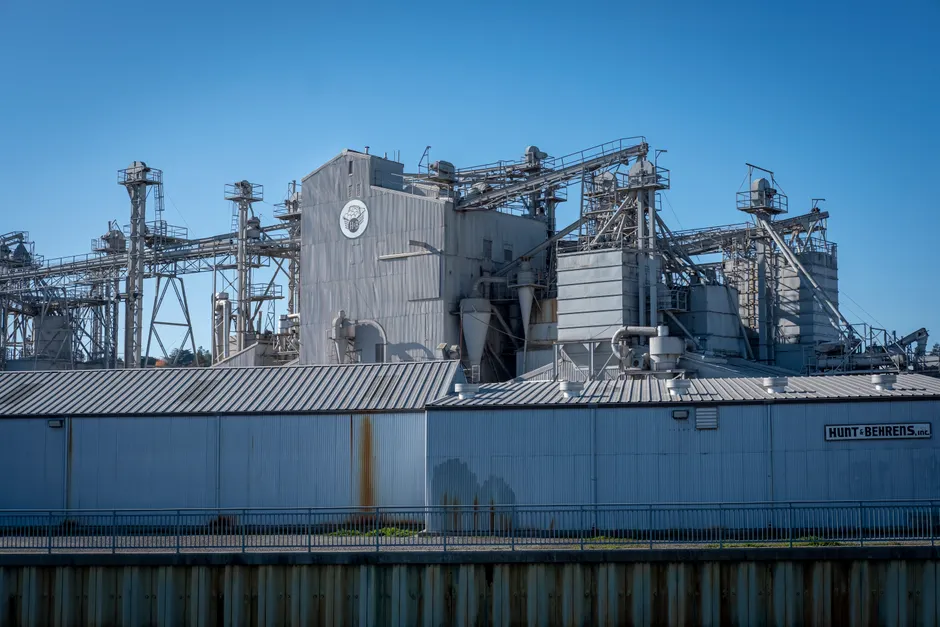
Molten Industries has started operating a demonstration plant in Oakland, California, to test whether its graphite process works at the scale it intends to reach. The company says the facility will produce about 300 metric tons of graphite a year, enough to supply batteries totaling 300 megawatt-hours, or roughly 4,300 electric vehicles.
The process differs from conventional graphite production in its feedstock and energy path. Molten Industries uses electrical resistive heating, in which an electric current passing through a material generates the heat, much as a toaster element does, to split methane into solid carbon and hydrogen. The company describes itself as making graphite and hydrogen from natural gas, according to its website. Molten Industries also claims its system uses three times less electricity than existing graphite production methods. Those figures come from the company and have not been independently measured.
The most commercially pointed claim concerns cost. Molten Industries says the Oakland plant will produce graphite at cost parity with China plus tariffs. That is a comparison against landed cost, meaning the price of imported material once it reaches the buyer including duties, not against a production cost in isolation. It therefore depends on the tariff regime applied to imported material as much as on the plant's own economics.
Co-founder and CEO Kevin Bush and co-founder and CTO Caleb Boyd lead the company. Their stated objective is to offer an alternative to a supply base that is heavily concentrated. According to TechCrunch, Chinese companies control about three-quarters of the graphite anode supply chain and 97% of synthetic graphite anode production.
The anode is the negative electrode in a lithium-ion cell. Synthetic graphite, produced by high-temperature processing of carbon precursors, is the dominant form used in high-performance cells. That makes the concentration at the synthetic production step the sharpest point of dependence. A cell maker can diversify its cathode chemistry or its cell-assembly footprint more easily than it can diversify a material whose capacity sits almost entirely in one country.
The broader context here is that the concentration is a manufacturing and policy problem as much as a chemistry problem. Tariffs, export controls and qualification cycles for new anode material all shape whether a domestic producer can win contracts, and a demonstration line does not settle any of them.
In my view, the central question for the Oakland plant is not whether methane pyrolysis can yield graphite, which is established chemistry, but whether a resistive-heating route can hold its energy and cost figures once it runs continuously at commercial scale. A 300-ton facility is a test, and test plants are often where unit economics first diverge from lab numbers. Readers tracking this should watch for measured electricity intensity, hydrogen offtake pricing and, eventually, qualification results from cell makers.
If the process performs as described, the arrangement has a practical appeal. It converts natural gas into two products with separate markets, and the electricity input can be sourced and priced independently. For an industry that has spent years trying to build a second source for anode material, a commercially viable domestic route would widen the options available to battery manufacturers. Whether it can do so is the question the Oakland operation is now positioned to begin answering.