Altman on Huang: A Mutual Bet, and the Question of Continuity Between OpenAI and Nvidia

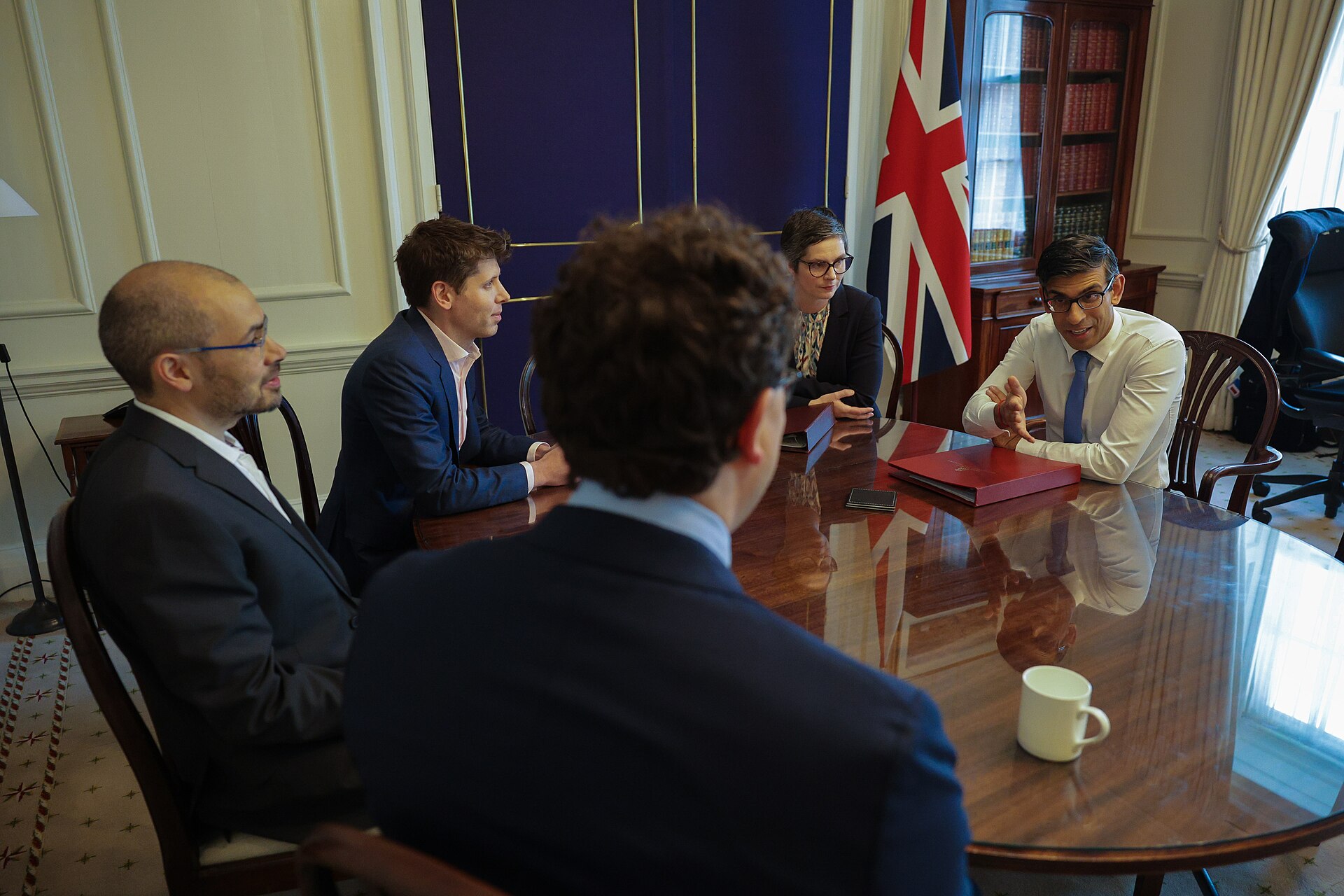
OpenAI chief executive Sam Altman said "It's hard to imagine the AI industry without Jensen" on Wednesday, November 18, 2026, speaking onstage at the New York Times DealBook Summit. TechCrunch reported the remarks, which referred to Jensen Huang, the chief executive of Nvidia.
Altman tied the comment to Nvidia's early involvement with OpenAI. "Jensen took one of the earliest big bets on us. We took a big bet on Nvidia," he said. The line presents the relationship as a mutual wager: Nvidia committed early to OpenAI, and OpenAI later committed to Nvidia's platform.
Altman and OpenAI President Greg Brockman each said they had spoken privately with Huang. Neither described the content of those conversations in the reported remarks.
Asked about Huang's future at Nvidia, Altman said, "I wish Jensen the best. I wish Nvidia the best." He declined to speculate on whether Huang would return as Nvidia CEO. He said he did not appreciate "everybody on Earth speculating with some random theory."
In my view, the exchange is worth reading as much for its restraint as for its warmth. Public comments about a supplier's leadership can move expectations quickly, particularly for a company whose share price and partner relationships are closely watched. Altman's refusal to engage with succession speculation keeps the discussion on the working relationship rather than on personnel, which is a narrower and more verifiable subject.
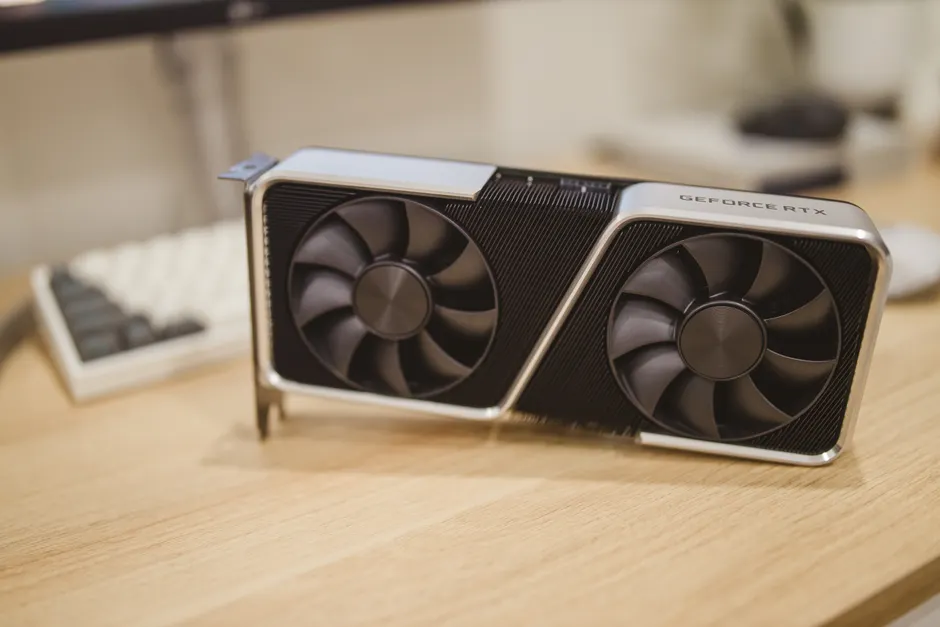
The broader context here is the dependence between frontier model developers and accelerator suppliers. Training and serving large models consume enormous quantities of GPU capacity, meaning graphics processing units repurposed for parallel matrix math. The terms on which that capacity is secured shape what labs can build and how quickly they can ship it. An executive describing a supplier's early role as a "bet" is describing a commitment made before the demand was proven, which is a different kind of relationship from a standard purchasing contract.
For practitioners, there is no new technical detail, no product announcement and no change in commercial terms. The two companies' leaders are describing their relationship in public as collaborative and long-standing, and both sides are signaling a preference for continuity.
The more consequential question is whether that continuity survives the next phase of scaling, when inference economics, custom silicon efforts and supply constraints pull buyers and suppliers in different directions. The DealBook remarks do not answer that question. At least at the level of stated intent, the two organizations still regard each other as central to their plans. In my view, that is a reasonable starting point for anyone trying to judge where the relationship goes from here.