AI Model Helps Researchers Find a Flaw in Java's Base64 Decoder
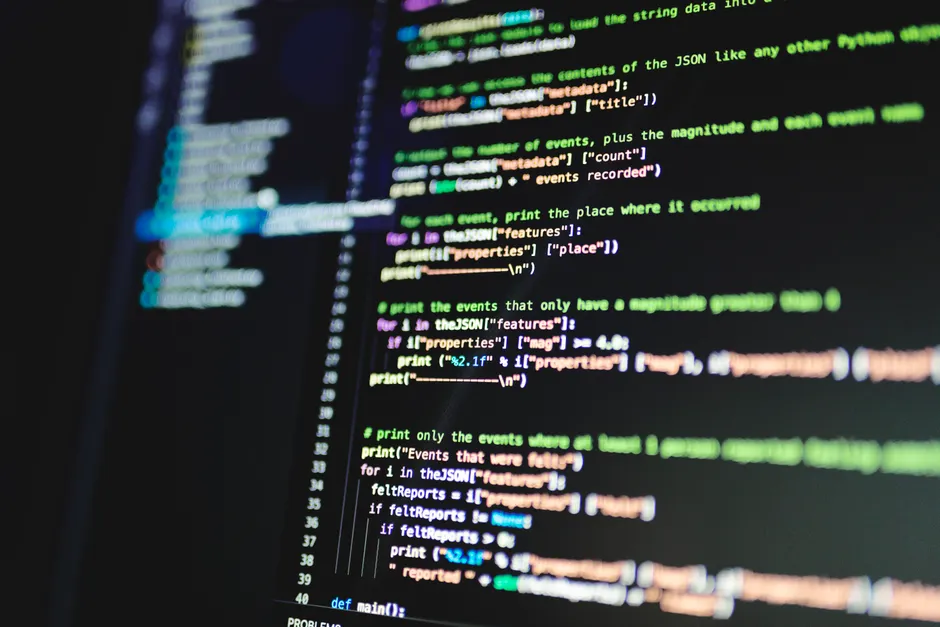
Researchers at cybersecurity startup Calif found a flaw in Java with help from OpenAI's GPT-6 Cyber model, which is not yet publicly available (Engadget).
The flaw sits in Java's base64 decoder, the component that converts base64-encoded text (a common way of packing binary data into plain characters) back into its original form. Passing the decoder a string of 64 "A" characters followed by an equals sign triggers a memory error on some machines. The usual outcome is a crash. Calif has also shown that the bug can be exploited to gain full unauthorized access to the system. It demonstrated the attack path against Keycloak, a widely used login system that protects organizations including CERN and NASA.
Java is used by about 90 percent of Fortune 500 companies, and it underpins platforms for banks, hospitals, airlines and government agencies. The bug's reach therefore extends well beyond any single product. An operator running a Java-based identity stack has the same exposure as one running a fringe application.
Calif stated that the Java bug is not easy to weaponize. The company also estimates it could linger for five to 10 years, a timeline that suggests the defect may remain in deployed runtimes long after a fix is available. Calif's account of how it reached the bug, using a model not yet available to the public, is the element most likely to draw attention from the security community.
Oracle shipped a critical patch update on Tuesday, but the update did not specifically mention this Java bug. The Cybersecurity and Infrastructure Security Agency has told organizations to patch their systems immediately.
For administrators, the advisory mechanics matter. Oracle's security alerts page lists fix announcements in Critical Patch Update Advisories, Critical Security Patch Update Advisories, Security Alerts and Bulletins. A Critical Patch Update bundles patches for multiple security vulnerabilities. It covers flaws in Oracle code and in third-party components bundled into Oracle products, is usually cumulative, and is available to customers with valid support contracts. Oracle releases these updates on the third Tuesday of January, April, July and October, and publishes a pre-release announcement on the Thursday before each one (Oracle).
The next four scheduled dates are 19 January 2027, 20 April 2027, 20 July 2027 and 19 October 2027. The October 2026 Critical Patch Update is listed as Revision 3, dated 4 November 2026, and the July 2026 update as Revision 7, dated 20 August 2026. The Tuesday release that Engadget describes falls outside that calendar, since it was not one of the scheduled quarterly updates named here. An operator therefore cannot assume the Java fix is documented under the scheduled advisory titles alone.
In my view, the practical question for operators is not whether a patch exists but whether their Java runtimes contain the fix, and whether they can establish that from vendor advisories that do not name the bug. Because updates are cumulative, inventory and verification become the work that matters. A team that cannot list every Java Runtime Environment (JRE) and Java Development Kit (JDK) instance across its estate, including those embedded in vendor appliances and third-party software, will struggle to confirm exposure.
The broader context here is the method. Finding a memory-safety defect in a mature, heavily scrutinized library with a model's assistance differs from a human researcher finding the same bug unaided. Calif's claim that the bug is hard to weaponize is also one the community will test. The same tooling that surfaced this flaw could, in principle, help find and fix others before attackers do, and that is the outcome defenders will be watching for.


