Nvidia's $8,300-a-Second Profit Meets a Falling Market Cap
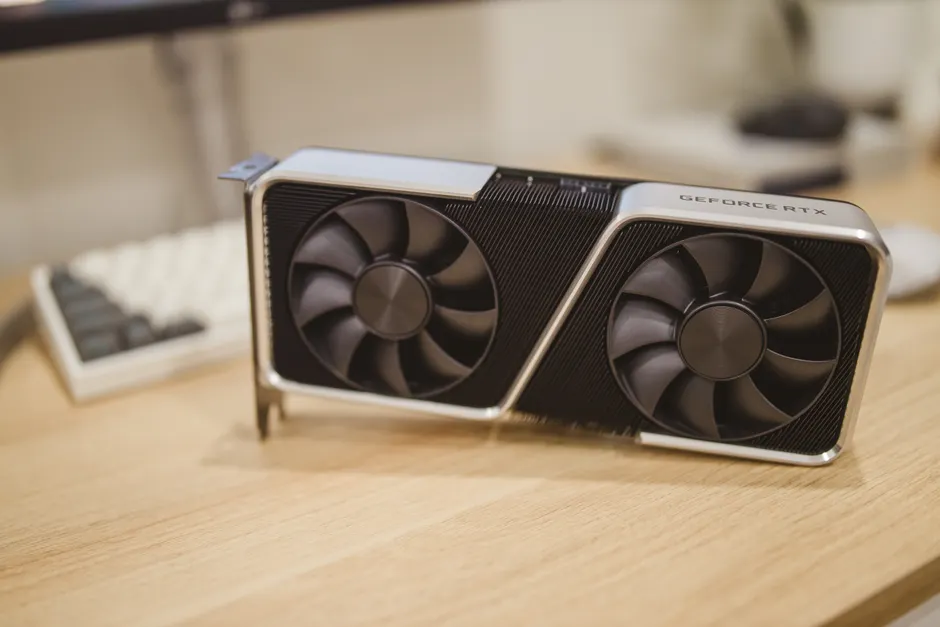
Nvidia makes $8,300 in pure profit every second, according to The Verge's analysis of the company's financials. That averages about $700 million a day, or more than $200 billion a year.
The per-second figure is extrapolated from quarterly results. Nvidia's quarterly profit has reached $65 billion, driven by its data center business, which sells the accelerators and systems used to train and run AI models. For comparison, the company's quarterly profit peaked at $1.24 billion during the crypto boom and at $3 billion during the GPU shortage. Those earlier peaks now look like a different scale of business.
Nvidia's market capitalization has moved the other way. It fell from around $5 trillion at the start of November to about $3.6 trillion. The profit run rate and the equity valuation describe the same company over the same weeks, and the gap between them is one of the more striking features of the current picture.
On the company's November 17 earnings call, interim CEO Colette Kress said Nvidia intends to "return all excess free cash flow net of strategic uses to shareholders." That is a stated intent, not a completed program. The call did not, in the material cited here, attach a dollar amount or a payout ratio. Kress is serving as interim CEO because Jensen Huang resigned as founder CEO following a series of scandals, and that leadership transition sits behind the new capital return language.
The wording also differs from earlier framing. Five months before the call, Huang had promised to return a 50 percent baseline to shareholders. The new formulation is built around excess free cash flow after strategic uses, which is a different measure. Whether the two produce similar payouts depends on how the company defines "excess" and "strategic." Neither term is quantified in the statement.
Nvidia employs 42,000 people. A $1,000 investment made 10 years ago is now worth over $67,000, a figure that reflects a decade in which the business moved from gaming and crypto-cycle hardware to accelerated computing for AI workloads.
In my view, the capital return statement is best read as a question about allocation rather than a headline about generosity. Free cash flow is what remains after operating costs and capital spending. A company producing this much has to decide what to keep, what to put into fabrication capacity, networking, software and acquisitions, and what to hand back. The wording leaves that balance to management's judgment quarter by quarter, which gives the company flexibility and gives investors less to hold it to.
The broader context here is the scale of the business relative to its own history. Two decades ago, a chip vendor with this margin profile would have been unusual. Today it sits inside a company whose data center revenue is tied to the buildout of training and inference infrastructure across the industry. For engineers, the demand signal that drives Nvidia's quarters is also the signal that determines how much capacity the rest of the stack gets to buy.
There is an optimistic reading as well. Cash returned to shareholders, or deployed deliberately, can fund the next generation of silicon, interconnect and tooling. If the excess free cash flow language is applied with discipline, it could support both larger returns and continued investment in the platforms developers already build on. Actual distributions against the stated intent will show which way it goes.


