A World Cup, a Red Card Reversal, and a Mayor Talking About Arresting Netanyahu

New York City Mayor Zohran Mamdani told The New York Times in an interview published July 18, 2026, that Israeli Prime Minister Benjamin Netanyahu "belongs in The Hague," and that he was in "an active conversation" with New York regarding Netanyahu. The New York Times headlined a separate piece the same day: "Mamdani Says He May Still Order Netanyahu's Arrest."
Senator John Fetterman warned Mamdani over the arrest suggestion the following day. The Hill reported the senator's remarks on July 19.
The interview landed in the final days of a World Cup that thrust Mamdani onto an unusually global stage. The 2026 World Cup final between Spain and Argentina was held at MetLife Stadium, and Mamdani was in attendance. Al Arabiya reported the matchup; ABC7 NY confirmed Mamdani's presence at the venue.
The final itself produced a controversy that Mamdani entered publicly. In the 37th minute, U.S. striker Folarin Balogun received a red card, which means he was ejected from the match. FIFA subsequently nullified the suspension, the first time since 1962 that FIFA voided a suspension for a red card received during the World Cup, according to The New York Times. Mamdani weighed in on the Balogun red card controversy, as reported by Yahoo Sports on July 7.
The New York Times, in a piece by Tyler Pager and Tariq Panja, connected the red card reversal to a presidential phone call, framing the episode as part of a broader story about an "embattled World Cup." The New York Times published the article under the headline "A Presidential Phone Call, a Lifted Red Card and an Embattled World Cup."
Mamdani's proximity to the tournament was not incidental. He has said that soccer embodies his political identity, and The New York Times explored this connection in an article titled "How Mamdani Sees the World Through Soccer." He appeared on the BBC's Football Daily program, where he discussed Andy Burnham, the World Cup, the Knicks' championship win, and President Trump, according to BBC Football Daily's Instagram on June 28. Ahead of the World Cup final, Mamdani brushed off a question about Donald Trump, per Yahoo Sports.
The Guardian examined how Mamdani and other U.S. mayors used the World Cup as a political platform, publishing its analysis on July 17 with a final edition timed to the World Cup final. The Guardian placed Mamdani's conduct alongside that of other mayors leveraging the tournament.
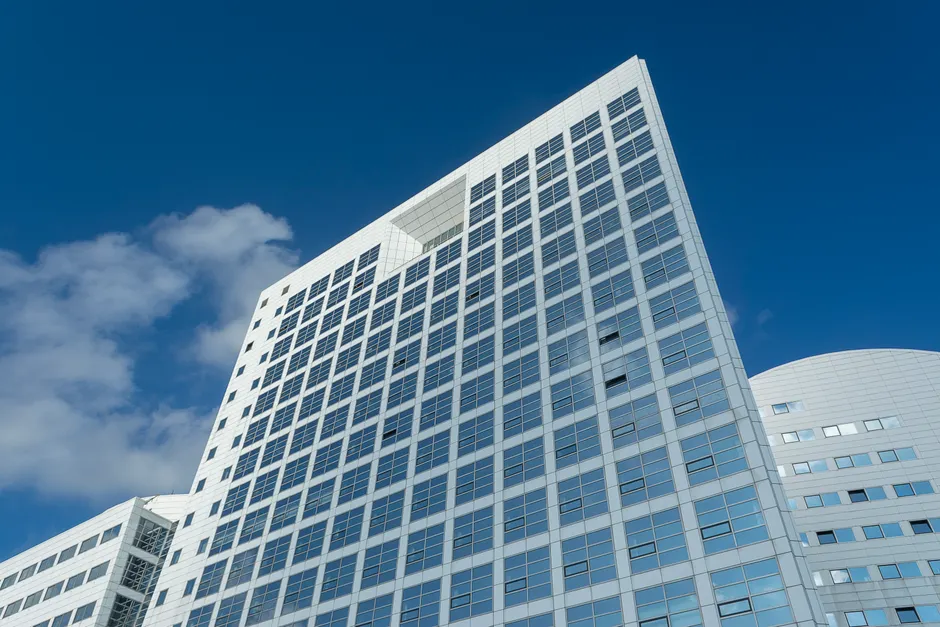
The broader context here is that the convergence of a FIFA disciplinary reversal, a sitting U.S. senator's rebuke, and a New York City mayor publicly musing about arresting a foreign head of government creates an unusually layered diplomatic situation. Mamdani's statement that he was in "an active conversation" with New York regarding Netanyahu signals that the remark was not purely rhetorical, though it remains an expression of intent rather than a completed action. The phrase "belongs in The Hague" refers to the International Criminal Court, which sits in the Dutch city. Mamdani did not specify in the interview what legal mechanism a mayor could invoke.
Fetterman's warning elevates the matter from a local political flare-up to a federal-level concern. Senators generally do not weigh in on mayoral statements unless they perceive broader stakes. The 2026 World Cup, co-hosted across North America, placed a global spotlight on U.S. cities and their mayors, and Mamdani appears to have used that platform to advance positions that reach well beyond municipal governance.
The FIFA red card reversal adds a separate institutional dimension. The Pager and Panja reporting in The Times links the nullification of Balogun's suspension to a presidential phone call, suggesting executive-level involvement in what is nominally a sporting disciplinary matter. The precedent cited, 1962, gives the reversal historical weight. For FIFA to overturn a World Cup red card at all is rare; for the reversal to be tied to political intervention would raise questions about the independence of the sport's governing body, though The Times framed the broader tournament as already "embattled."
Mamdani's soccer-fluent political identity, as he has described it, means his engagement with the World Cup is difficult to separate from his broader political posture. His BBC appearance, his public commentary on the Balogun incident, and his NYT interview about Netanyahu all occurred within the same World Cup window. Whether the tournament amplified his voice or provided him a deliberate strategic opening is a distinction the available record does not fully resolve.