Siri Recap Tests Apple's Privacy Design on the Apple Watch Ultra 4
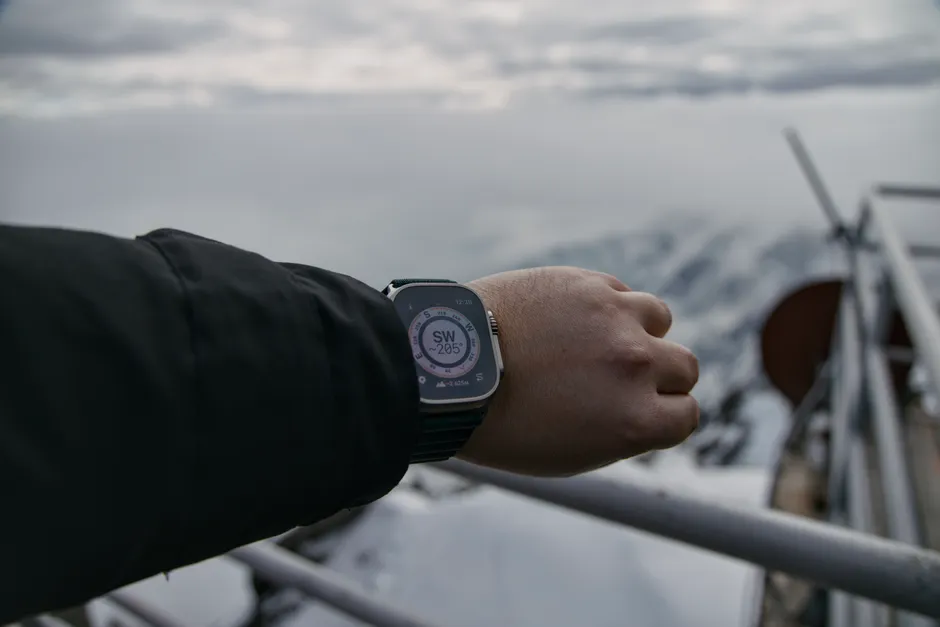
A Verge reporter has tested Siri Recap, Apple's ambient audio summarization feature (background listening that produces a written digest), on the Apple Watch Ultra 4. The reporter separately tested Amazon's Bee Frontier, a wearable that also listens to conversations and summarizes them with AI. The hands-on report, published on 19 November 2026, examines the Siri Recap beta and Apple's approach to privacy. The Verge
Apple positions Siri Recap as a backup notetaker, a way to recall conversations later. The feature is off by default and requires the user to opt in. Once enabled, it can be scheduled to run only at set times and places, for example at the office between 1 and 2 PM on weekdays. It runs only on the 2026 Apple Watch, which carries the S11 chip. Older Apple Watches cannot use it.
The privacy architecture is the part most likely to draw scrutiny from this audience. According to the Verge report, Siri Recap audio is processed inside a secure exclave within the S11, a hardware-isolated enclave (a sealed compartment of the chip that the rest of the system cannot read) that Apple and other third parties cannot access. Most of the processing happens on the device. Any work that goes to the cloud runs through Apple's Private Cloud Compute. The feature does not train on the user's voice.
The data lifecycle is also constrained. Siri Recap saves no raw audio file, and audio is discarded once it has been processed. The resulting summaries contain no viewable transcript that attributes statements to speakers with timestamps. The output is a digest of what was discussed rather than a searchable record of who said what. Unless the user saves a summary, it expires after one, three, or seven days, depending on the setting the user chooses.
The indicator model is where Siri Recap differs most from Apple's existing recording features. Live Rewind, the comparison the Verge draws, signals its activity to the people in the room. Siri Recap gives no outward indicator and plays no audio chime to signal that recording is active. The user knows the watch is listening. The other people at the table may not.
In my view, the technical controls and the social controls here are doing different jobs. The exclave, on-device processing, discarded audio and expiry timers all address what happens to data after capture. None of them address whether the person across the table knows capture is happening. A privacy architecture can be sound on paper and still leave bystanders without the cues they would need to consent in any meaningful way. That gap belongs in the reader's assessment, not in Apple's marketing copy.
The broader context here is a category that is still forming. Amazon's Bee Frontier and Siri Recap on the Watch Ultra 4 both reduce the friction of keeping a record of a conversation. Both also raise the question of who has agreed to be recorded, and how a device signals that agreement. The Verge tested both products.
For a user who wants to recall the outcome of a meeting or a hallway discussion without keeping a transcript archive, the design offers something narrower than a full recording. Summaries are generated locally when possible, do not retain source audio, and lapse on a schedule unless the user intervenes. The open question is whether that restraint becomes the norm for ambient wearables, or whether the industry settles on an explicit signal for bystanders. Either path would shape how these devices are accepted in offices, classrooms and homes, and the engineering to support both already exists.


