Pebble's Index 01: A Non-Smart Ring Built Around One Button and a Microphone
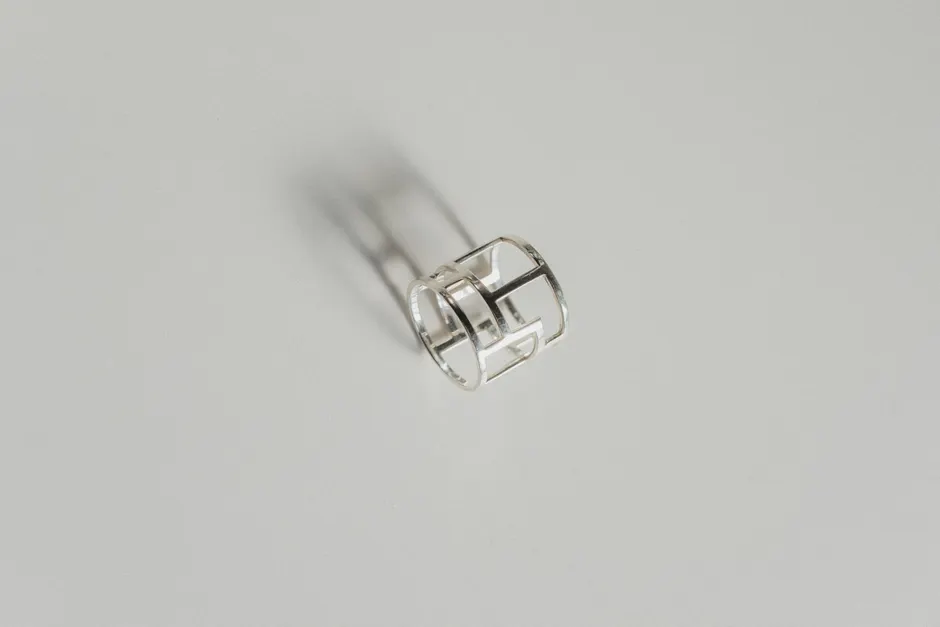
Pebble's Index 01 is a $75 stainless steel ring worn on the index finger, and it is described as non-smart. Its defining control is a single rubber-clad physical button paired with an RGB LED, according to Engadget's review, published on 19 November 2026.
The hardware list is short. The ring contains a short-range microphone, Bluetooth connectivity (the low-power radio link that pairs it with a phone) and a non-rechargeable silver oxide battery, the small button-cell chemistry common in watches. Engadget expects that cell to last between two and three years with use in tiny bursts, which ties the product's lifespan to how often the button is pressed. Pebble notifies owners when the battery is close to running out, offers a replacement, and asks owners to return the existing ring for recycling. The ring is water resistant to one meter. It can withstand handwashing, showers and dishwashing, but it is not intended for swimming.
Voice is the core function. Holding the button and speaking sends the audio to Pebble's homegrown AI Index Agent by default, and users can opt for local processing instead. The mouth must be held less than a foot away to issue a command. Per the review, the command is then processed on the paired phone within about 10 seconds. Supported tasks include voice-created notes, reminders, shopping-list items and timers. Those entries appear in separate panes of the Pebble app labeled Notes to Self, Reminders and Shopping List.
Sizing is limited to US sizes 6 through 13, with a waitlist for sizes 14 and 15.
Pebble CEO Eric Migicovsky hopes the Index 01 will be the first of many small side projects from the revived Pebble, as the review reports.
The broader context here is a design that trades capability for a narrow job. A ring with one button, a microphone and no display has few places to fail, and a non-rechargeable cell means there is no charging habit to maintain. The battery and replacement program turns the device into a serviced consumable rather than something owners charge nightly. That differs from most wearables on the market, and it places the recycling request with the owner at the end of the cycle.
The voice pipeline raises the questions a technical buyer will weigh first. Default processing by a cloud-hosted agent, with a local option, leaves the choice of where audio goes to the user. The sub-foot capture distance and the roughly 10-second turnaround set practical limits on what a finger-mounted microphone can do well. Neither constraint is unusual for a dedicated capture device, but both shape whether the ring becomes a habitual tool or an occasional novelty.
In my view, the most useful way to read the Index 01 is as a test of whether single-purpose voice capture can sit on the hand without a screen or a charger. If it works for notes, reminders and timers, the form factor has a plausible role as a quick-capture input that never needs to leave the finger. The open question for owners is how often the button is pressed, because that will decide when the battery runs down. That answer will be known only after the first two to three years of use.