ChatGPT Now Transcribes Your Voice as You Speak
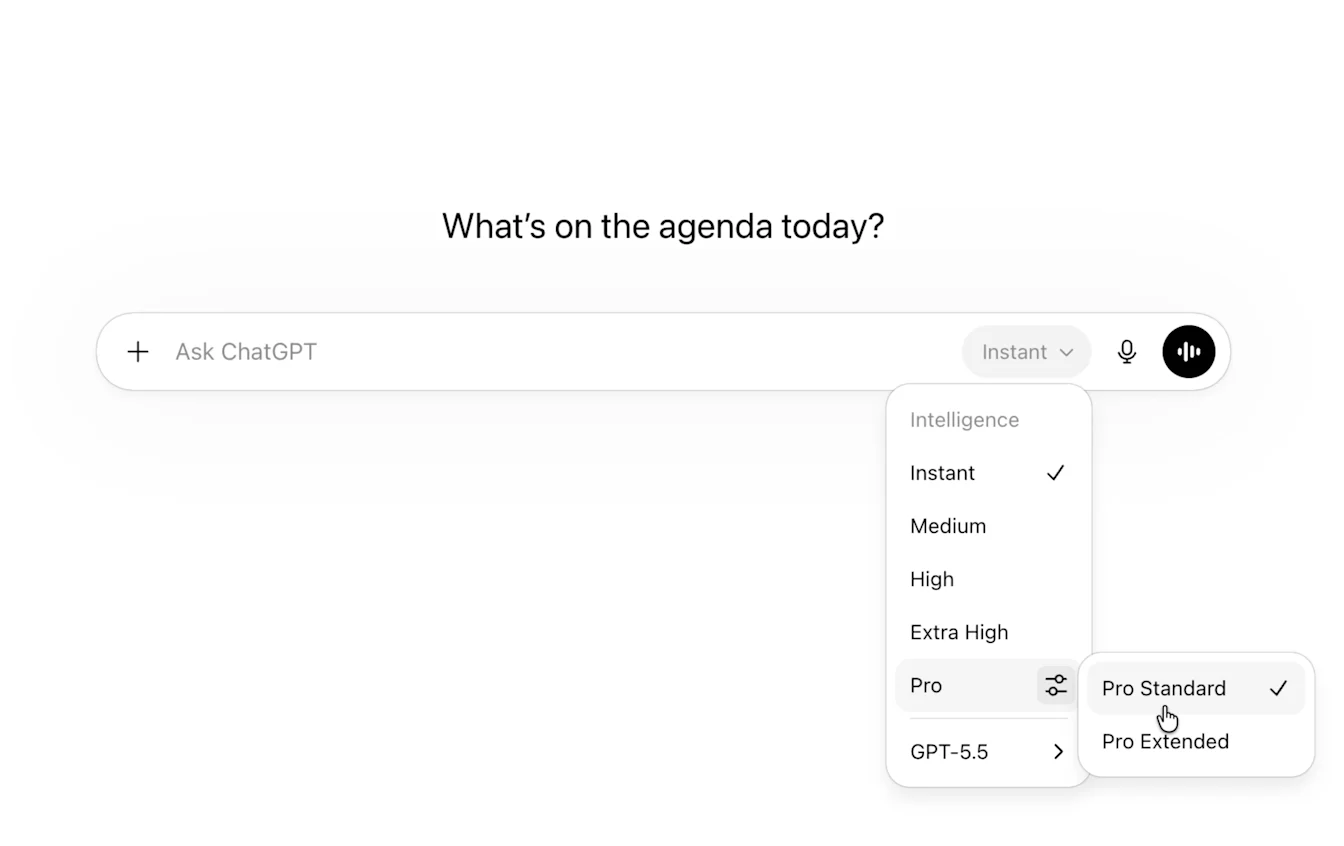
OpenAI is rolling out Live Dictation in ChatGPT, a voice input mode that transcribes speech as the user talks rather than after the recording ends. According to OpenAI's release notes, the rollout covers all ChatGPT plans on the web, the desktop app, and the iOS and Android apps.
The feature changes the feedback loop of voice input. Previously, the transcript appeared only after recording ended. With Live Dictation, the words appear while the user is still speaking, so recognition errors can be seen and fixed before the prompt is finished.
Users reach the live transcript by tapping or clicking the audio waveform. When dictation is done, the transcript can be edited in the prompt box before it is sent. The Verge reported the feature's behavior on 19 November 2026.
OpenAI has also removed the 10-minute recording limit on voice dictation in ChatGPT. Users who dictate long, unstructured prompts, such as a draft email or a multi-part question with supporting context, are no longer cut off at that point.
In my view, the more important change is the editing step rather than the transcription itself. Speech-to-text, also called automatic speech recognition, has been available in many products for years, and the accuracy of any single pass still depends on accents, background noise, and domain vocabulary. A live transcript that can be corrected in the prompt box before submission moves the review step to where the user can act on it. The dictated prompt is no longer sent blind. The trade-off is that a transcript that scrolls past quickly is easy to skim, and a user who speaks a long prompt without checking the text can still submit an error.
The broader context here is that voice is becoming a first-class input for general-purpose assistants rather than a secondary option. Speaking is most useful on phones, where typing long prompts is slow, and on desktops, where a user may prefer to think aloud while working. Because the rollout spans web, desktop, and both major mobile platforms, the same dictation behavior should be available wherever a user already works with ChatGPT.
What this enables is fairly concrete. Users can draft longer prompts by speaking, correct the transcript in place, and send a finished request without switching to the keyboard. For people who think more fluently out loud than on a keyboard, that is a practical gain, and it lowers the cost of giving an assistant more context. Whether the feature changes how people write prompts over time is a question that usage will answer.