Sci-fi short Aurora goes black and white, with a lone astronaut and no way home
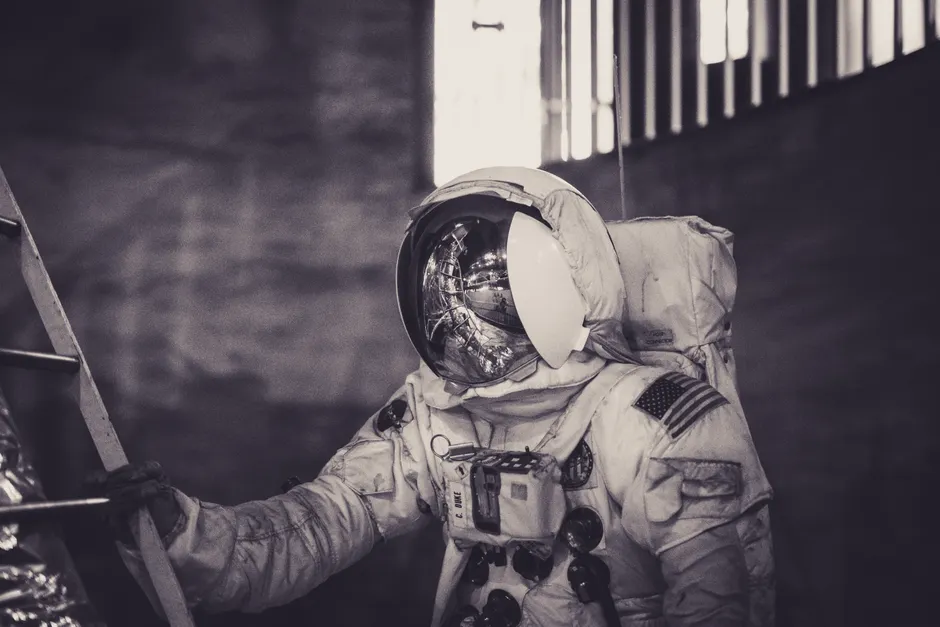
Angad Aulakh's lifelong fascination with space has become Aurora, a short science-fiction film shot in black and white. Aulakh and the film's Guy Kent described how it was made in an interview with Deadline.
Kent plays astronaut Freddie Ballard, who is sent to investigate a mysterious signal. The mission goes wrong. An accident leaves Ballard as the sole survivor, stranded with no way home.
Being alone is only part of the story. Ballard begins to doubt what his superiors told him before he left. The film turns on that growing unease, rather than on the signal alone.
The look is deliberate. Aurora's visual world draws on German Expressionism, the 1920s film movement known for sharp shadows and angular, distorted sets. It also borrows from retro-futurism, the style that pictures the future the way earlier generations imagined it. Black and white sits at the centre of that approach.
Aulakh also said that no artificial intelligence (AI) was used to make Aurora. In an industry where AI tools are increasingly part of production conversations, that is a clear statement of method.
For Aulakh, the project grows out of a long-held interest in space rather than a single idea that arrived all at once. That personal starting point runs through the whole film, from the solitary astronaut to the story's questions about trust and authority.
What comes next for Aurora, including where and when it will be shown, was not set out.


