A Cluster of Outages and the Question of Y2K Déjà Vu
TechCrunch published an analysis on November 19, 2026 asking whether a run of airline booking, banking and productivity outages that occurred close together was coincidence. The piece calls the pattern an "AI-native Y2K" and draws on comments from security executives about what may lie behind it.
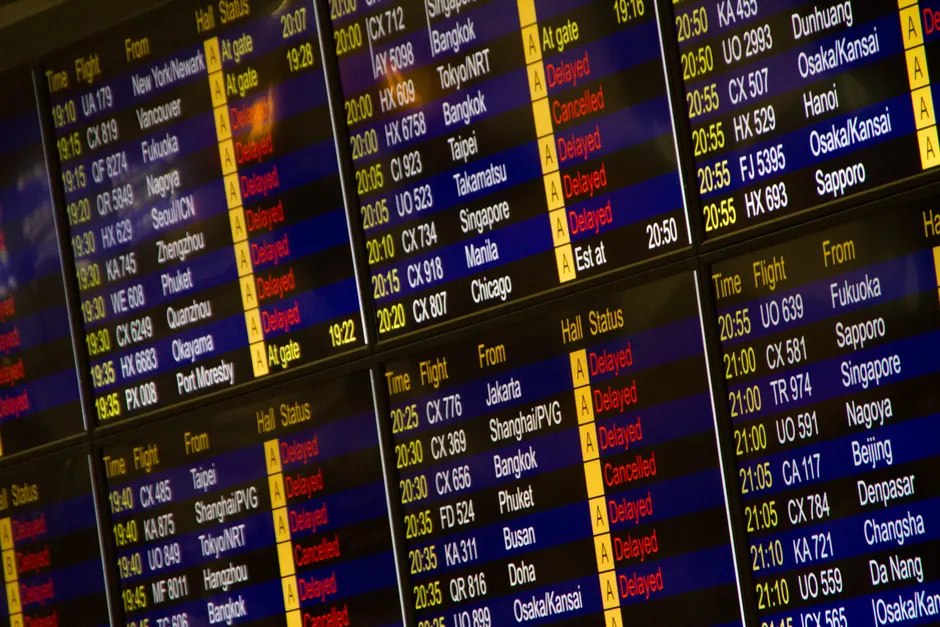
The incidents span several sectors. The Federal Aviation Administration grounded all flights for hours, the third such grounding since 9/11. A Microsoft outage took down Outlook, Teams and Copilot for nearly two days. Apple Pay went down in the two weeks before November 19, and NASA's internal communication network went down in the same window. The article links the airline booking disruptions to this group.
Dave DeWalt told TechCrunch that the outages were growing pains of a security system getting stronger, not weaker. He argued that AI is surfacing vulnerabilities at unprecedented speed and scale through tools such as Mythos, and that the resulting surge in patching, the emergency fixes applied to software flaws, is producing short-term disruptions. That is a specific causal claim: the disruption comes from remediation work, not from the vulnerabilities themselves or from attacks exploiting them.
Anusha Iyer, founder of the security startup Corsha, took a different angle. She told TechCrunch that industrial systems were never designed to be connected, let alone securely connected as they are being pushed to be today. Her point concerns architecture rather than patch volume. Operational technology (OT), the control systems in factories and utilities that were built on assumptions of isolation, is now being integrated into networks and cloud services, and retrofitting security into those environments is slow work.
Several of the affected companies said their outages were caused by technical issues, not by cyberattacks or AI-driven attacks. That distinction matters for the Y2K framing. The 1999 analogy implies a shared, dated defect. The explanations so far point in different directions: a patch surge in one account, architectural exposure in another, and ordinary technical failure in the companies' own statements. Those accounts are not mutually exclusive, but they are not one story either.
The broader context here is the mechanics of remediation. When vulnerability discovery accelerates, the work that follows lands on production systems that cannot be taken down casually. Airlines, banks and enterprise collaboration platforms run under tight change windows, and an emergency patch applied to a live system can break dependencies that were never documented. If DeWalt's reading is correct, the disruption is a transitional cost of finding flaws faster than they can be fixed cleanly. If the outages trace to a different fault, the patch-surge explanation would not account for them.
In my view, the Y2K comparison is more useful as a question than as a diagnosis. The 1999 problem had one known defect and a fixed deadline, which let the industry inventory and test against a single target. The incidents described here have neither. What they share is timing, and timing alone is a thin basis for a causal claim, even when the cluster is unusual.
The direction of the underlying trend is clear. AI-assisted vulnerability discovery is shortening the interval between a flaw existing and its being found, which compresses the time available for testing, change control and rollback. The operational discipline needed to absorb that compression is still being built.
The optimistic reading is also the one the evidence supports most directly. If flaws surface faster, they can be closed faster, and the systems that emerge from a disciplined remediation cycle should be harder to exploit than the ones that preceded it. The hard part is getting through the cycle without stranding travelers, bank customers and engineers along the way.