GTA 6 Wanted System: Witnesses, Alarms and the Heat That Lingers
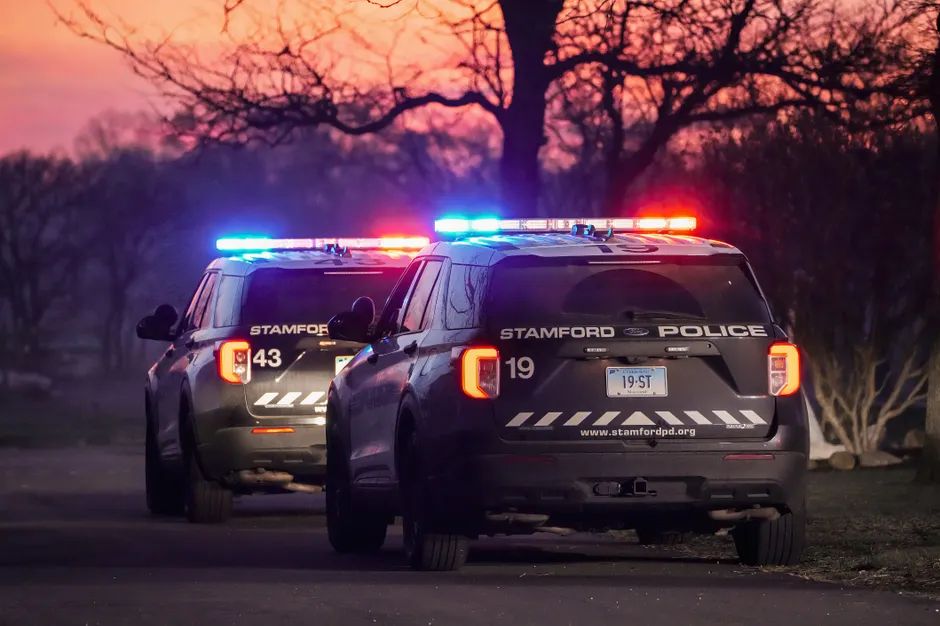
In GTA 6, a robbery does not automatically raise the player's Wanted level. According to Engadget, a crime must either be witnessed by someone or trigger an alarm before it is reported to police and provokes a Wanted response.
That sets the game's dispatch logic apart from a model in which every offence is automatically known to law enforcement. Rob Nelson, co-studio head at Rockstar North, told IGN that the game's dispatch is extremely specific about what it knows. In practice, the police response is tied to a reporting event rather than to the act itself, so a player can commit a crime without the system registering it as a police matter.
The Wanted scale has also changed. GTA 6 caps the Wanted level at six stars, one more than the five-star maximum in GTA 5. The six-star scale returns to a rating system used as far back as GTA III, which had been dropped in the titles in between. The extra star gives the escalation curve more headroom.
Visual feedback reflects the line-of-sight state of the chase. Wanted stars appear solid white when police have direct line of sight with the player. Once the player breaks that line of sight, the stars begin flashing white. Think of it as a status light from dispatch: the difference shows at a glance whether officers can currently see the player, which matters when a pursuit moves through buildings and other terrain that blocks sight.
The most structural addition is a new concept called Heat. Heat is the information police learn about the protagonists, Jason and Lucia. Unlike the Wanted level, which tracks the current pursuit, Heat can linger after the stars drop, carrying memory of earlier encounters into later ones. Players who have been identified by officers may find that the response to them does not reset when the stars clear.
In my view, the pairing of witness-gated reporting and persistent Heat shifts the consequences of a crime from the moment it happens to what the police have come to know. A robbery that goes unseen may carry no immediate penalty, while a minor incident that is observed can have effects that outlast the chase. That is a more legible model of consequence than a simple crime-and-response loop, but it also asks players to track what they have been seen doing, not only what they have done.
The broader context here is that open-world games have long struggled to make enforcement feel both responsive and fair. A system that models knowledge, witnesses and alarms rather than raw actions is a design choice with trade-offs in predictability and player agency. How well those trade-offs land will depend on how the mechanics behave across the full game. For now, the design details point to a Wanted system built around what law enforcement is able to perceive and remember.