Ray-Ban Meta Gen 3 Smart Glasses Start at $449
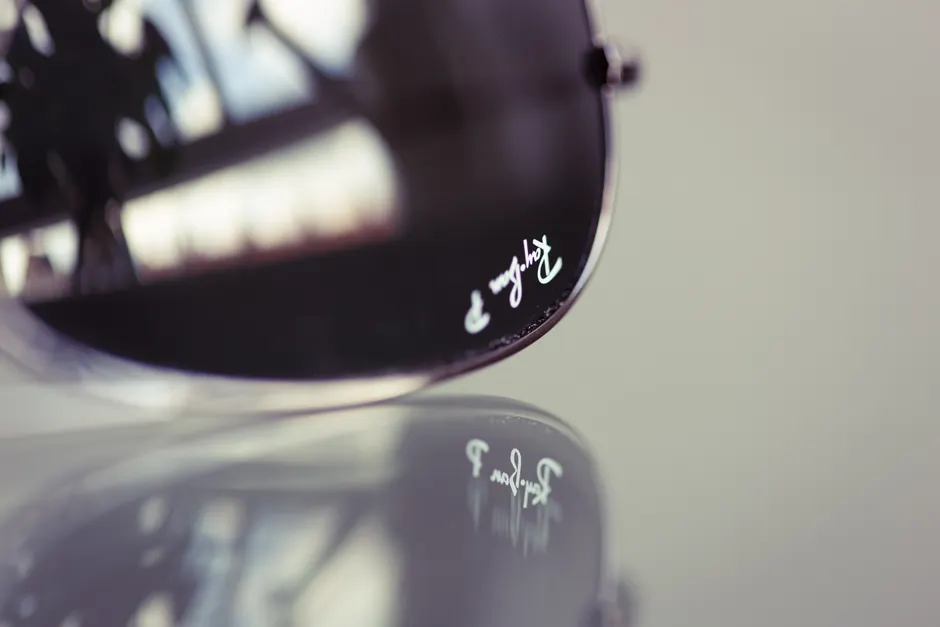
The Ray-Ban Meta Gen 3 smart glasses start at $449, according to Engadget's review of the device, published on November 20, 2026.
The third generation comes in three frame styles: Wayfarer, Zena and Aviator. Zena is new to the lineup, a cat-eye silhouette that sits alongside the established Wayfarer and Aviator shapes. The Zena and Aviator versions start at $529, which is $80 above the base price of the Wayfarer configuration.
Battery life is the most concrete change in the hardware specification. The frames run for up to 9 hours on a single charge, and the charging case supplies an additional 50 hours. The review places the Gen 3 battery life about one hour longer than that of the Gen 2. For a camera-and-audio wearable worn through a working day, that gain is incremental rather than transformational. It does push frame runtime to the point where a mid-afternoon top-up becomes routine for most users.
The glasses also carry a customizable action button. It triggers a user-assigned action without a voice command, giving the device a physical, non-verbal input path. Voice has been the primary control surface for Meta's smart glasses. A dedicated button covers situations where speaking aloud is impractical or socially awkward, such as on a crowded train or in a meeting.
Fit varies by frame family. Aviator frames are 10mm wider than the smallest Gen 3 Wayfarer frames, so the range of head widths the lineup covers depends on the style chosen. Buyers with narrower faces who are considering the Aviator should check the dimensions before ordering, since the wider bridge and lens footprint are not interchangeable with the Wayfarer.
In my view, the more interesting element is the pricing structure. The $449 entry point and the $529 tier for Zena and Aviator make frame style a cosmetic decision with a price attached, rather than a question of feature access. Whether that separation holds across the rest of the lineup is something the market will answer over time.
The broader context here is the input problem that all head-worn devices face. A camera and microphone on the face can capture a great deal, but every interaction still needs a way to start, stop and confirm an action. A programmable button, a voice assistant and a battery that lasts a full day are three separate answers to the same question: when and how is the wearer in control? The Gen 3 offers all three, and the trade-offs among them will shape most of daily use.
For developers and enterprise buyers, the relevant details are the price floor, the frame options and the runtime figures. For consumers, the decision is narrower: which shape suits the face, how much battery margin the day requires, and whether a physical button is worth more than a voice prompt. The specifications answer the first two questions directly. The third depends on the habits of the person wearing them.