FDA Reverses Cyclospora Finding on Taylor Farms Lettuce: The Recall That Shouldn't Have Happened
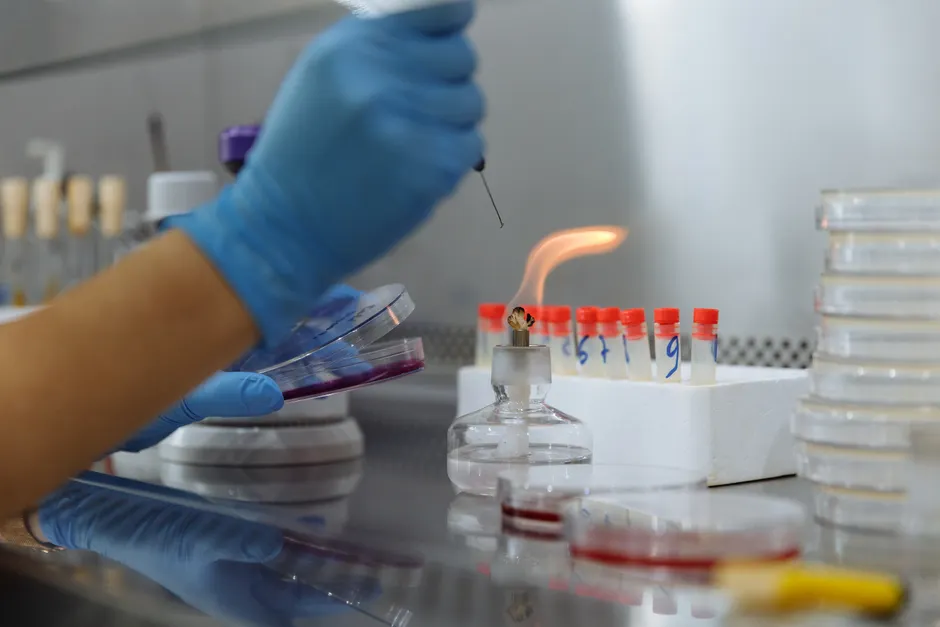
The FDA has determined that a Cyclospora test on iceberg lettuce supplied by Taylor Farms de Mexico was a false positive, reversing the basis for a multi-state outbreak investigation and a recall that pulled product from five states, according to reporting from July 20, 2026 (Forbes, Fox Business).
A false positive means a test result indicates the presence of something — in this case, the parasite Cyclospora — when it is not actually there. The FDA notified Taylor Farms of the revised finding. In an updated statement published July 19, Taylor Farms disclosed that the FDA had apologized to the company regarding the investigation (Taylor Farms Newsroom).
The chain of events began on July 17, 2026, when Taylor Farms de Mexico recalled all iceberg lettuce sourced from central Mexico. The action came as the CDC and FDA investigated a Cyclospora outbreak across five states: Indiana, Kentucky, Michigan, Ohio, and West Virginia (CDC). The CDC advised consumers not to eat shredded iceberg lettuce from Taylor Farms de Mexico sold at Taco Bell locations in those states (CDC Investigation Update). Taylor Farms de Mexico, based in Guanajuato, Mexico, voluntarily removed all iceberg lettuce sourced from central Mexico from the U.S. market.
Taylor Farms stated that it had stopped receiving product from the implicated lot and suspended distribution of affected products (Taylor Farms Recall Page). In its initial outbreak statement, published July 19, the company also noted that the FDA had not identified a single positive product test result for Cyclospora (Taylor Farms Statement).
The FDA's press announcements page carried a recall alert linking to the outbreak investigation, dated July 17, 2026 (FDA Press Announcements). The CDC published its outbreak investigation page on July 18, along with a separate investigation update page the same day (CDC Outbreak Page, CDC Investigation Page).
The false positive determination closes the loop on a sequence that moved rapidly from epidemiological association to recall to retraction. The initial test result linked Taylor Farms lettuce to the Cyclospora outbreak; the FDA's revised finding invalidates that link. No verified facts indicate whether the CDC's outbreak investigation itself remains open or has been formally concluded.
The broader context here is the operational cost of a regulatory testing error for food industry supply chain participants. A false positive on a pathogen screen — the kind of test used to detect harmful microorganisms in food — triggered a recall across a five-state footprint, removed product from a major quick-service restaurant chain, and required public remediation by both the agency and the supplier. Taylor Farms' disclosure that the FDA apologized is notable; agency apologies to regulated entities following a testing reversal are uncommon in food safety enforcement and may carry implications for how similar future determinations are communicated publicly.
For investors monitoring foodservice and produce supply chains, the relevant data points are narrow but concrete. The recall affected a single product category (shredded iceberg lettuce), a single supplier (Taylor Farms de Mexico), a single sourcing region (central Mexico), and a single foodservice customer footprint (Taco Bell across five states). The false positive reversal means the contamination premise underlying the recall has been withdrawn by the testing authority. What remains unaddressed in the verified record is the status of the underlying Cyclospora illness reports in those five states and whether an alternative source has been identified.
Cyclospora cayetanensis is a coccidian parasite — a single-celled organism that can cause intestinal illness when ingested through contaminated food or water. Foodborne outbreaks in the U.S. have historically been associated with fresh produce, particularly leafy greens and herbs, often linked to sourcing regions with specific seasonal risk profiles. The CDC maintains active surveillance for Cyclosporiasis through its Foodborne Diseases Active Surveillance Network (FoodNet) and outbreak-specific investigation pages, which is how the July 2026 outbreak was publicly tracked before the test result was overturned.
The FDA has not yet published a corrected press announcement on its press announcements page reflecting the false positive determination, based on the verified source record as of July 20, 2026.


