Meta's $13 Billion Texas Data Center: What the Financing Tells Us
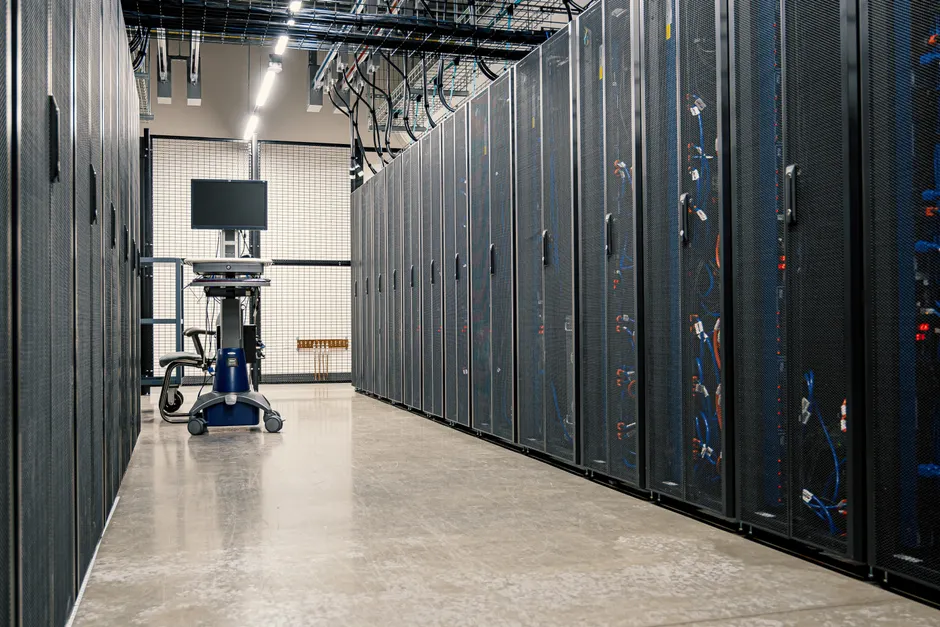
Meta Platforms Inc. is putting together a financing package for a data center in El Paso, Texas, that could reach roughly $13 billion, with Morgan Stanley and JPMorgan tapped to lead the arrangement, according to a Bloomberg report published May 5, 2026 (Bloomberg).
The financing round follows Meta's October 2025 announcement that it is building a gigawatt-sized data center in Texas (Bloomberg). The facility is slated to have 1 gigawatt of capacity dedicated to powering high-end computing chips for AI-related projects (Bloomberg). A gigawatt, for context, is roughly the output of a large nuclear reactor — enough to power hundreds of thousands of homes. In this case, all of that power would go to running the specialized processors that train and run AI models.
The $13 billion figure attached to the El Paso financing package stands out for its sheer size relative to typical data center spending. A single gigawatt of power capacity, depending on how densely packed the computing equipment is and the cost of advanced AI chips, can absorb tens of billions in total build cost once you add up land, building construction, power infrastructure, cooling systems, and the GPU fleet itself. The financing package, as reported, covers the facility build-out; the chip procurement costs may sit on Meta's own balance sheet or in separate leasing arrangements, though the sourcing on that breakdown is not specified in the verified reporting.
What is clear from the reporting is that Meta is turning to bank-led financing rather than self-funding the entire project from its own cash. Morgan Stanley and JPMorgan's involvement points toward a syndicated debt arrangement — meaning the banks would gather a group of lenders to share the risk, likely through a combination of term loans (loans paid back over a set period) and possibly bridge facilities (short-term loans that could later be replaced by bonds or other longer-term financing). For institutional lenders, gigawatt-scale AI infrastructure deals represent a relatively new asset class. The credit story here depends less on traditional real estate cash flows and more on how strategically valuable that computing capacity is to Meta.
The broader context here is the accelerating capital cycle among hyperscalers — the handful of tech giants including Meta, Google, Microsoft, and Amazon that operate at such massive scale they can overwhelm entire markets. These companies are racing to build AI computing capacity. Meta's Texas facility fits into a pattern of large-scale data center announcements driven by demand for the infrastructure needed to train AI models and run them in production (a process called inference). A gigawatt-scale site is at the upper end of what is currently being built, and securing that much power is itself a gating constraint on the project timeline. El Paso's power grid characteristics and the availability of generation capacity in the region are not detailed in the verified sources, but the site selection implies that Meta has determined the power procurement path is viable.
For fixed-income investors and bank credit desks, the deal is worth tracking on several fronts. The size of the financing package, the tenor (the length of the loan), the pricing (the interest rate), and the security structure will collectively set a reference point for how subsequent hyperscaler data center loans are underwritten. If the package is syndicated broadly, it will also reveal how institutional investors are pricing the risk of AI infrastructure assets, where the computing equipment may lose value on a very different timeline than the building and power infrastructure that houses it.
For Meta's equity holders, the financing choice signals that the company is willing to use borrowed money for specific infrastructure projects rather than absorbing the full capital cost against earnings. That has implications for the pace at which AI-related capital spending flows through the income statement versus sitting as a financed asset with a separate repayment schedule. The structure also matters for Meta's overall leverage profile, though a single $13 billion facility, while material in isolation, must be assessed against the company's total balance sheet capacity, which is not specified in the verified reporting.
The El Paso project remains at the financing stage. The October 2025 announcement established the build intent and the gigawatt capacity target; the May 2026 Bloomberg report narrows the picture to a specific location, a dollar figure, and the banks involved. Construction timelines, power purchase agreements, chip procurement details, and the final execution of the financing package have not been disclosed in the verified sources. What can be said is that Meta is advancing a project whose capital cost is approaching the range where it would rank among the largest single-site infrastructure financings in the data center sector, and the involvement of two of the largest underwriting banks on Wall Street signals institutional conviction in the asset class.


