Sheherazaad's Debut *Khudgarzi* Blends Carnatic, Arabic Folk and Trip-Hop
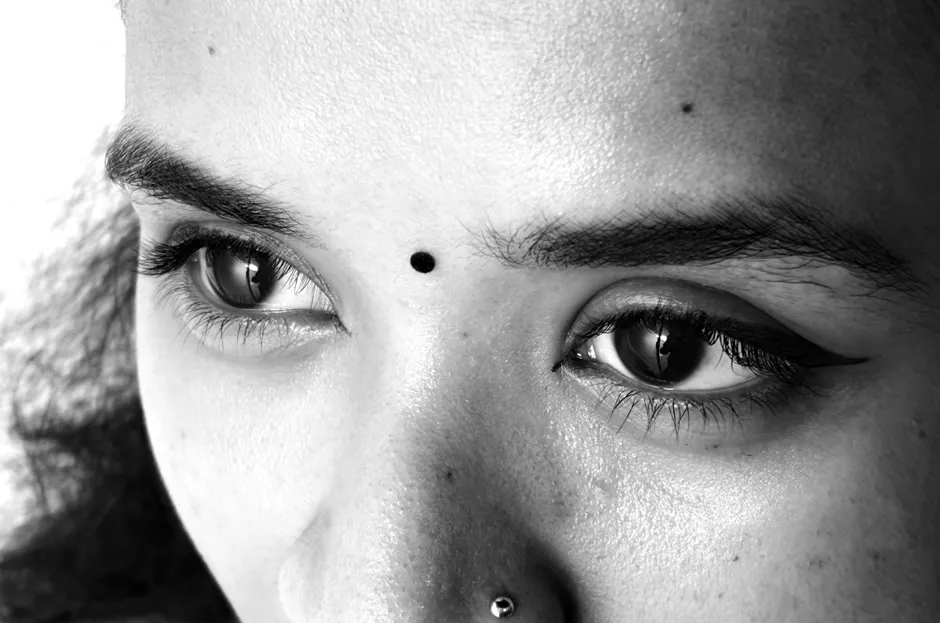
Sheherazaad's debut LP, Khudgarzi, is sung primarily in Urdu. The Verge published a review of the album on 22 November 2026, describing it as a reverb-drenched folk-noir record.
The album follows her earlier EP, Qasr, which was produced by Grammy Award winner Arooj Aftab. Khudgarzi is her first full-length release under her own name, and it carries a wider instrumental palette than the EP's material.
According to the review, the instrumentation draws on Carnatic and Hindustani styles, the two classical traditions of South India and North India. It also incorporates Arabic folk traditions and modern Western electronic music. Tanbur, a long-necked plucked lute, and ghatam, a clay pot played as a percussion instrument, sit alongside trip-hop flourishes and Spaghetti Western guitar. The record was mixed by J. Valleau.
The credits list more than 30 musicians, whom the review describes as genre-chaotic. Named contributors include Ria Modak, Sarathy Korwar, Jay Chakravorty, Shunya and Qasim Naqvi. Two tracks, “Registaan” and “Qatil,” appear alongside “Zeher” in the tracklist.
Khudgarzi is available on Bandcamp and on major streaming platforms, including Spotify, Apple Music, YouTube Music, Deezer and Qobuz. Bandcamp sells the album directly, while the streaming services provide the same release to subscribers and ad-supported listeners. The record therefore reaches audiences through both a direct storefront and the large catalogues.
In my view, the most useful way to approach a record like this is as a long-form listening object rather than playlist filler. Its tonal range runs from the rhythmic and melodic grammar of South Asian classical music to Arabic folk idioms and the production language of trip-hop. A listener who hears only one of those layers will likely miss how they interact, which is why the track-by-track sequencing matters.
The broader context here is a familiar one for independent music. Mixed-genre records with large, loosely organised ensembles have long struggled to fit the metadata categories, the genre and mood tags, that streaming services and recommendation engines depend on. A release that is hard to tag has to rely on word of mouth, reviews and the listener's willingness to follow it across genres. Its availability on both a direct-to-fan platform and the major services gives it two routes to that audience.
What the record makes possible is a single, coherent document of a collaborative approach to sound that crosses regional traditions without collapsing them into one another. Its debut status, its Urdu vocals and the number of players involved all point to a project built on sustained collaboration rather than a solo studio construction. Whether that approach travels beyond its current listeners will depend on those listeners.


