Dozens of NHS hospitals warn that savings demands threaten services

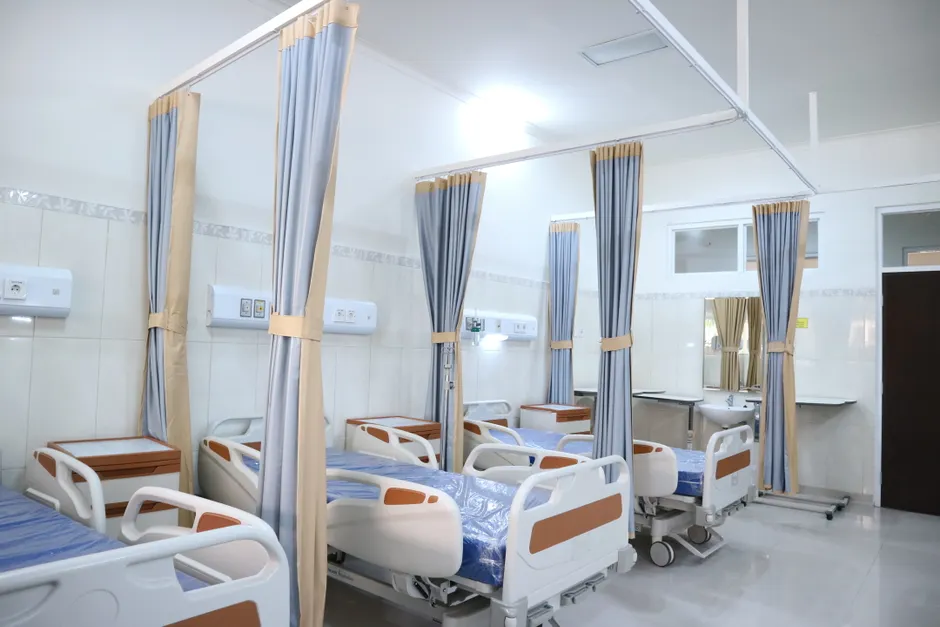
Dozens of hospitals in England are so short of money that they may be unable to keep caring for patients, and many are being forced to make "unpalatable" cuts to services and staff, according to The Guardian, which published the findings on 22 November 2026.
Thirty-one NHS trusts, the organisations that run hospitals and other health services in England, have warned that the budget savings the National Health Service is demanding this year threaten their ability to function normally. All 31 recorded the threat in the risk registers they maintain and publish, which are formal lists of the dangers each organisation faces.
Twenty-seven of the 31 named a lack of money as the biggest threat they face. Six gave the financial danger a score of 25, the highest possible rating. Those six include the North Midlands, Gloucestershire, and Doncaster and Bassetlaw acute trusts, which run general hospitals, as well as the Birmingham and Solihull mental health trust.
The size of the savings targets is large. King's College Hospital NHS Trust in London is seeking to save £85m this year, while the St George's, Epsom and St Helier hospital group in London has a target of £91m. Some trusts have launched cost-cutting programmes to save as much as £106m each this year.
Some of the cuts are already being felt locally. York and Scarborough Trust said it would shut a 28-bed ward at Bridlington community hospital to help save £1m. Harrogate and District Trust stopped providing out-of-hours GP care, meaning care from family doctors outside normal opening times, in Hambleton and Richmond after 15 years, because it could no longer afford to do so.
Staffing decisions have also had direct effects on patients. In August, people in Kent with cancer waited up to a month for appointments to start chemotherapy, a drug treatment for the disease. The East Kent trust had cut pay rates for extra "bank" shifts, the flexible work staff can pick up on top of their regular hours, and the result was understaffing.