Amazon Puts a $5 Warning on Packages as New York Weighs Delivery Rules
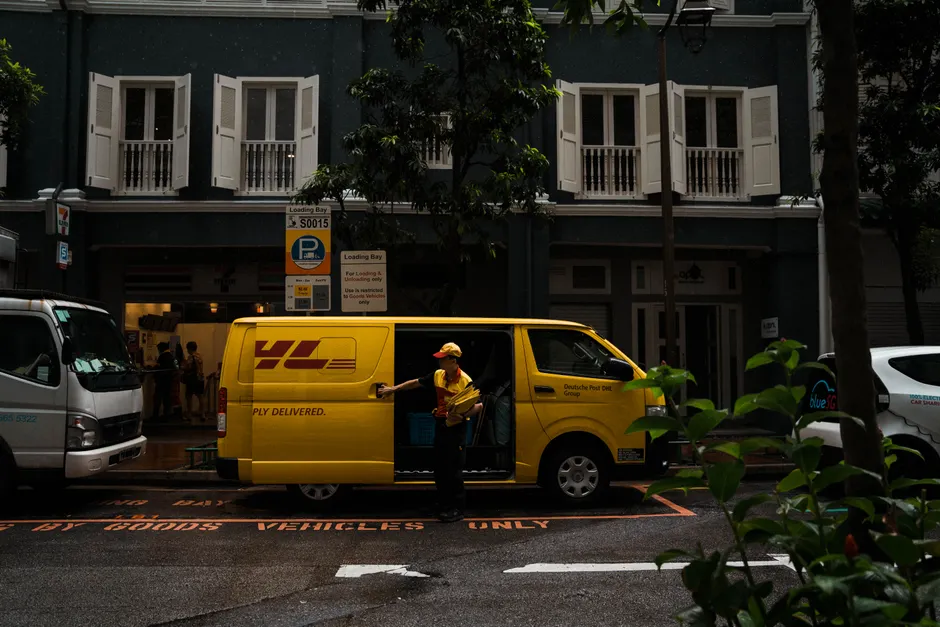
Amazon has applied stickers to packages warning that a New York City Council proposal on last-mile delivery could add up to $5 per order. Each sticker carries a QR code that lets customers contact their representative to oppose the measure, according to Engadget, which reported the campaign on 23 November 2026.
The company has also sent mobile app notifications about possible extra fees tied to the proposal. Both channels reach the customer directly, the person receiving the box and the person opening the app, rather than the legislators who will vote on it.
The proposal is the Delivery Protection Act, designated Intro 518. As described, it would create licensing rules for last-mile delivery operations, the final leg of getting a parcel from a depot to a doorstep. It would also require last-mile delivery workers to be company employees rather than independent contractors. New York City Mayor Zohran Mamdani announced his support for the bill in August.
Amazon has also threatened to move its distribution centers out of New York City to avoid regulation under the act.
The broader context here is worker classification, which carries most of the cost. Employee status brings payroll taxes, benefits, and wage-and-hour obligations such as minimum pay and overtime rules, which an independent contractor model shifts elsewhere. A network built on contracted drivers would face a different cost structure if the bill passed in its current form. The $5 on the sticker is the figure customers see, but the variable beneath it is how many routes a network can run with employees, and how many deliveries each route completes.
The distribution center threat is a question of network geometry, meaning where warehouses sit relative to the addresses they serve. A site's location sets the radius and density of the routes that reach nearby homes, so moving it changes the economics of serving New York addresses from outside the city. Any move would carry its own cost in time, capital, and service levels. The threat puts that trade-off on the table as a bargaining position.
In my view, the stickers and app notices mark a change in how a large platform contests a regulatory proposal. The customer becomes the advocacy channel, and the QR code turns a shipping label into a constituent contact point. Whether that persuades council members, or mainly informs buyers who then weigh in, is something the council's own process will show over time. The campaign does not change the bill's text, which is the document the council will actually vote on.
For delivery workers, the bill's most direct effect, if enacted, would be a defined employment classification and a licensing regime for last-mile operators, replacing a contested status quo with explicit rules. For customers, the open question is whether any resulting costs are passed through, and at what level. For the industry, the case will be read as a test of how far a city can go in regulating the labor model behind same-day and next-day delivery. The proposal is still a proposal. The next council steps will determine whether the per-order figure on the sticker ever becomes a line on an invoice.