Kremlin warns Ukraine of "painful consequences" after attacks on Russian ships in Libya and Baltic Sea

Russia's Kremlin spokesman, Dmitry Peskov, warned on Monday, Nov. 23, that Ukraine will face "painful consequences" for drone attacks on Russian vessels in Libya and the Baltic Sea. His remarks came after Al Jazeera reported on the two incidents.
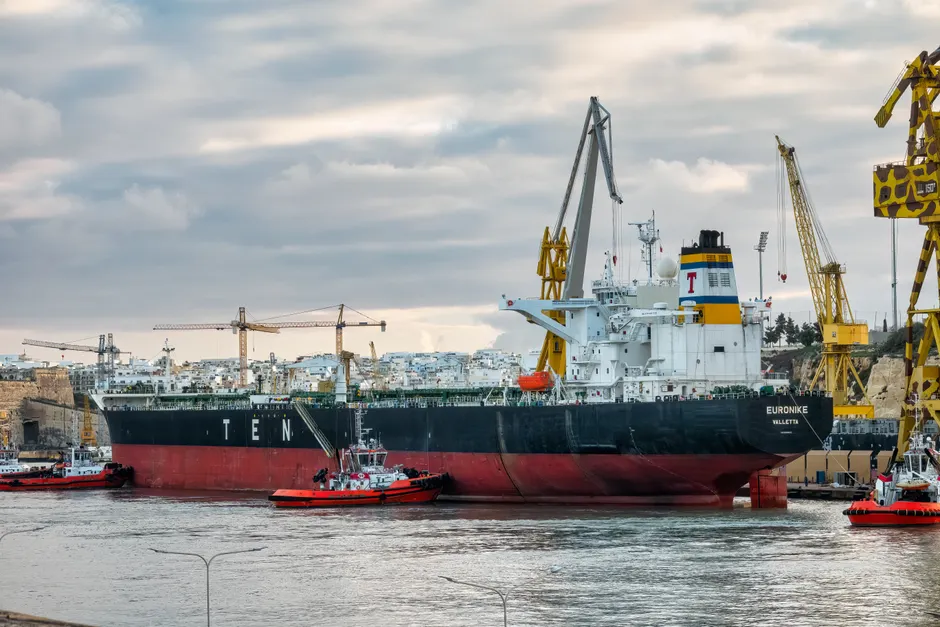
The Baltic attack came first. A drone strike on Saturday set the ship Sparta II on fire in international waters in the Baltic Sea. The vessel was bound for Kaliningrad, a Russian territory on the Baltic coast. Finland's military said Ukraine likely carried out the drone attack. Peskov described the strike as a "very dangerous trend" and as "escalating tensions" in the region.
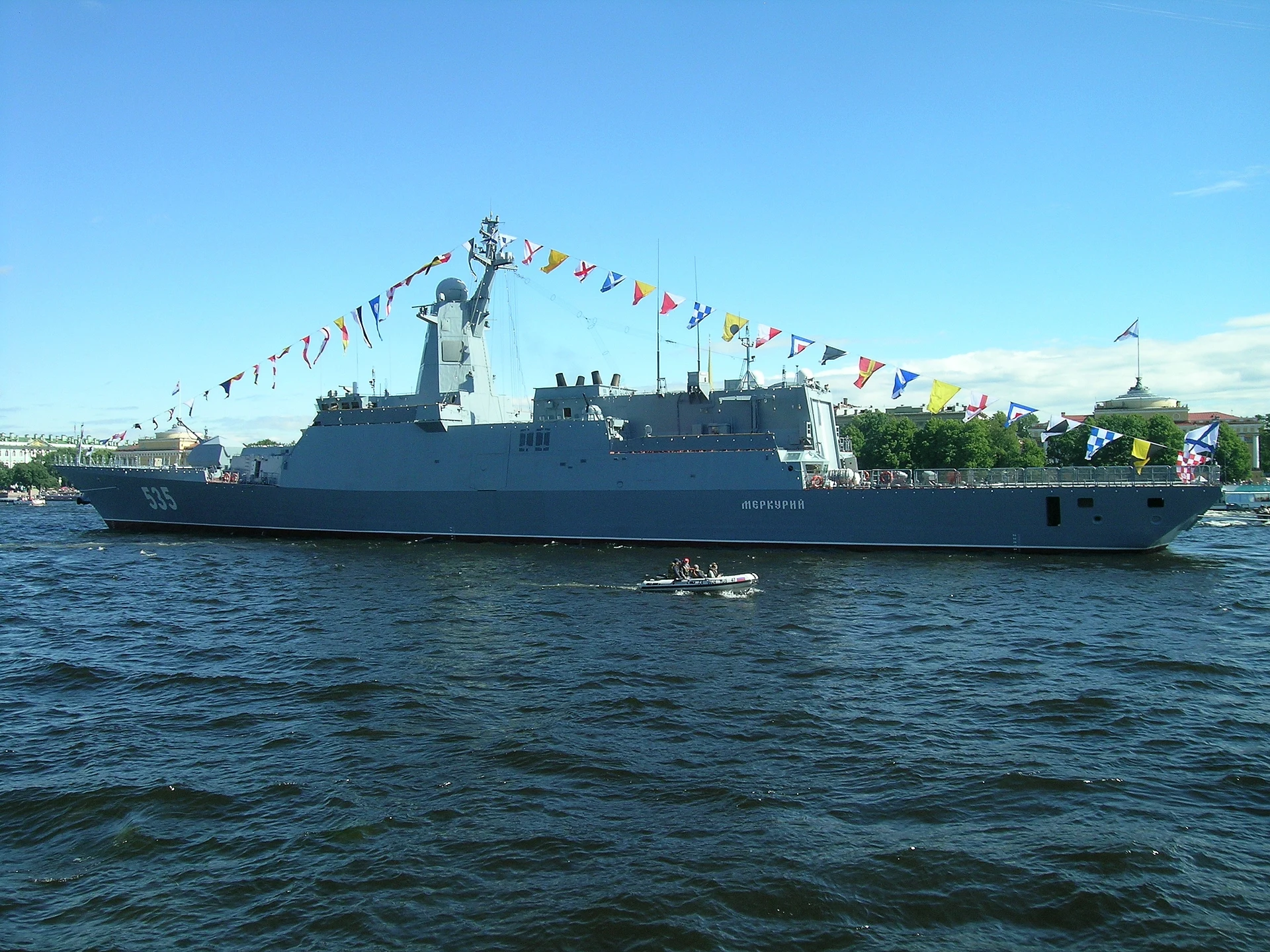
The Libya incident took place at a naval base in Benghazi, a city in eastern Libya. Ukrainian President Volodymyr Zelenskyy said Ukrainian forces sank the Russian corvette Merkury, a small warship, there on Sunday. He also said Ukrainian forces struck a cargo ship that he said Russia used to carry weapons.
Libya's eastern-based government has lodged a complaint with the United Nations, saying the Benghazi attacks violated Libyan sovereignty, meaning the country's right to govern its own territory without outside interference. The same government has called for an international investigation into reports that Ukrainian military personnel were allegedly present in western Libya, the part of the country controlled by a separate administration.
Peskov said Russia's Ministry of Defence was handling the matter of the Ukrainian attacks and would release details if it deemed that appropriate. He said Moscow hoped the Baltic states would use their influence to press Ukraine to stop what he called "terrorist practices."
Separately, Prime Minister Mikhail Mishustin said Moscow would spend 47 billion roubles, about $576 million, on two rail ferries to keep goods flowing to Kaliningrad. The ferries are expected to begin running between the Russian ports of Ust-Luga and Baltiysk in 2030, with most of the cost covered by Russia's rainy-day fund, a state reserve set aside for hard times.
The same day, Dmitry Medvedev, deputy chairman of Russia's Security Council, published an article in which he wrote that Russia has the right, and in some circumstances the obligation, to use every means at its disposal to defend itself. He said this could potentially include nuclear weapons.