Bambu Lab Launches the P3C, a Seven-Tool Desktop 3D Printer at $1,149
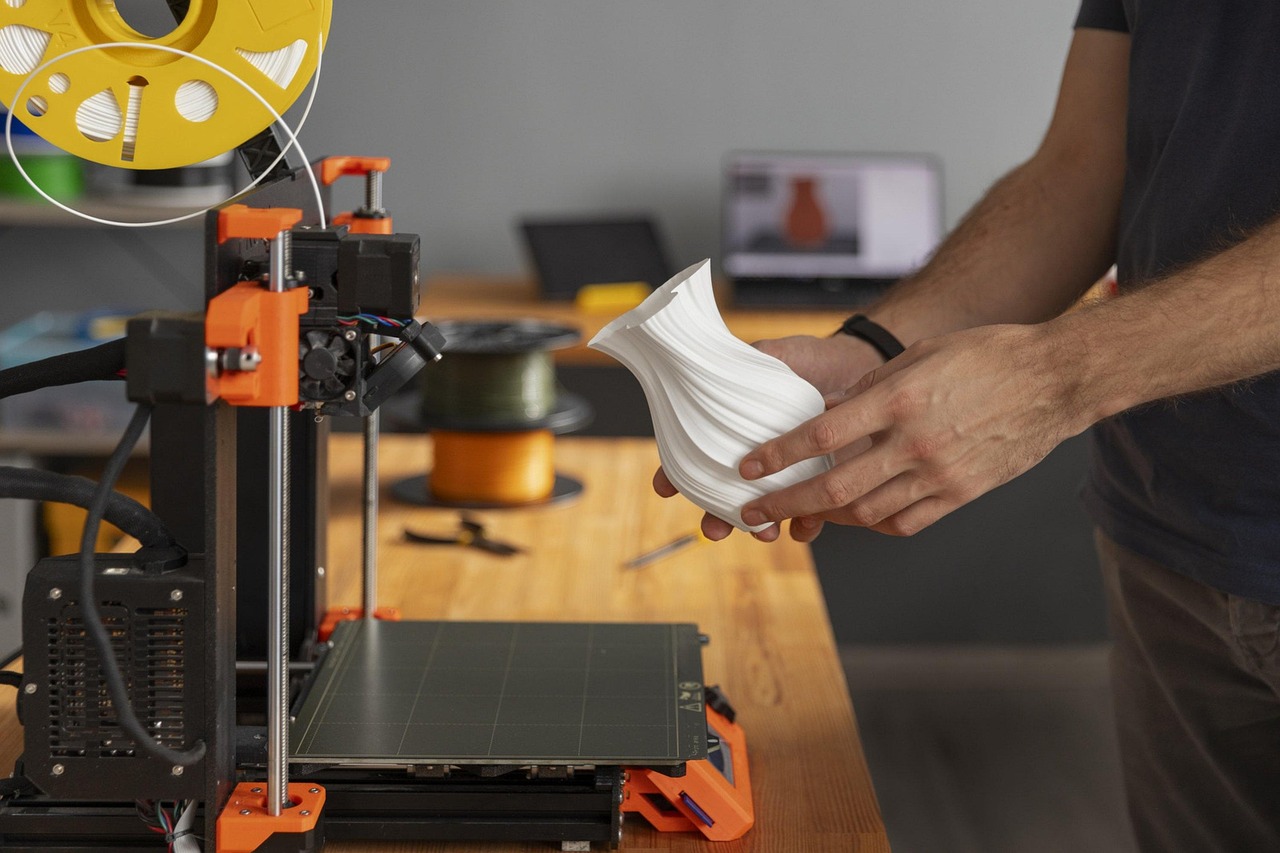
Bambu Lab has launched the P3C, a multi-tool desktop 3D printer priced at $1,149, £999 and €1,149, according to a report published on 24 November 2026 by The Verge.
The defining specification is tool count. The P3C supports seven automatically swapping tools and has slots for seven rolls of filament, giving it up to seven independent tools. A tool here is a complete extruder assembly that holds one filament and feeds it to a hot nozzle. The printer can change material mid-job and mix colours to produce much of the rainbow. It can also combine soft and hard materials within a single print.
Nozzle and filament choices are part of the same design. The nozzle is the brass tip where molten plastic exits, and its diameter controls the width of each extruded line. The P3C can mix different nozzle sizes and different filament diameters, allowing a single print to move between high-speed bulk deposition and fine detail. The machine ships with five 0.4 mm nozzles by default.
The build volume is 256 x 256 x 260 mm, which sets the largest object the printer can produce. Additional printheads for the P3C cost up to $100 each, so a configuration with two extra heads adds up to $200 to the base price.
The automated material system (AMS) has no motors to load filament automatically. That detail is easy to overlook in a spec sheet, but it defines how material changes are handled inside the machine, and buyers comparing the P3C with other multi-material systems will want to examine it closely.
Bambu Lab also introduced the larger H3C at $2,499. The Verge's report places the P3C alongside that model in the company's lineup.
In my view, the more useful question for prospective buyers is not whether seven tools are impressive on paper but what the workflow costs in calibration, purge waste (the material flushed out of the nozzle each time it switches) and maintenance. Multi-tool systems have a long history of promising more than they deliver in practice, and the reliability of tool changes over hundreds of hours will decide whether the P3C becomes a daily production instrument or a showcase. Those answers will come from owners, not launch specifications.
The broader context here is a shift in what desktop printing is for. A printer that can alternate between a flexible material and a rigid one, or between a coarse nozzle for speed and a fine one for detail, moves a home or studio machine closer to workflows that previously required several dedicated devices. If the tool-changing mechanism holds up, that flexibility lowers the barrier for prototyping functional parts that combine materials, such as a rigid frame with a soft grip. That is the optimistic reading, and it depends on execution the launch announcement cannot yet demonstrate.
For a technical audience, the P3C's significance lies in the convergence of several capabilities in a single consumer-priced platform: automated multi-material switching, mixed-nozzle printing, and a build volume of 256 x 256 x 260 mm. Each of those features has existed in some form in the market, but their combination at this price point is what the launch puts in front of buyers. Reviews and long-term owner reports will show whether the machine delivers on that combination.


