UK Agency Warns AI-Driven Attacks Are Exploiting Years of Unfixed Security Weaknesses

The UK National Cyber Security Centre (NCSC) has reported a marked rise in AI-driven cyberattacks in recent months, and says the intrusions it has seen exploit long-standing weaknesses rather than new flaws.
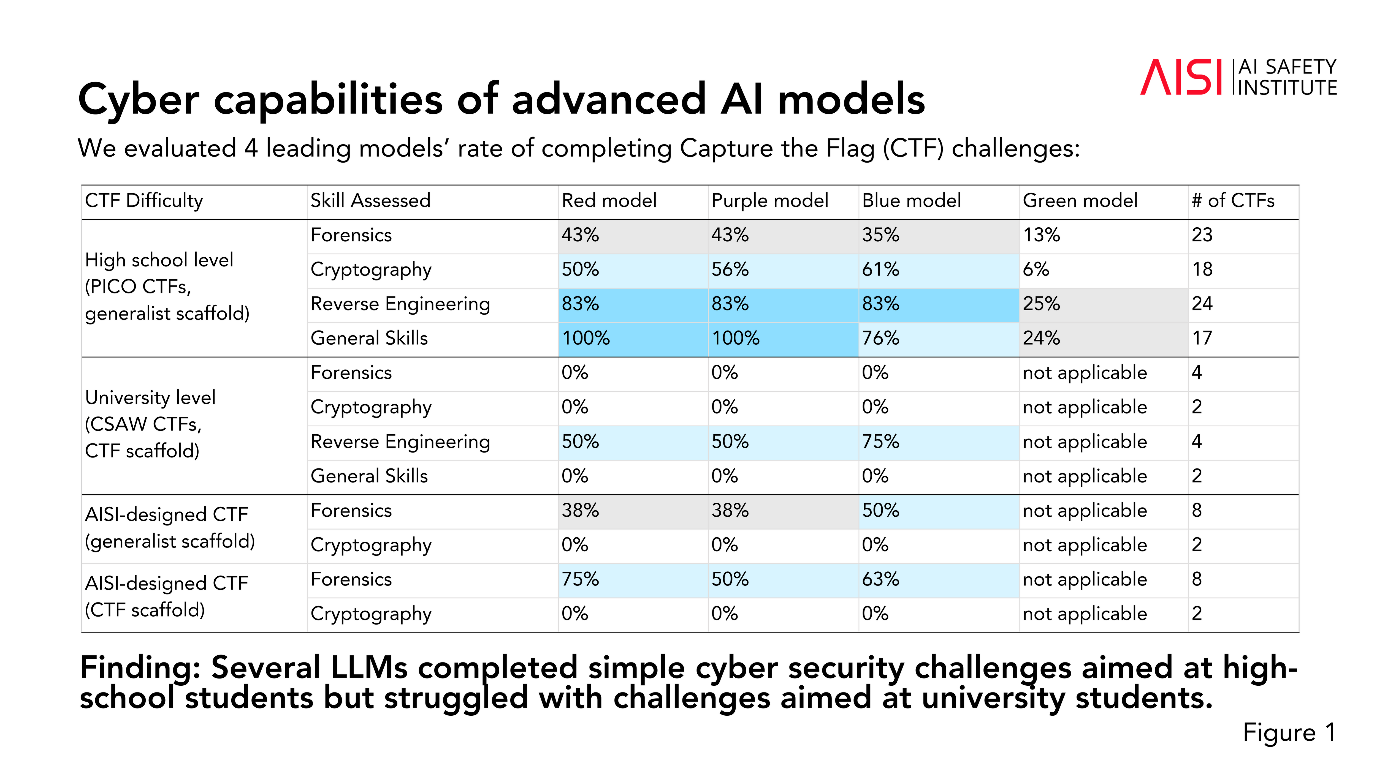
The agency said it has observed several incidents since September involving autonomous hacking tools, including penetration-testing tools (software that probes a system for weaknesses so they can be fixed, though it can be turned to attack). Those incidents led to intrusions at organizations and caused downtime.
According to the NCSC, none of the vulnerabilities being exploited are new. What has changed is the speed at which AI tools can carry out simple hacks. The agency described the issues in use as neither novel memory corruption bugs (flaws in how software manages its working memory) nor known but unpatched vulnerabilities. Instead, it characterized them as unmitigated weaknesses, often the product of years of accumulated technical debt, meaning shortcuts and deferred fixes that build up in a system over time.
The NCSC also warned that AI has made vulnerabilities easier to find and faster to exploit, so weaknesses that went unnoticed for years can now be located in minutes. It said agentic hacking tools typically scan for exposed or internet-facing systems, then work through lists of weak passwords or abuse API endpoints (the addresses through which software requests data from a service).
The tooling is not restricted to state-level actors or well-funded groups. Open-source autonomous penetration-testing tools such as Artex and Cairn were released earlier this year and can be downloaded and used at no cost. The U.S. FBI has separately warned that malicious hackers are using AI penetration-testing tools to carry out attacks at unprecedented speeds.
On the defensive side, the NCSC was direct. AI, it said, “does not make established cyber security controls obsolete,” and “building strong foundations has never mattered more.”
In my view, the NCSC's framing points to a compression of the response window rather than a change in what good security looks like. Asset inventory, exposure management, credential hygiene and authentication on developer-facing APIs are not new disciplines. What has shifted is how little time an unmanaged internet-facing service may now have before an automated tool finds it. Teams that have deferred cleaning up legacy configurations, rotating default or weak credentials, or auditing API surfaces are carrying that deferred work into a faster threat environment.
The broader context here is that the same autonomous techniques available to attackers are also available to defenders. Penetration-testing automation, run by the teams that own a system, can surface the weaknesses an adversary would otherwise find first. Whether that advantage tilts toward defenders will depend on how quickly organizations act on what those tools reveal, which is an operational question as much as a technical one.
The NCSC's message is an old one delivered on a shorter clock. The weaknesses being exploited are the familiar ones. The difference is that finding them now takes minutes, and the organizations that fix them before a tool does have the most room to act.