Andy Burnham Becomes UK Prime Minister: A First-Day Push for Stability
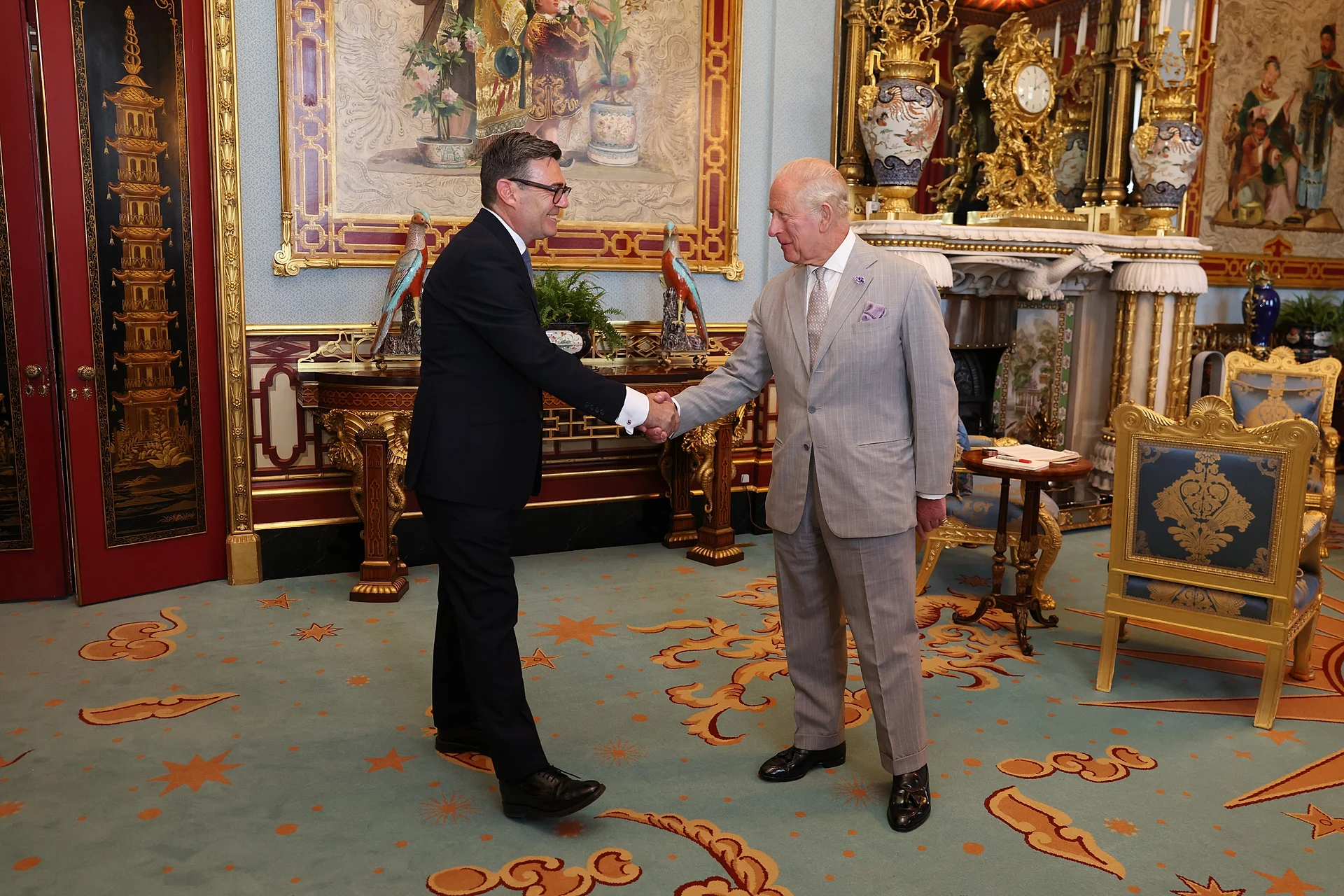
Andy Burnham was appointed Prime Minister by King Charles III at Buckingham Palace on 20 July 2026, becoming the seventh UK prime minister in ten years and the fifth in four years BBC, BBC. The handover followed Keir Starmer's final speech as prime minister, delivered the same day, in which he passed the baton to Burnham gov.uk.
Burnham then delivered his first speech as prime minister from the steps of Downing Street, notably without a lectern CNN. In it, he pledged to make politics "work better" and to end instability CNN, CNN. The address set the tone for a premiership whose central promise is governmental steadiness after a prolonged period of turnover at the top of British politics.
On the same day, Burnham moved to fill his government, appointing a new Labour cabinet BBC, BBC. The speed of the appointments, all completed on 20 July, left no gap between the handover of power and the assembly of a working government. Burnham's mandate within the Labour Party was substantial: 322 Labour MPs nominated him during the leadership contest BBC. That level of parliamentary backing gave him the political authority to choose his cabinet from a position of strength within the party rather than through negotiated compromise with competing factions.
The diplomatic calendar began immediately. Burnham held phone calls with President Trump of the United States and President Volodymyr Zelenskyy of Ukraine on 20 July, with the Prime Minister's Office and 10 Downing Street publishing readouts the same day gov.uk, gov.uk. The White House confirmed the Trump call at 16:54 BST BBC.
The sequencing of those two calls, placed on the first day, is itself a signal of diplomatic priorities. Engaging Washington and Kyiv before other counterparts places the US-UK bilateral relationship and the ongoing Ukraine conflict at the front of the new prime minister's foreign policy agenda. Whether the order reflects a deliberate hierarchy of concern or simply the logistics of leader availability is a question the readouts themselves do not answer. What is clear is that Burnham chose to make both calls public and to do so before the close of his first day in office.
Burnham's path to Downing Street is a return to national government after years in regional politics. He was first elected as the Labour MP for Leigh in June 2001 gov.uk. His route back to Westminster via the party leadership, rather than through a cabinet promotion under Starmer, meant he arrived in Downing Street with a personal mandate from the Labour parliamentary party rather than as an inherited successor.
The broader context here is the sheer velocity of turnover in the office Burnham now holds. Five prime ministers in four years, seven in ten, is a pattern that has tested the capacity of Whitehall — the UK's civil service machinery — to maintain policy continuity and has strained the UK's international credibility on consistency. Burnham's pledge to end instability speaks directly to that condition. Whether a single premiership can arrest a structural cycle of leadership churn, driven by the dynamics of party management and electoral volatility, is a question that will define his tenure. The early indicators, the same-day cabinet formation and the immediate diplomatic outreach, suggest an emphasis on projecting competence and continuity from hour one.
The international dimension deserves attention. The UK's role in supporting Ukraine, the state of the transatlantic relationship under a second Trump administration, and Burnham's own positioning on both files are now live questions. The call readouts, published promptly by Downing Street, establish a baseline for how this government intends to communicate its diplomatic engagement. The substance of those conversations, beyond the fact of their occurrence, remains in the readouts' framing rather than their detail.
What comes next will test whether the rhetoric of stability can be matched by the machinery of government. The cabinet appointments, the legislative agenda, and the first set of policy decisions on the economy, public services, and foreign affairs will reveal whether the first-day tempo was a one-off burst of activity or the opening rhythm of a premiership built on consolidation rather than disruption.


