California Braces for Flooding as Record High Tides Peak on Wednesday

Flooding was expected along the California coast on Wednesday, November 25, 2026, during a second day of record-breaking high tides on the West Coast, The Guardian reported.
The peak of the seasonal king tides, the unusually high tides that arrive at this time of year, was forecast for Wednesday morning up and down the coast. San Francisco Mayor Daniel Lurie said the tides were expected to begin at 8:30am, peak around 10:30am and fade in the early afternoon.
Santa Cruz, Monterey and Carmel-by-the-Sea announced that they would close city beaches starting Tuesday evening because of the forecast dangers. Humboldt Bay, farther north, recorded its second-highest tide on record.
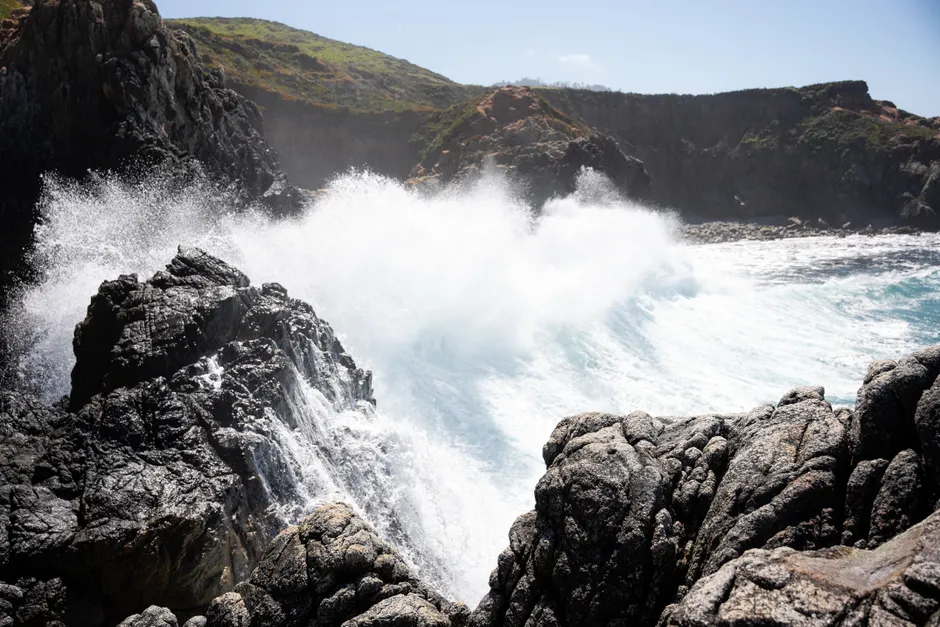
The National Weather Service warned of breaking waves of 20 to 25 feet in northern California and of dangerously large breaking waves of 20 to 30 feet in San Francisco. For the central coast between San Francisco and Los Angeles, it warned of dangerous rip currents and waves of 12 to 22 feet.
Residents in San Diego were told to expect significant flooding of low-lying roads near beaches and bays. In the San Francisco Bay Area, numerous road closures were projected because of the high tides.
Air travel was also affected in some form. San Francisco International Airport reported no flooding impacts on Tuesday, November 24. At least three airlines offered free trip changes to travelers passing through San Francisco on Wednesday.
The weather service also forecast a series of Pacific storms that would bring rain, mountain snow, gusty to high winds, coastal flooding and high surf to the West Coast into next week. Elsewhere, it forecast that a strong coastal storm would bring high winds, heavy rainfall and major coastal flooding along the East Coast into Friday. Moderate to heavy snow was forecast to accumulate over the mid-Mississippi Valley before shifting to the Appalachians.