Google Adds 15 African Languages to Voice and Text Tools, Pledges $5.8M for AI Training
Google Adds 15 African Languages to Voice and Text Tools, Pledges $5.8M for AI Training
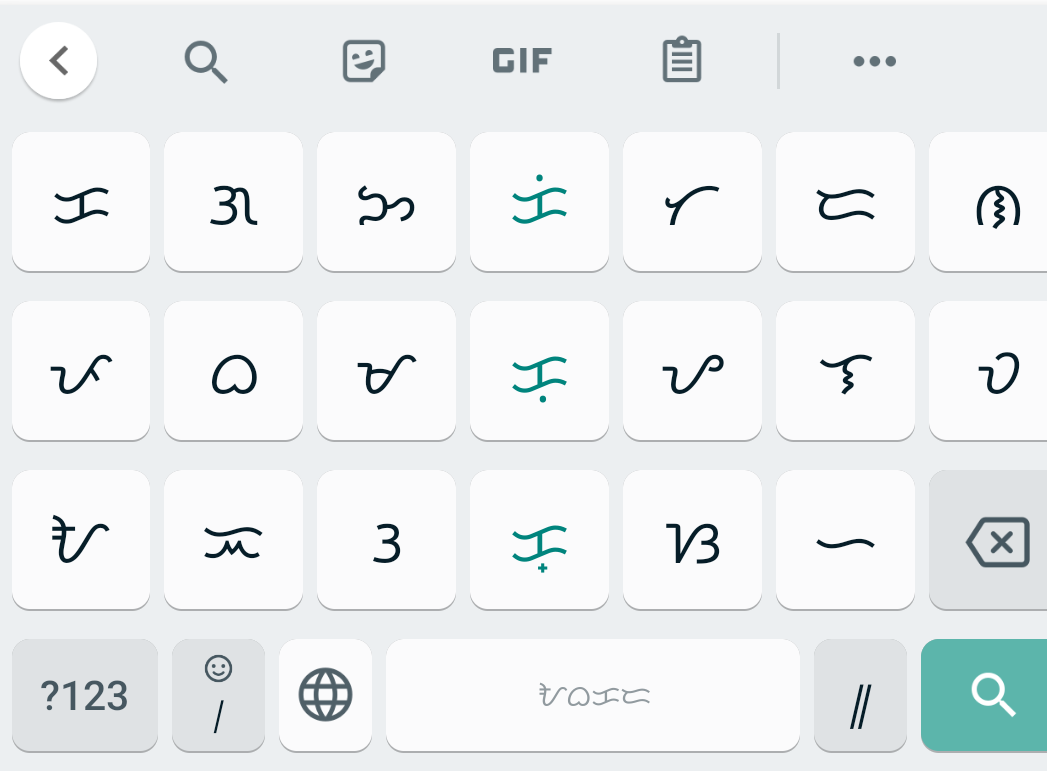
Google has expanded its voice and text input systems to support 15 African languages across Voice Search, Gboard (its keyboard app), and Google Translate. At the same time, Google.org—the company's nonprofit arm—committed $5.8 million toward AI education and skills training in Sub-Saharan Africa, according to company communications.
This effort builds on Google's work to support multiple languages globally. Gboard now handles more than 500 language varieties across 40+ different writing systems. Adding each new language means creating specialized machine learning models—essentially teaching the system to predict text and recognize speech specific to that language.
How Google Handles So Many Languages
Adding 15 African languages to these products requires significant work behind the scenes. Google builds dedicated machine learning models for each language it adds, because African languages present unique challenges: many are tonal (meaning pitch changes the meaning of words), others are morphologically complex (having many ways to modify a word's form), and some use writing systems that require special keyboard input methods.
The work spans three main products. Voice Search lets you speak a search query aloud. Gboard's talk-to-type feature converts your speech to text as you're typing in any Android app. Google Translate's dictation mode transcribes speech for real-time translation. Each one needs different model tuning—Voice Search focuses on understanding what you're searching for, while Gboard emphasizes accurate transcription across many different apps.
This infrastructure also handles other input methods. Google has worked with developers to support less common input needs, like integrating Morse code into Gboard for both iOS and Android. The system that handles those diverse input methods now also accommodates the linguistic complexity of African languages that previously had little or no support in Google's tools.
What This Means for Apps and Businesses
Organizations building applications for African markets now have access to Google's voice recognition and translation APIs without having to build their own custom speech systems. For a company, this cuts down on development time and cost significantly.
Android app developers will see better text input accuracy for their users who type in these languages. This matters most for apps focused on productivity, messaging, or business tools, where typing errors can slow people down or frustrate users.
Google has also improved how files are shared between Android devices in the same account through a feature called Nearby Share, and it updated the interface of Google Drive and Keep to work better on tablets. Combined with better language support, these changes suggest Google is building toward a fuller set of productivity tools for markets where tablets are the main computing device people use.
Building Local Expertise
The $5.8 million in education funding takes a different but complementary approach. Rather than just rolling out language features, Google is investing in training local experts in Sub-Saharan Africa to work with AI systems, including natural language processing—the technical field behind language understanding.
The broader context here is worth considering. When technology companies have successfully scaled their platforms into emerging markets in the past, the playbook has included both infrastructure investment and building local technical talent. During the growth of mobile internet in developing regions, companies that thrived were those that not only built the systems but also trained people locally to support them. This combination of expanded language features and educational investment follows a similar pattern: providing both the technology and the people who can use it well.
Machine learning models for languages with limited training data often need ongoing tweaks based on how people actually use them in the real world. These adjustments benefit from having people on the ground who understand the language and the local context in which it's used.
The Technical Evolution
Google's approach to languages has come a long way. When Google Translate started, it used statistical methods to guess translations. Today's systems use neural networks—deep learning systems inspired by how brains work—which are better at handling the grammatical complexity of many African language families.
African languages present distinct challenges depending on their families. They range from Niger-Congo languages to Afroasiatic, Nilo-Saharan, and Khoisan language groups. Tonal languages (where pitch matters for meaning) need different voice recognition approaches than languages without tones. Languages with complex word structures need special methods for breaking text into predictable chunks.
Running models for 500+ language varieties across 40+ writing systems requires a lot of computing power. Each language model needs training data, the computer resources to run it in real time, and periodic updates to keep it working well. The fact that Google can deploy these improvements across Voice Search, Gboard, and Translate at the same time shows the company has mature infrastructure that can handle the speed and volume demands of real-world use.
Why Now
Language technology based on transformer neural networks—the underlying architecture of today's AI systems—has matured enough to work reliably across many different language families, including African ones. Older language systems struggled with non-European languages, but newer approaches handle the grammatical complexity better.
From a business perspective, strong language support creates a form of lock-in: users and developers who build apps using Google's language tools gain access to continuous improvements without extra work. Organizations deploying these capabilities in African markets can rely on improving voice recognition and translation without having to develop custom systems themselves.
The timing also aligns with broader growth in African infrastructure. Submarine cables bringing internet connectivity, expanding mobile networks, and rising smartphone adoption all mean voice and translation tools become increasingly useful. As more people connect to the internet and have capable devices, the business case for language technology strengthens.
Having covered technology adoption cycles for decades, the combination of technical expansion and educational investment typically indicates a serious long-term commitment, not a trial program. Building and maintaining support for 15 new languages across multiple products requires substantial ongoing resources, and companies don't typically invest that way unless they expect sustained growth.
This also positions Google's language technology as a foundation that other developers can build on. Rather than focusing only on end users, Google is creating infrastructure that developers can rely on when building applications for African markets. That shift—from treating language support as a feature to treating it as a platform—often signals how technology companies plan to grow a market over time.


