Samsung Reportedly Adds an AI 'Vision' Mode to the Galaxy Camera App
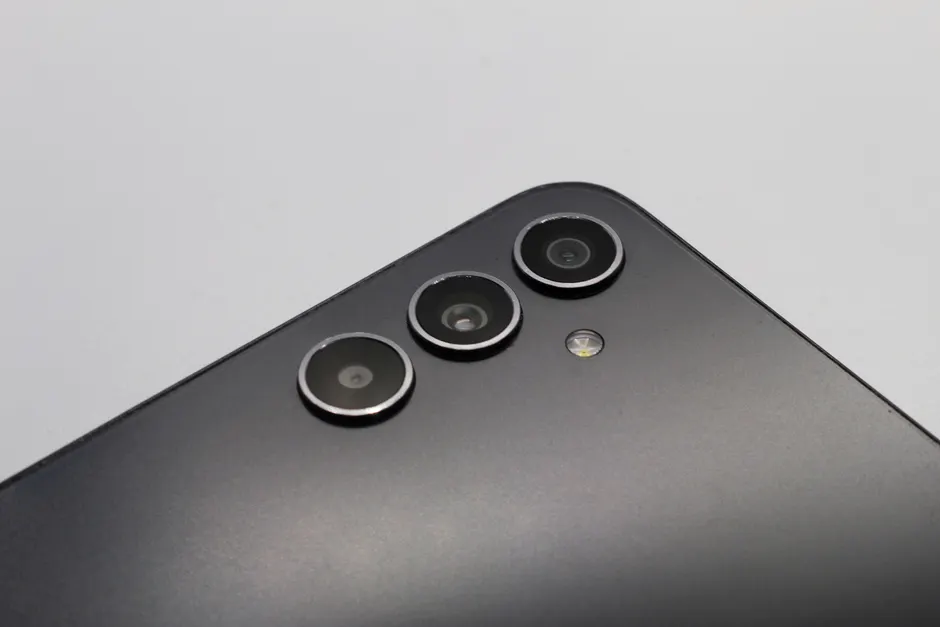
Samsung is reportedly adding a "Vision" mode to the camera app on its Galaxy phones, according to Engadget, which published the report on 27 November 2026. The mode would sit alongside the app's existing modes and let a user point the camera at something and ask an AI about it.
The report rests on code strings found in One UI 9.5 Beta 1, the early test build of Samsung's Android-based interface. Strings in a beta build indicate that work is underway, but Samsung has not announced the Vision camera feature.
According to the same report, the mode displays an AI-written summary of the scene in the viewfinder, with tappable keywords and suggested actions. It reportedly includes a text-extraction tool, an "Ask" button that sends the scene to Google's Gemini model, and a "Translate" button that sends it to Samsung's AI Vision app. If the feature launches, it would likely arrive alongside the Galaxy S27 lineup early next year.
Apple has taken a similar route. The company added a Siri mode to the Camera app in iOS 27, bringing Visual Intelligence features into the app itself. Both platforms are, in effect, moving image understanding out of a separate assistant screen and into the capture flow, so the question is asked at the moment the subject is in frame.
In my view, the most useful detail in the reported design is the split between the two buttons. "Ask" routes the captured scene to a general model, while "Translate" routes it to a dedicated Samsung application. One capture could therefore reach two different AI back ends depending on which control the user taps. That is a sensible way to separate a broad question from a narrow task, but it also means the privacy and data-handling terms of each path would matter to anyone using the feature.
The broader context here is the shift in where AI features sit. A summary with tappable keywords turns a photograph into a starting point for a task, such as reading a sign, pulling text from a printed page, or acting on a phone number on a poster. The practical benefit is fewer steps between seeing something and understanding it, particularly for text in a second language or in dense printed material.
The reported feature also raises familiar questions. Text extraction and scene description run either on the device or in the cloud, and that balance shapes much of the rest. Latency (the delay before a result appears), accuracy in low light or cluttered scenes, and the handling of captured images on Samsung and Google infrastructure are all open questions for a shipping product.
A camera that can answer questions about what it sees would be a meaningful change in how people use a phone's most-used sensor, if it ships in the form described. The next indication will likely come from Samsung's Galaxy S27 launch, where the company would need to say what the mode does, which models support it, and what runs on the device.


