Climate strain in a Guatemalan village, and the US deportation crackdown
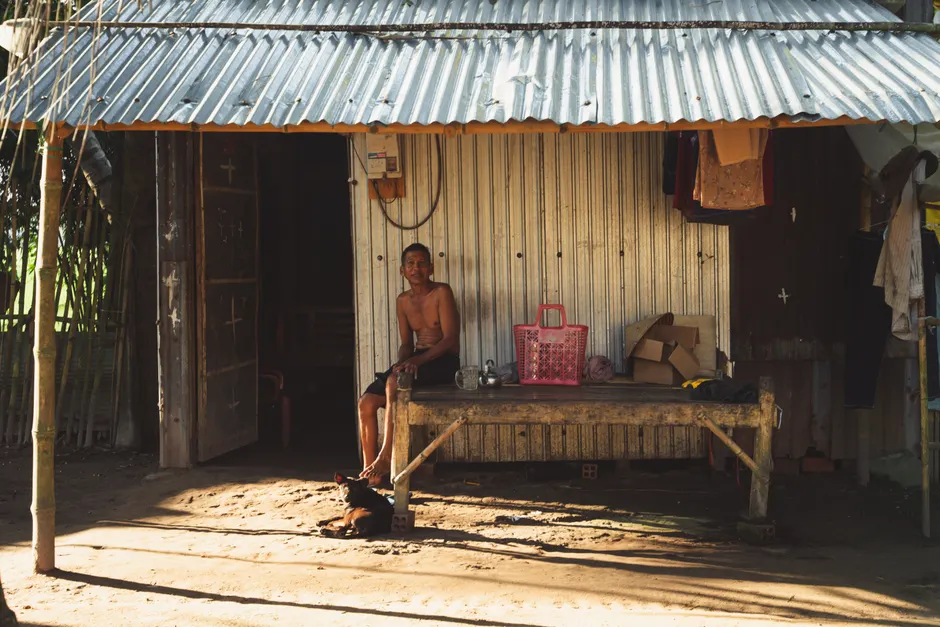
Lidia Molina, 30, is raising her two-and-a-half-year-old daughter, Karla, in Caparrosa, an Indigenous Maya Ch'orti' village in eastern Guatemala. Her village is one of many in a region where the weather has grown harder to rely on, according to The Guardian.
Caparrosa lies in what is known as the Dry Corridor, a stretch of land about 1,000 miles long that covers almost a third of Central America, from southern Mexico to Panama. The region's rainy season, which lasts six months, traditionally began in early May. Farmers have long expected a mid-season dry spell, called the canicula, during the rains.
Those patterns have become less dependable. By 2019, five years of failed harvests had left 1.2 million people in the Dry Corridor in need of emergency food aid, according to the same reporting.
Guatemala is among the 20 countries most vulnerable to climate change. The United Nations Environment Programme expects two-thirds of the country's population to face water shortages by 2050.
Guatemala has a population of about 19 million, and Indigenous peoples make up nearly half of it. The country passed a climate change framework law, a piece of legislation that sets out broad goals and principles, in 2013. It was the second country in the Americas, after Mexico, to pass explicit climate legislation.
Donald Trump, in his second term as US president, has ramped up deportations of migrants, many of whom had lived and paid taxes in the United States for years. Those deportations are part of the same story as the climate pressures in Guatemala's rural regions.


