Water Cannons at Meta's Delhi Offices as Congress Youth Wing Protests Account Restrictions
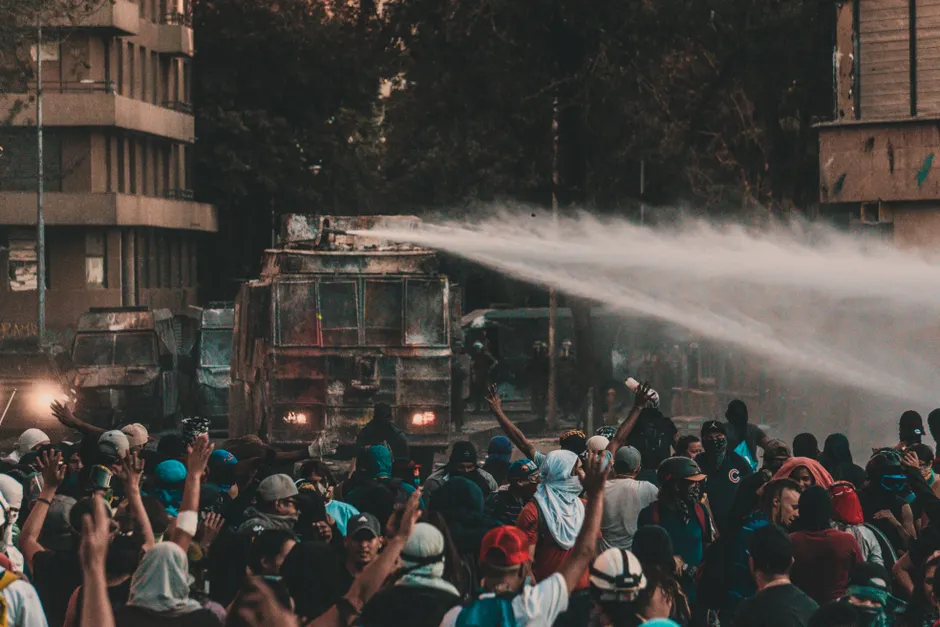
Haryana police reportedly turned water cannons on Congress party protesters outside Meta's offices in India, The Verge reported on 28 November 2026. The protesters were from the party's youth wing.
The youth wing accuses Meta of bowing to pressure from Prime Minister Narendra Modi's Bharatiya Janata Party and of censoring Congress party accounts. Protesters allegedly breached Meta's offices in Delhi, demanding that the accounts of party leaders be reinstated.
Manu Jain, a youth wing representative, said thousands of accounts remain restricted, even though some have been reinstated. The gap between partial and full restoration is the crux of that claim. Reinstating a fraction of the affected accounts leaves most of the dispute unresolved and leaves Meta's enforcement record open to challenge.
The Congress party has filed a suit against Meta and the Indian government. According to the filing, India's rules on the removal of unlawful content, meaning government orders requiring platforms to take posts or accounts offline, have become a tool for suppressing lawful political expression. The argument targets the legal mechanism that produces takedowns as much as any single decision, shifting the question from one enforcement action to the framework behind many of them.
In my view, the central issue predates this protest. A platform operating in India sits between government removal requirements and users' political speech. How those restrictions are applied, reviewed and reversed determines whether a dispute like this is settled through a review process or a courtroom, or whether it escalates into confrontation at a company's office. Each outcome depends on the same machinery: content classification, appeal queues, and a log of which accounts were restricted and under which rule.
The broader context here is that the protest, the lawsuit and the account counts all turn on one unanswered question. Which accounts were restricted under which rule, and how quickly can each be restored? Clear criteria, auditable appeal logs and restoration workflows that work at the scale of thousands of accounts could make reinstatement routine rather than contested. Whether platforms can build those tools into enforcement, and whether the courts and the government accept them as sufficient, is the thread to watch as the suit proceeds.