Samsung Galaxy SmartTag3 Claims Triple the Detection Range, With Caveats
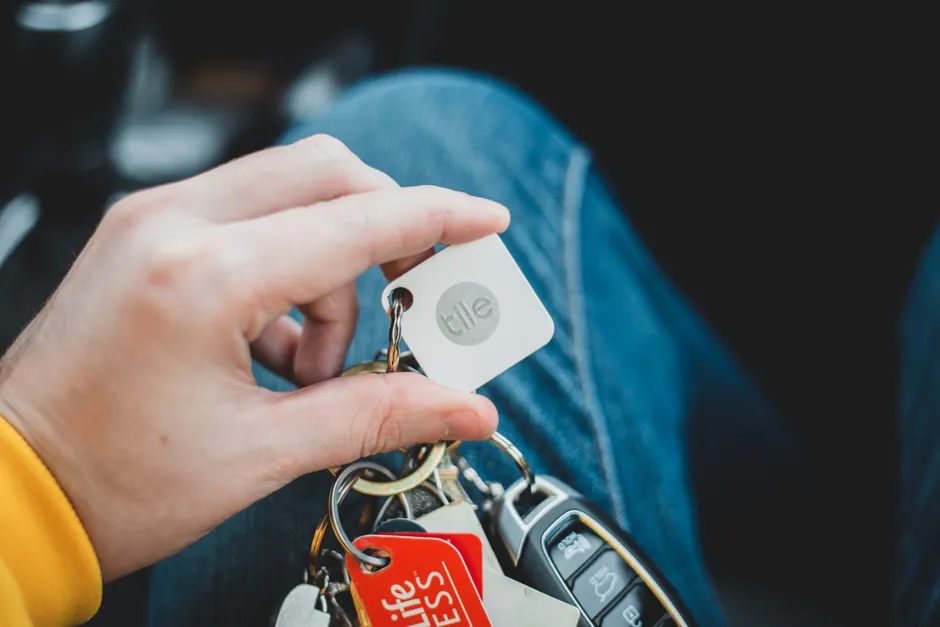
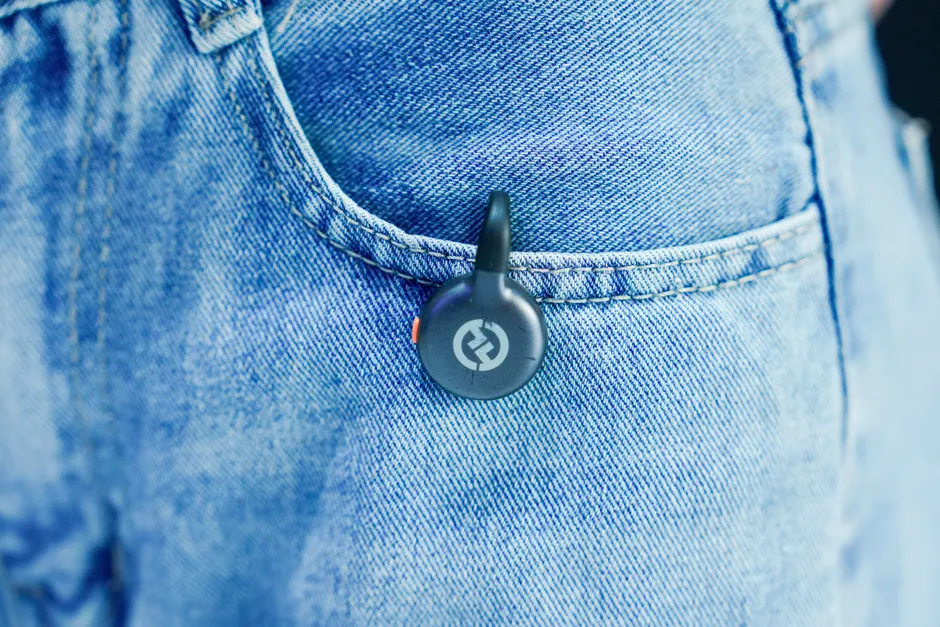
Samsung has released the Galaxy SmartTag3, a third-generation tracker that the company says can be detected roughly three times farther than previous generations, using Bluetooth and ultrawideband (UWB, a radio technique that measures distance precisely over a wide band of frequencies). The tag is smaller than its predecessors and replaces the oblong body of earlier models with a rounded-square shape. Samsung has sold SmartTags since 2021.
The range claims are the main technical change. According to Engadget, Bluetooth 6.0 Channel Sounding, a feature that estimates distance by timing radio signals between two devices, allows the SmartTag3 Compass View feature to provide distance and directional guidance from around 200 feet away. Over a standard Bluetooth LE connection, signal strength can be checked and settings adjusted from up to 400 feet away. Both figures are best-case, assuming direct line of sight. Walls, furniture and other electronic devices shorten the range. The extended Compass View range also requires a compatible Galaxy device, so owners without one get the shorter Bluetooth LE reach.
Location works differently from what the form factor might suggest. The SmartTag3, like earlier SmartTag models, is not a GPS tracker. It has no positioning hardware that reports its own coordinates. Instead, it relies on a Bluetooth link to a nearby phone and on a crowd-sourced network. Samsung says the Galaxy Find Network includes more than 900 million participating Galaxy devices worldwide that can detect a nearby tag and relay its location. When a nearby Galaxy device with internet, Bluetooth and GPS turned on picks up the tag, the location is sent to the cloud and can be viewed in the SmartThings Find app.
That architecture has a practical consequence. A tag's last known position is only as fresh as the most recent passing participating device, so the Find Network is strongest where Galaxy handsets are dense and weakest in rural areas, underground car parks or buildings where few owners carry one. The range figures and the network figure answer different questions. UWB and Channel Sounding determine how precisely a person can home in on a tag once within reach. The 900 million devices determine whether the tag gets reported at all.
The broader context here is that the same mechanism that finds a lost bag also means a stranger's phone can relay the location of a tag hidden in someone else's belongings. Any tracker that a passing device can locate raises questions about who can see that location and under what conditions. Samsung's description of the product does not resolve those questions, and they deserve weighing alongside the range numbers.
In my view, the more practical change for most owners is the directional guidance. A tag that can be followed with a compass-style arrow from around 200 feet away turns a vague “somewhere in the house” into a search with a bearing and a distance. Whether that works as well in a cluttered home as in a showroom will depend on the environment, which is why the qualifications attached to the range figures deserve as much attention as the headline numbers. The smaller form factor matters too, since a lower-profile tag is easier to attach to keys, bags and luggage without adding bulk.
For engineers and product teams, the SmartTag3 is a useful case study in how consumer trackers are moving beyond simple Bluetooth proximity. Adding Channel Sounding and UWB gives the device a ranging capability that a basic beacon lacks, while the Find Network continues to supply location through a crowd of existing hardware. Hybrid designs like this one trade the precision and cost of a dedicated radio network against the reach of a network that already exists in users' pockets.