Pakistan's Donkey Trade Strains Rural Livelihoods in Balochistan

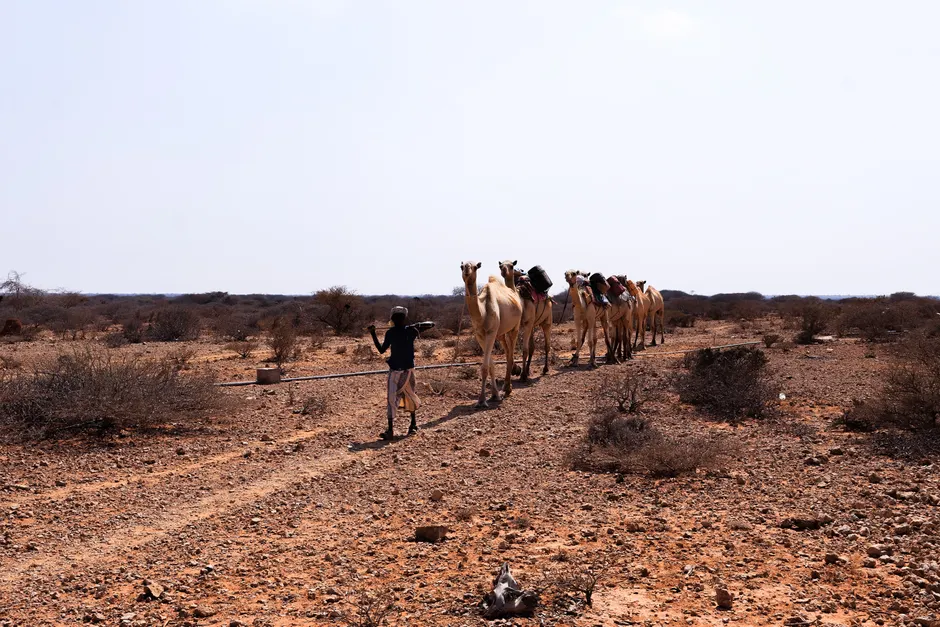
Donkeys that many low-income families in Pakistan's Balochistan province rely on for transport and income are increasingly being bought up by traders, a trend that Al Jazeera reported on 29 November 2026 is putting rural livelihoods at risk.
Muhammad Noor, a resident of Kulahu near Tump, sold his two donkeys in July to pay for urgent surgery for his wife's failing eyesight. He sold the stronger male for 75,000 rupees ($270) and the female for 44,000 rupees ($158). A good working donkey in Balochistan now costs 100,000 rupees ($360) or more.
Jumma Baloch lost his only working donkey about a month before the report was published. It was stolen while tied outside his home in Chahsar, on the outskirts of Turbat.
The trade has a visible chain of middlemen. In Kech district, traders buy stray and underweight donkeys from villages in Dasht for 4,000 to 5,000 rupees ($14 to $18), then resell them in Turbat for 8,000 to 10,000 rupees ($28 to $36). A trader in Dannuk told the outlet that a donkey bought locally for 4,000 rupees can fetch about 15,000 rupees ($54) after reaching intermediaries in Gwadar.
Much of the demand comes from outside the region. Ejiao is a traditional Chinese medicine made by boiling donkey hides to extract gelatin. A 2024 study in the Journal of Contemporary China estimated that the ejiao industry needs between four and five million donkey hides a year.
The animals are not only a rural asset. According to the report, donkeys are also used for waste collection and disposal in Quetta and Karachi, and they provide transport and income for low-income families across rural Balochistan.