Google Adds Gemini AI to Cars: What You Need to Know

Google Adds Gemini AI to Cars: What You Need to Know
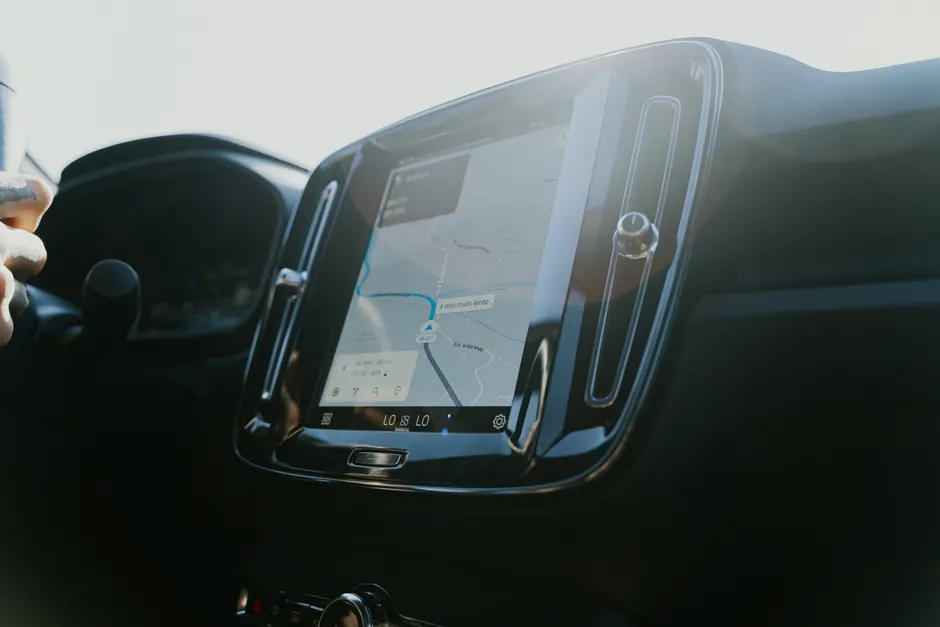
Google has announced that its Gemini AI assistant will be built into vehicles running Android Automotive OS, the company's operating system designed specifically for car infotainment systems. The goal is to let drivers interact with AI directly through their car's dashboard — using voice and touch — without needing to pull out a phone.
More Than Just a Voice Command System
The Gemini integration in Android Automotive OS does more than recognize spoken commands. Google's blog post suggests the AI will be woven directly into the vehicle's core systems, meaning it can access vehicle controls, apps, navigation, and data stored in Google accounts all from one place.
This is different from Android Auto, the system that mirrors your phone's screen on your car's dashboard. With Gemini in Android Automotive OS, the AI lives permanently in the car itself. It can check the fuel tank, adjust the cabin temperature, plot a route while checking the battery level in an electric vehicle, or suggest a charging stop based on your calendar and remaining range — all without a phone connected.
Think of it as the difference between a visiting expert who relies on your phone to work versus a resident consultant with direct access to your home's systems.
Safety First in the Driver's Seat
Google has designed this version of Gemini with a hard emphasis on keeping drivers' attention on the road. The system uses voice-based responses and avoids forcing you to look at a screen, since checking your phone or a dashboard screen at highway speeds is how accidents happen.
The automotive industry faces real constraints here. Unlike AI assistants on your phone or laptop, a car-based system must account for the fact that the person interacting with it is operating heavy machinery. Long, back-and-forth conversations that distract a driver are a liability and a safety risk. So the automotive Gemini is built for quick, focused tasks: "Navigate to the nearest charger" or "Set the cabin to 72 degrees," rather than extended chat.
Android Automotive OS Is Growing
Google built-in — the official name for Android Automotive OS inside vehicles — already runs in cars from Volvo, Polestar, General Motors, and Renault. Adding Gemini makes Google's automotive platform stronger when stacked against Apple's CarPlay and the proprietary systems some automakers build themselves.
One advantage: Gemini can work even if your phone isn't connected or you have weak cellular signal. That's a real selling point in areas with poor connectivity, and it's one reason automakers are increasingly interested in platforms like Android Automotive OS rather than building everything themselves.
The timing makes sense. The car industry is shifting toward "software-defined vehicles" — cars that get updated over the internet, not in a service bay — and automakers see smarter AI assistants as a way to differentiate their products and keep customers engaged.
What This Means for AI in Cars
This is part of a larger pattern. When smartphones took off, AI gradually moved from cloud servers to your phone itself. The same thing is starting to happen in cars. Cloud computing is still necessary for complex tasks, but the car needs local AI smarts for safety-critical functions and to work when connectivity drops.
The automotive environment has unique demands. Your car may lose signal in a tunnel or a rural area. It can't afford to wait for a response from a distant server if it needs to control safety systems. So the solution involves a hybrid approach: basic AI runs locally on the car's own hardware, while more complex requests still reach Google's servers when there's a strong connection.
The broader context here is that Android Automotive OS, which started as a promising but niche platform, is becoming a more complete alternative to proprietary automotive operating systems. Adding AI capability at this scale signals that Google sees a sustained market for native automotive software.
There is a real question worth examining: what happens to your data when the car is collecting information about where you drive, how long you drive, when you charge, what temperature you prefer, and how you talk to your AI. Gemini will have access to all of this. The EU and other regions have strong data protection laws, and the automotive industry's approach to data collection is still being shaped by regulators and lawsuits. This is an area to watch.
How This Actually Works
The technical side involves splitting the workload. Modern cars have grown more powerful computers, but they can't match the raw processing power of Google's data centers. So the most likely architecture is that basic functions — navigation, climate control, simple requests — run on the car itself. Harder tasks, like answering a complex question or accessing recent information, route through Google's servers.
Connecting Gemini to the car's actual controls — the steering wheel buttons, the windshield wipers, the seat warmers — requires Google to integrate with the software interfaces that automakers have already built or are building. These aren't always standardized, so there's real engineering work involved to make Gemini talk to Volvo's system the same way it talks to General Motors' system.
The Competitive Picture
Google is not alone in this space. Amazon has been pushing Alexa into cars for years. Apple continues to expand what CarPlay can do. And traditional suppliers like Bosch and Continental are developing their own AI-based dashboards.
For automakers, it boils down to a choice: adopt a ready-made platform like Android Automotive OS with Gemini built in, or spend years and significant money building their own AI assistant. Given how complex modern cars have become, most would rather use something Google has already built and maintains. But choosing Google also means accepting that Google will have access to a lot of data about how you use the car.
The announcement reflects where the car industry actually is right now. Most automakers don't have the in-house talent to build competitive AI systems from scratch. Platforms like Android Automotive OS offer a faster, cheaper path to having a modern infotainment system. Whether Gemini succeeds in cars will probably shape how other tech companies and automakers approach AI in vehicles over the next few years.