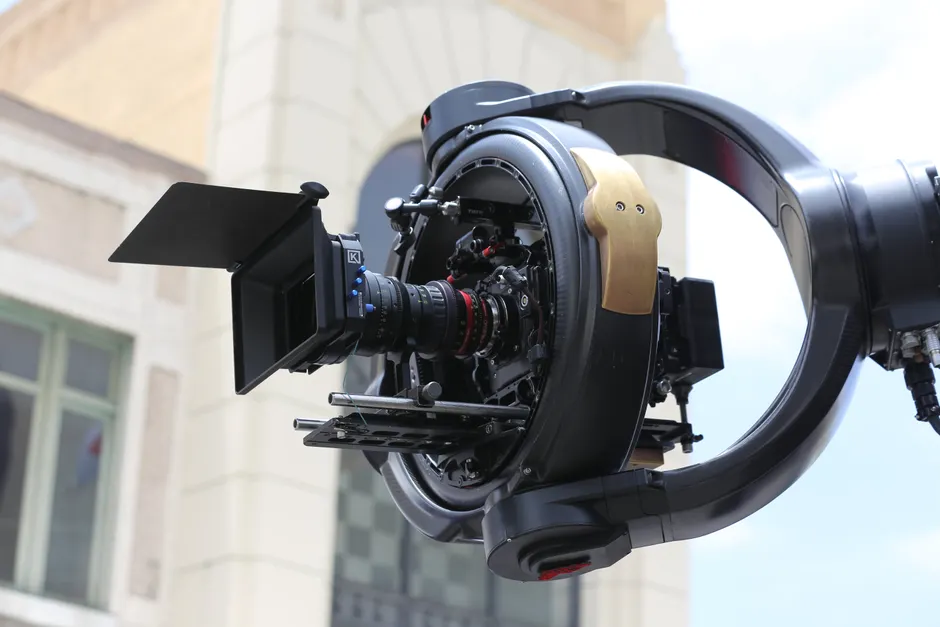
Canon EOS R6 V: A New Video Camera Built for Content Creators

Canon EOS R6 V: A New Video Camera Built for Content Creators
Canon has released the EOS R6 V, a video-focused version of its popular full-frame mirrorless camera. The new model can record 7K RAW video at up to 29.97 frames per second and shoot still photos at 40 frames per second continuously — both significant steps up from the original R6 that Canon announced on July 9, 2020.
The R6 V is designed specifically for video creators and filmmakers, whereas the original R6 was aimed more broadly at photography enthusiasts. Where the first R6 topped out at 4K video and 20 fps still shooting, the R6 V extends those specs substantially to appeal to people who need professional-grade recording capability without the flagship-level price tag.
What the Video Features Mean
The 7K RAW recording is the headline upgrade. RAW video captures the full information the sensor sees before any processing — think of it like getting the negatives from a film camera rather than pre-printed photos. This gives video editors much more freedom to adjust color, brightness, and contrast in post-production.
The R6 V also builds on the original R6's oversampled 5K approach: the camera records at a higher resolution internally, then shrinks it down to create cleaner 4K output. This technique reduces artifacts and sharpens fine detail, and it's become standard in professional video work.
Autofocus and Stabilization
The R6 V adds Register People Priority, which can track up to ten human subjects in the frame at once. This matters most for event videographers and documentary filmmakers who need to keep multiple people in focus as they move around — reducing the amount of manual focus adjustment in post-production.
The in-body image stabilizer now delivers 7.5 stops of correction, meaning handheld video remains steady even in low light or when using longer lenses. The original R6 already had good stabilization for its time; the V extends that advantage.
Speed and Battery
The camera can shoot 40 frames per second with the electronic shutter — twice the original R6's 20 fps — while maintaining the 12 fps mechanical shutter speed. The high electronic speed matters mainly for video work and for still photography situations where you need to capture a lot of frames quickly.
Battery and card slot design stay the same: the R6 V uses the same LP-E6N and LP-E6NH batteries as earlier Canon cameras, and it has dual SD card slots for backup redundancy during critical shoots.
The Sensor Underneath
The R6 V appears to use the same base sensor as the original R6, which itself came from Canon's flagship EOS-1DX Mark III. This sensor handles high-sensitivity shooting well, with native ISO range from 100 to 102,400. The main difference is that Canon has optimized the processing software to prioritize video workflows rather than still photography.
The broader context here is worth noting: we saw this pattern before when Canon moved from film to digital SLRs in the early 2000s. Rather than replacing an entire product line, manufacturers now create targeted variants. The R6 V takes a proven camera platform and specializes it for a specific audience — in this case, serious video makers — rather than designing something entirely from scratch.
What This Means for Video Workflows
The 7K RAW option opens up professional-grade post-production work: filmmakers can color grade and adjust exposure far more aggressively than they could with compressed video formats, since RAW preserves more of what the sensor captured. For heavy-duty color correction or footage that will be modified significantly, this is valuable.
The 40 fps still shooting addresses a real hybrid need. Documentary crews and event videographers often pull high-quality still images directly from video footage for stills coverage. Higher frame rates give them more options to choose the exact moment they want.
The multi-subject tracking feature speaks directly to multicamera scenarios — say, an interview where one person is talking and the camera needs to keep them in focus as they gesture and move. It cuts down on tedious focus adjustment in the editing room.
By extending the R6 platform rather than launching an entirely new product line, Canon is making a practical bet: there is a growing audience of advanced content creators who need video tools that rival professional cameras but don't want to pay professional-camera prices. The R6 V slots into that gap, building on an existing ecosystem — RF lenses, batteries, accessories — that R6 owners already own or are familiar with.
A Note on Timing and Market Position
Canon faced delays getting the original R6 to market, with the announcement pushed to July 2020 and shipment landing in Q3 that year. The company released the R5 and R6 alongside six new lenses and two teleconverters, establishing the RF mount ecosystem that the R6 V now relies on.
Since 2020, the camera market has shifted. Video-capable full-frame mirrorless cameras have become more specialized and more capable. The R6 V's 7K RAW recording was still rare when the original R6 launched; now it represents where the mid-tier professional market is heading.