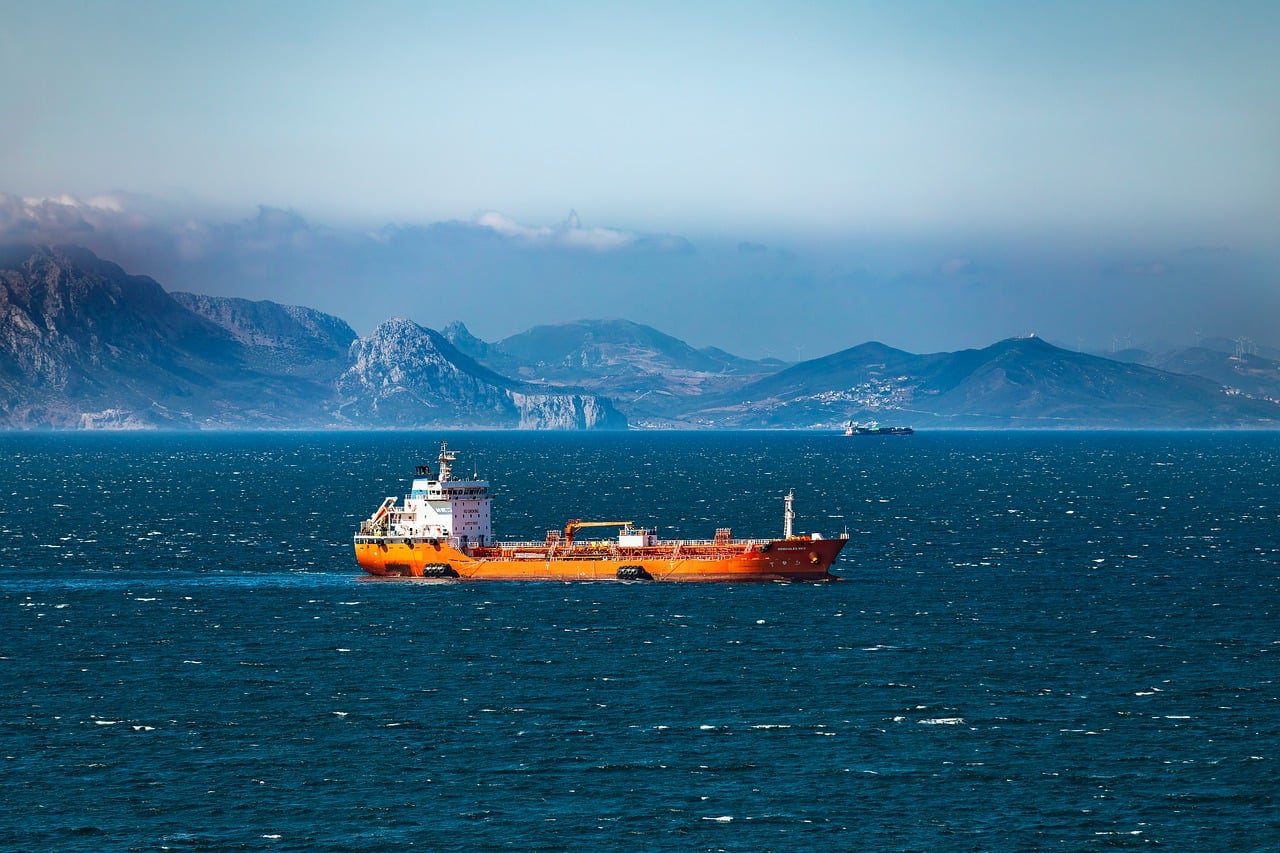
Oil Hits a Six-Week High as the U.S.-Iran Ceasefire Falls Apart

Oil futures climbed to a six-week high in early Asian trade on July 22, 2026, as the U.S. and Iran exchanged strikes and a ceasefire that had briefly steadied markets kept unraveling. Reuters reported the move, pointing to mounting threats to energy shipping through critical Middle Eastern chokepoints.
The Wall Street Journal, timestamped around 2332 GMT on July 22, confirmed that Brent crude futures (the benchmark for oil priced in Europe and Asia) advanced as concerns over supply disruptions deepened. The Journal noted that analysts now consider the U.S.-Iran ceasefire agreement to have effectively faded, a sharp reversal from just two weeks earlier, when the same publication reported that a truce had bolstered investor appetite. WSJ
The timeline of the unraveling is tightly compressed. The U.S. and Israel went to war with Iran at the end of February 2026, according to Reuters. At the war's outset, analysts predicted crude could hit $200 a barrel. That did not happen, but the trajectory has shifted sharply upward in July.
On July 7, crude settled nearly 5% higher after President Trump threatened fresh strikes and the truce began buckling. Reuters Two days later, the New York Times reported that consecutive U.S. strikes signaled a sharp escalation, showing that Iran's civilian infrastructure was vulnerable and that the U.S. military retained capacity for further action if Tehran continued to escalate. NYT Around July 10, Iran vowed to turn the region into "hell" if the U.S. continued to threaten the Strait of Hormuz.
The situation intensified further around July 12, when the U.S. said it would blockade the entire Iranian coastline. Brent crude futures settled up $7.29, or 9.59%, to $83.30 that session. Reuters By July 16, oil prices settled about 1% lower but held near their highest levels since mid-June. Reuters The same day, Reuters reported that Trump had ramped up U.S. air strikes as the ceasefire unraveled, and that analysts doubted the increased attacks would push Tehran toward concessions.
Brent topped $90 on July 19 as U.S.-Iran attacks escalated. Bloomberg By July 21, Bloomberg reported that Red Sea threats had put oil traders on alert, broadening the risk picture beyond the Strait of Hormuz. Bloomberg
CNN reported on July 20 that the renewed U.S.-Iran conflict was escalating and threatening to spin out of control. CNN The U.S. State Department issued a global travel warning on July 22, citing risks to Americans and diplomatic sites amid rising tensions. The Hill
The supply-side response is already visible in physical markets. Bloomberg reported on July 14 that at least 11 million barrels of U.S. crude were sold to Asian buyers late on a Tuesday, with more deals possibly following, as the Iran war intensified. Bloomberg Asian refiners are front-loading cargoes from non-Gulf sources, hedging against the possibility that Strait of Hormuz transit becomes unreliable or uninsurable.
The macro transmission channel is tightening in parallel. Bloomberg reported on July 16 that U.S.-Iran escalation was pushing oil higher, raising Strait of Hormuz risks, and lifting rate-hike bets. Bloomberg
The broader context here is what sustained $90-plus oil does to the wider economy. An oil price at or above $90 feeds directly into headline CPI (the consumer price index, a broad measure of inflation) through gasoline and diesel costs. At these levels, it begins to alter the calculus for central banks that had been pricing in disinflation, the gradual cooling of price increases. For bond markets, the risk is twofold: higher term premiums, meaning investors demand more yield to hold longer-dated debt amid fiscal and geopolitical uncertainty, and a renewed inflation impulse that could delay or reverse the rate-cut path that many central banks had been charting.
The critical variable for portfolio positioning is whether the Strait of Hormuz disruption moves from threat to reality. Roughly 20% of global oil supply transits that waterway. A blockade or sustained Iranian interference would push Brent well beyond current levels, potentially toward the $200 forecasts that seemed alarmist in February. The fact that Brent has already climbed from the low-$70s in late June to above $90 in three weeks reflects a market re-pricing tail risk, the small-but-growing chance of an extreme outcome, that was previously discounted.
The earlier choppy trading described by WSJ on June 23, when Brent sat at $73.04 amid "mixed signals from U.S.-Iran talks on ending the conflict," now looks like the calm before a decisive leg higher. WSJ The signals are no longer mixed. They are unambiguously pointing toward escalation, and oil is responding accordingly.