Trump's 50% Tariffs on Canada: A Trade Dispute on Uncharted Legal Ground
President Donald Trump has imposed 50% tariffs on $20 billion worth of Canadian goods entering the United States, using three formal presidential proclamations issued under Section 338 of the Trade Act of 1930 — a provision that had never been invoked before. The tariffs cover products ranging from wine to hockey sticks and are set to take effect in August 2026, according to BBC News.
Each of the three proclamations targets a distinct trade dispute: dairy, motor vehicles, and alcohol. Together, they form the most aggressive unilateral tariff action against Canada in modern trade history. The White House fact sheet states that each proclamation imposes a 50% tariff — meaning a tax equal to 50% of the product's value — on a different set of Canadian imports, including beer, wine, dairy products, and sporting goods.
Dairy: The Supply Management Fight
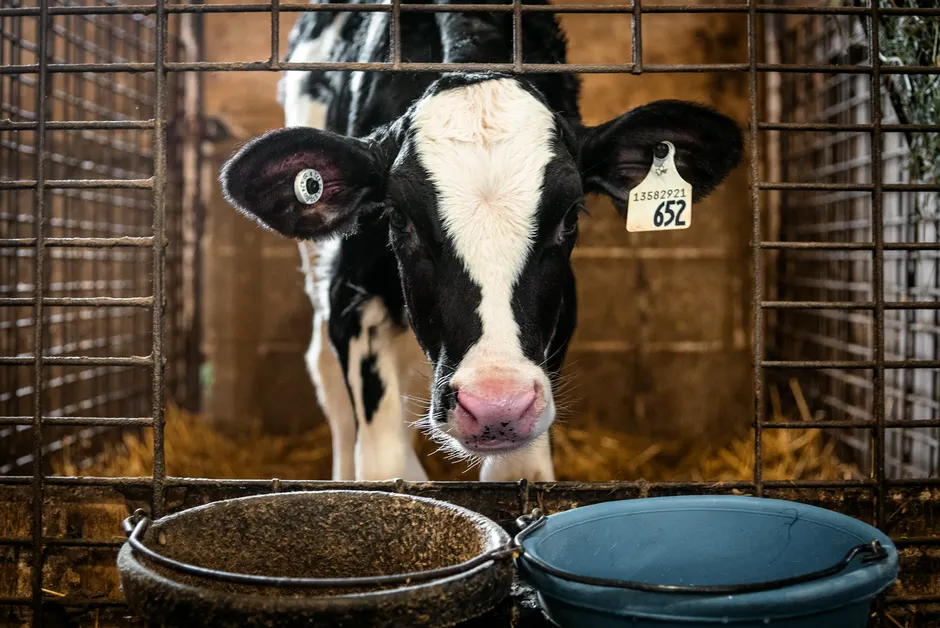
The dairy proclamation centers on Canada's supply management system, which has governed the country's dairy, egg, and poultry sectors since the early 1970s. The system uses production quotas (limits on how much farmers can produce), government-set prices, and import quotas (caps on how much foreign product can enter duty-free). Foreign dairy imports that exceed Canada's quota limits face tariffs of 200% to nearly 300%. US dairy producers currently have tariff-free access to only 3.5% of Canada's dairy market through a system called Tariff Rate Quotas, as outlined in the dairy proclamation. Trump described the system as "unreasonable" to American farmers seeking to sell their products in Canada, as reported by BBC News.
The proclamation specifies the 50% tariff on milk and cream (concentrated or sweetened) and dairy products of natural milk constituents. It frames Canada's administration of its tariff rate quotas as discriminatory against US commerce. Washington has also criticized Canada's supply-managed poultry and egg sectors, citing production quotas and tariff rate quotas that limit US access, as detailed in a Reuters overview published in late June.
Motor Vehicles and Electricity
The motor-vehicles proclamation addresses Canada's 25% tariff on US motor vehicle imports that do not qualify for preferential duty-free treatment, a measure Canada has maintained since April 9, 2025, according to the proclamation text. Trump has also posted on Truth Social about Ontario's 25% tariff on electricity exports to the United States, stating he instructed the Secretary of Commerce to add an additional tariff in response. In another Truth Social post, Trump claimed Canada has charged American farmers "as much as 400%" in tariffs, referencing dairy trade barriers.
Canada's Response
Canada purchased $1.3 billion worth of US dairy products in 2025, according to US Department of Agriculture data cited by BBC News. Canadian officials have drawn hard lines on the supply management question. Quebec Premier Christine Fréchette stated that supply management is non-negotiable. Trade Minister Dominic LeBlanc told the BBC that the system is "a cornerstone of Canada's economy and rural communities."
Canadian official Mark Carney said he will intensify trade talks with Trump following the tariff announcement, according to Reuters. The Associated Press reports that Canada faces the risk of a broader trade war as a result of the tariff action.
Why Section 338 Matters
The use of Section 338 is the structural element that sets this apart from a routine tariff dispute. The provision authorizes the president to impose duties when a foreign country's trade practices are found to discriminate against US commerce. But its scope and procedural requirements have been the subject of limited legal scholarship precisely because no prior administration tested it. The first-known invocation means there is no administrative precedent, no judicial interpretation, and no established roadmap for how a trading partner might mount a challenge under existing trade agreements.
The broader context here is that legal questions about whether Section 338's authority survives US obligations under the USMCA — the trade agreement that replaced NAFTA — and whether the proclamations' framing of Canadian practices as "discrimination" meets the statutory threshold, will likely define the next phase of this dispute.
The tariff package also lands at a moment when the USMCA's scheduled review is approaching, meaning these Section 338 actions could become leverage points in a renegotiation context rather than standalone punitive measures. The three areas Trump selected — dairy, autos, and alcohol — map onto sectors where Canadian policy is politically sensitive domestically, which narrows Ottawa's room for concessions without fracturing provincial consensus. The combination of a novel legal instrument, an August implementation deadline, and a Canadian government that has declared supply management non-negotiable leaves a narrow corridor for a negotiated resolution before the tariffs take effect.